In Brief
Kyiv has proposed that the European Union consider transporting oil through Ukrainian infrastructure instead of supplies via the "Druzhba" pipeline, Suspilne reports, citing diplomatic sources. The document mentioned by European Pravda also includes the "Odesa — Brody" route.
"Kyiv has proposed that the EU consider transporting oil through the appropriate Ukrainian infrastructure."
— Suspilne, citing diplomatic sources
Neighbors' position: why the proposal surfaced now
The initiative came amid rising tensions after damage to an asset related to the "Druzhba" pipeline on 27 January. In response, Hungary and Slovakia took measures Kyiv views as political pressure: on 18 February — stopping diesel exports to Ukraine; at the end of February — blocking a preferential loan of €90 billion at the last moment.
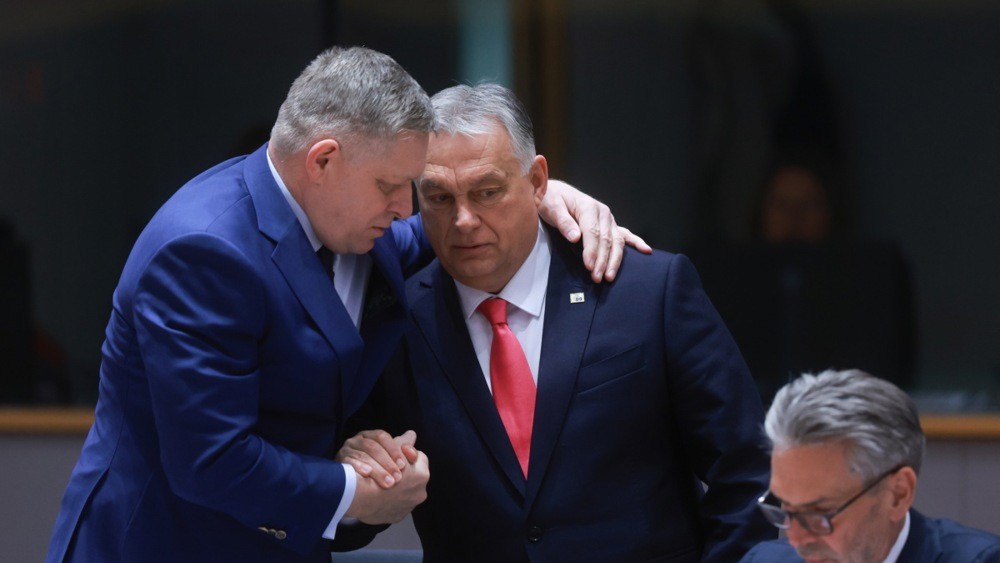
"You cannot blackmail us."
— Viktor Orban, Prime Minister of Hungary
Why this matters for Ukraine
First, the issue of oil transit has turned into a lever of political influence that directly affects economic resilience and access to financing. In December 2025 President Zelensky warned that a delay in a preferential EU tranche could affect drone production — equipment critically important for the front.
Second, Kyiv's proposal is not merely a political gesture. Restoring or reconfiguring routes via "Odesa — Brody" requires investment, technical solutions and coordination with European partners. It is not an instant fix, but it broadens the EU's political and logistical options in case of further risks.
Finally, the legal background also matters: the contract for transit of Russian oil through Ukraine runs until 2030 — this gives Kyiv certain levers, but also imposes obligations.
What the European Commission says and the timeline
"We are not putting pressure on Ukraine and are not setting any deadlines for the repair of the 'Druzhba' pipeline; we do not see short-term risks for Hungary and Slovakia thanks to their 90-day reserves."
— Representative of the European Commission (statement in February)
This means: in Brussels several scenarios are being considered, but there is no rush to make radical decisions. Redirecting flows is technically feasible, but requires financing programs, guarantees and political solidarity.
Conclusion: a realistic forecast
Kyiv's proposal is an important step in two respects: it demonstrates an effort to reduce energy vulnerability and moves negotiations from a reactive category to one of concrete proposals. However, practical implementation will take time, investment and clear positioning by EU partners. The key question now is whether European institutions and states will turn declarations into concrete actions that will underpin the energy security of Ukraine and the region.





