Expert's position
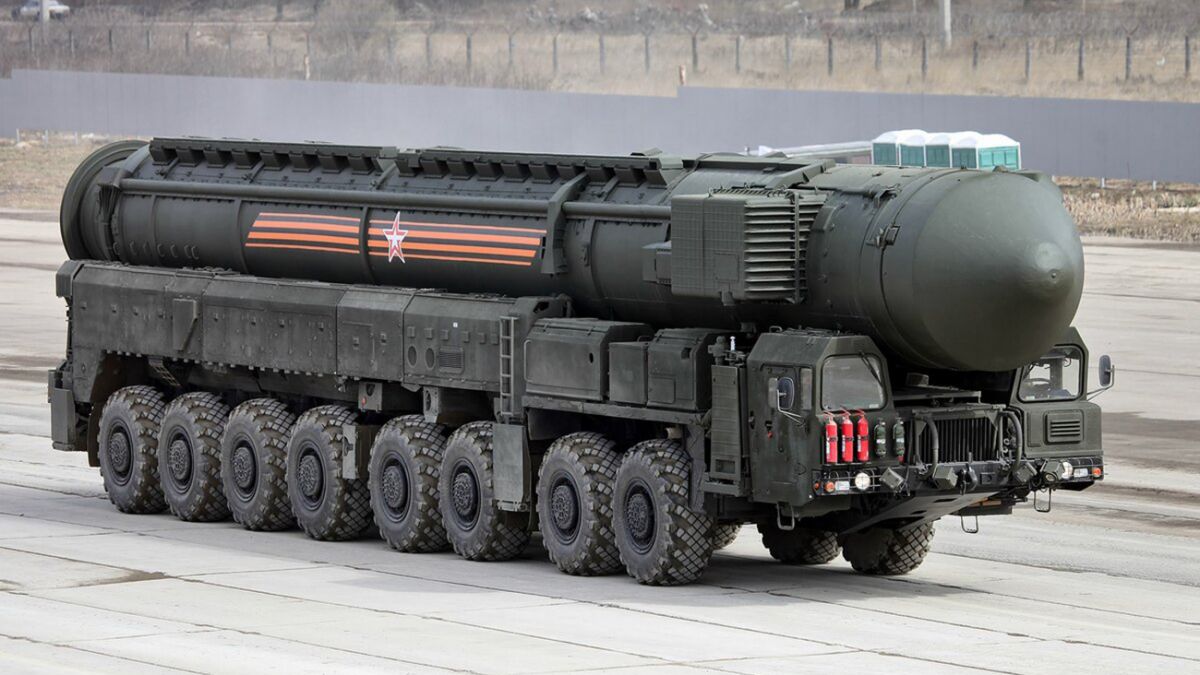
The former head of Finnish military intelligence and now Member of the European Parliament Pekka Toveri tells LIGA.net that the deployment of the medium-range missile "Oreshnik" in Belarus is an important but not a game-changing step at the tactical or operational level.
"The deployment of the 'Oreshnik' is not a game-changer at the tactical or operational levels. Yes, it allows strikes on targets in Western Europe roughly 300 km farther. But it also brings the launchers closer to NATO assets, making them easier to detect and destroy."
— Pekka Toveri, former head of Finnish military intelligence, Member of the European Parliament
What this means for Europe and for Ukraine
The expert's key point is the difference between tactics and strategy. On the battlefield, the 'Oreshnik' in the numbers currently available to the Russians does not change the balance of forces. Instead, its placement in Belarus has a strategic and political effect: a signal of Moscow's readiness to use systems capable of carrying both conventional and nuclear warheads.
This complicates matters for Europe: even if the missiles are easier to detect because they are closer to NATO borders, the psychological and diplomatic pressure increases. Toveri also highlights the breach of the logic of the Treaty on the Elimination of Intermediate-Range and Shorter-Range Missiles (the INF Treaty) — after the U.S. withdrawal in 2019 over numerous violations by Russia, the West did not deploy corresponding systems in Europe, but Russia is demonstrating a different approach.
According to LIGA.net, there is currently no confirmation in Belarus of the deployment of the 'Oreshnik' launchers specifically (BelPol reports). Exiled Belarusian opposition leader Sviatlana Tsikhanouskaya emphasizes that responsibility for the escalation lies with the Lukashenko regime.
Practical consequences and recommendations
For Ukraine and its partners this means several specific steps: strengthen intelligence and air/missile defenses on critical axes, make vulnerable supply chains for the 'Oreshnik' priority targets for intelligence and strike, and push for increased political pressure on Minsk and Moscow.
"NATO must clearly demonstrate through exercises and deployments of the necessary means that it is prepared to destroy these launchers. The Alliance should also begin negotiations on creating and improving its own medium-range nuclear capability."
— Pekka Toveri, former head of Finnish military intelligence, Member of the European Parliament
Conclusion
The 'Oreshnik' does not change the immediate front line, but it changes the tone of the geopolitical conversation: this is not just about missiles, it is about Moscow's willingness to discard existing agreements and intimidate Europe. For Ukraine it is important not to be swayed by theatrical displays of force, but to work on real instruments of deterrence — from intelligence and air/missile defense to diplomacy and coordination with partners. Analysts expect this will lead to an increase in NATO exercises and discussions — but that will require time and political will.





