Quiet confidence that has loud consequences
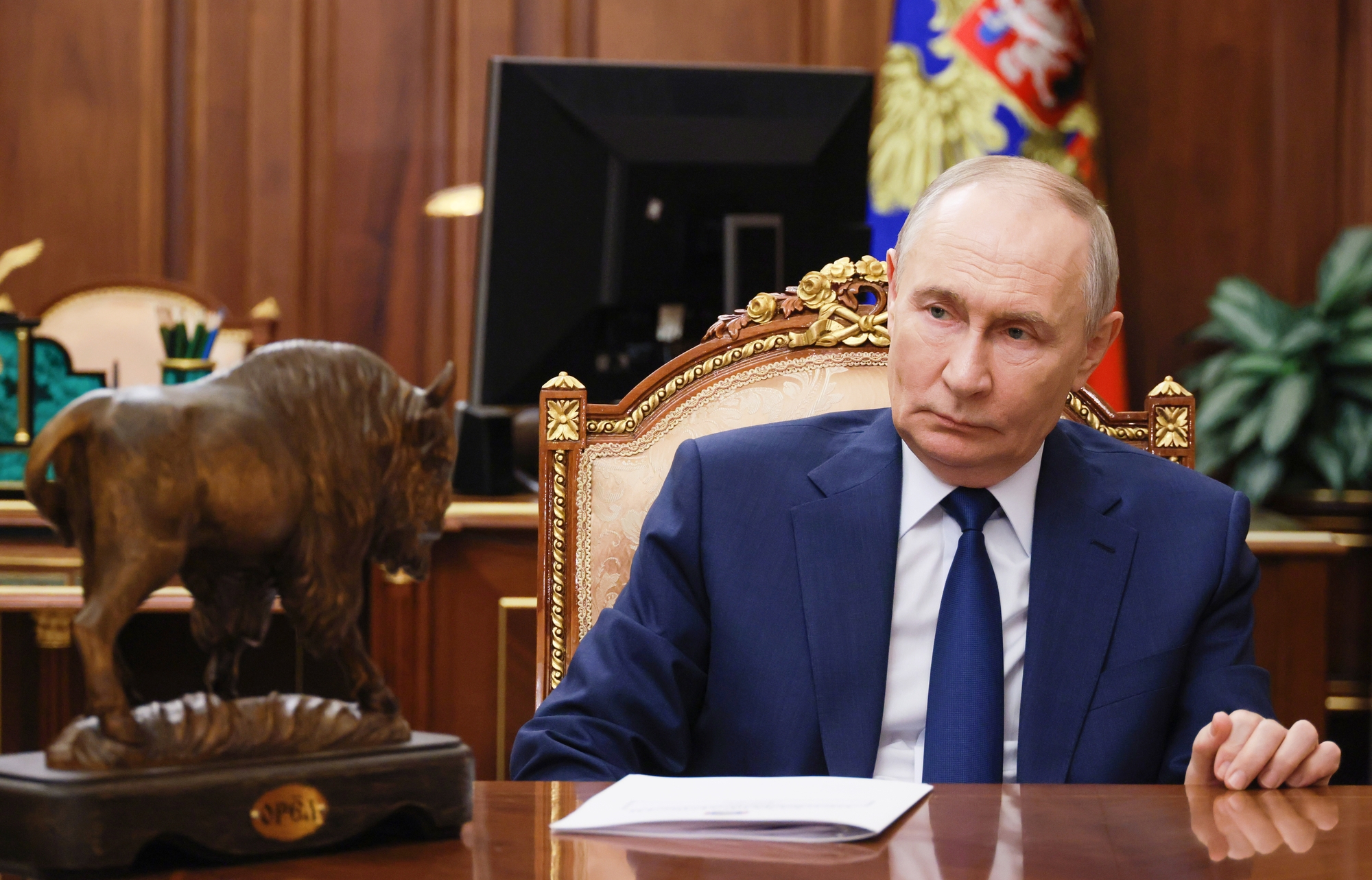
The New York Times reports that Vladimir Putin believes — and this shapes Russian strategy. According to unnamed Western officials quoted by the paper, the Kremlin regime views the current conflict not as a defeat but as a prolonged struggle in which even strikes on energy and civilian infrastructure become a tool of pressure.
"Putin believes he is winning the Russia‑Ukraine war"
— The New York Times (according to Western officials)
What exactly Moscow is doing — and why it's dangerous
According to the NYT, Moscow is prepared to wage war for another 18 months to two years, relying on systematic strikes against critical infrastructure. Such tactics have two aims: to weaken the opponent's morale and economy, and to turn energy vulnerability into a diplomatic argument against Ukraine.
The paper also notes secondary economic factors: control over oil transport and sanction risks that are already affecting the Russian economy. Some analysts, meanwhile, believe Moscow could seek a deal if it perceives benefit from a change in the positions of key external players.
"Military commanders and intelligence services embellish reports about the frontline situation for the leadership, creating in the Kremlin an illusion of the possibility of winning"
— Financial Times, 22 December 2025
Evidence of external assessments
Some Western sources and publications (NYT, FT) agree: information reaching the top leadership of the Russian Federation is often filtered to create more optimistic forecasts. NATO, meanwhile, has warned that capturing parts of Donetsk still under Ukrainian control is unlikely to be realistic for at least a year — meaning Russian expectations do not match the alliance's assessments.
What this means for Ukraine and its partners
In short: an increase in the intensity of attacks on infrastructure is a real and predictable threat. The response must be systemic: strengthening energy resilience, air defense, rapid recovery infrastructure, and economic support. Diplomatically — turning declarations into clear political steps and material deliveries. Sanctions and control over shadow routes of energy trade also reduce the Kremlin's strategic options.
For the reader, this follows a simple logic of interests: protecting critical infrastructure is not only a frontline necessity but also a direct investment in the security of homes, businesses, and the country's economy.
Conclusion
If Putin truly expects a long war and uses strikes on infrastructure as a lever, then the task for Ukraine and its partners is to remove that lever from the Kremlin's toolkit. The next move is up to those who can translate political signals into concrete resources and measures: will there be enough resolve and speed?





