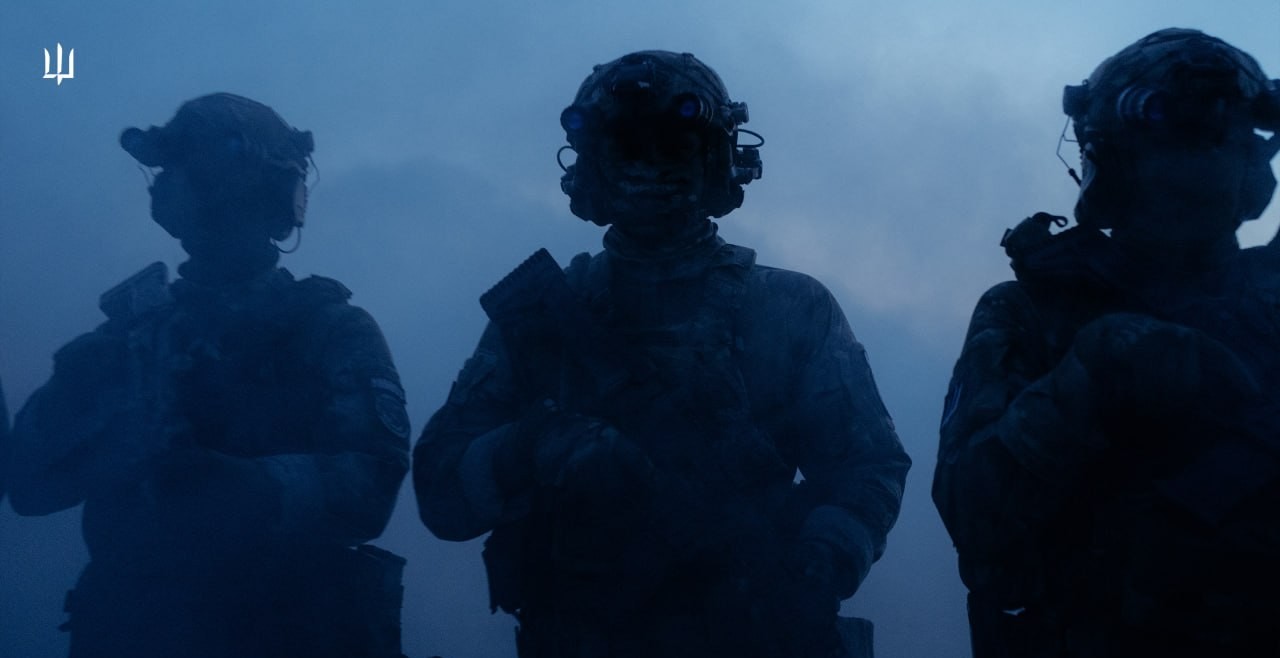
When in September 2024, units of the unmanned systems management of the GUR Active Operations Department entered the Lipets district in the Kharkiv region, their first task was not to storm — but to observe. Reconnaissance efforts were concentrated on one objective: to identify artillery, which was then causing the greatest damage to Ukrainian infantry.
What happened next became known as "Pushkoriz" — and became not a one-time operation, but a systematic algorithm for destroying artillery systems on Russian territory. According to Liga.net, the operation from start to finish was developed by a single GUR Active Operations Department officer with the callsign Toyota.
"Pushkoriz" became one of the factors that helped stabilize the situation in the Kharkiv region in the fall of 2024, and changed approaches to countering Russian artillery in the direction.
Liga.net, according to a GUR officer
From situational strikes to a system
The fundamental shift described by Toyota is a transition from the logic of "we saw a gun, we struck" to building a cross-functional team with a flexible algorithm of action. Intelligence, unmanned systems, and strike groups began working as a single organism with clearly defined roles in advance — instead of situational coordination under fire.
This very flexibility made it possible to transfer the model to another theater. In the summer of 2025, the same officer launched "Dronicide" operation in Zaporizhzhia — and, according to the same source, it made it possible to contain Russian pressure and regain control of the airspace in the direction.
Why this matters beyond one operation
Both operations illustrate a structural deficit that the military speaks about openly: decisions that change the situation at the front often depend on one or two people who have both knowledge and access to resources simultaneously. Scaling such algorithms between directions is the real institutional problem that "Pushkoriz" has so far only indicated, but not solved.
- Operation "Pushkoriz" — destruction of RF artillery in Belgorod region, fall 2024, Kharkiv direction
- Operation "Dronicide" — countering Russian strike UAVs, summer 2025, Zaporizhzhia direction
- Both developed by a GUR Active Operations Department officer with the callsign Toyota
If the algorithm is indeed being replicated between directions — the next question is not "will it work," but whether the system will have time to learn to reproduce such decisions without being tied to a specific person, while the person is still in service.







