What is known
According to Axios, citing unnamed interlocutors, the U.S. and its allies see a growing risk of a protracted phase of military action against Iran — through September, even if the operation slows. Journalist Barak Ravid (Axios) cites several sources in U.S. and allied governments who expect longer instability than initially forecast.
Framework and expectations
The U.S. administration expected an intense campaign lasting 4–6 weeks, but capitals around the world are now preparing for a scenario of months with lower-intensity operations. Israel has said it plans at least another three weeks of strikes on “thousands of additional targets” in Iran (information from Reuters and Axios).
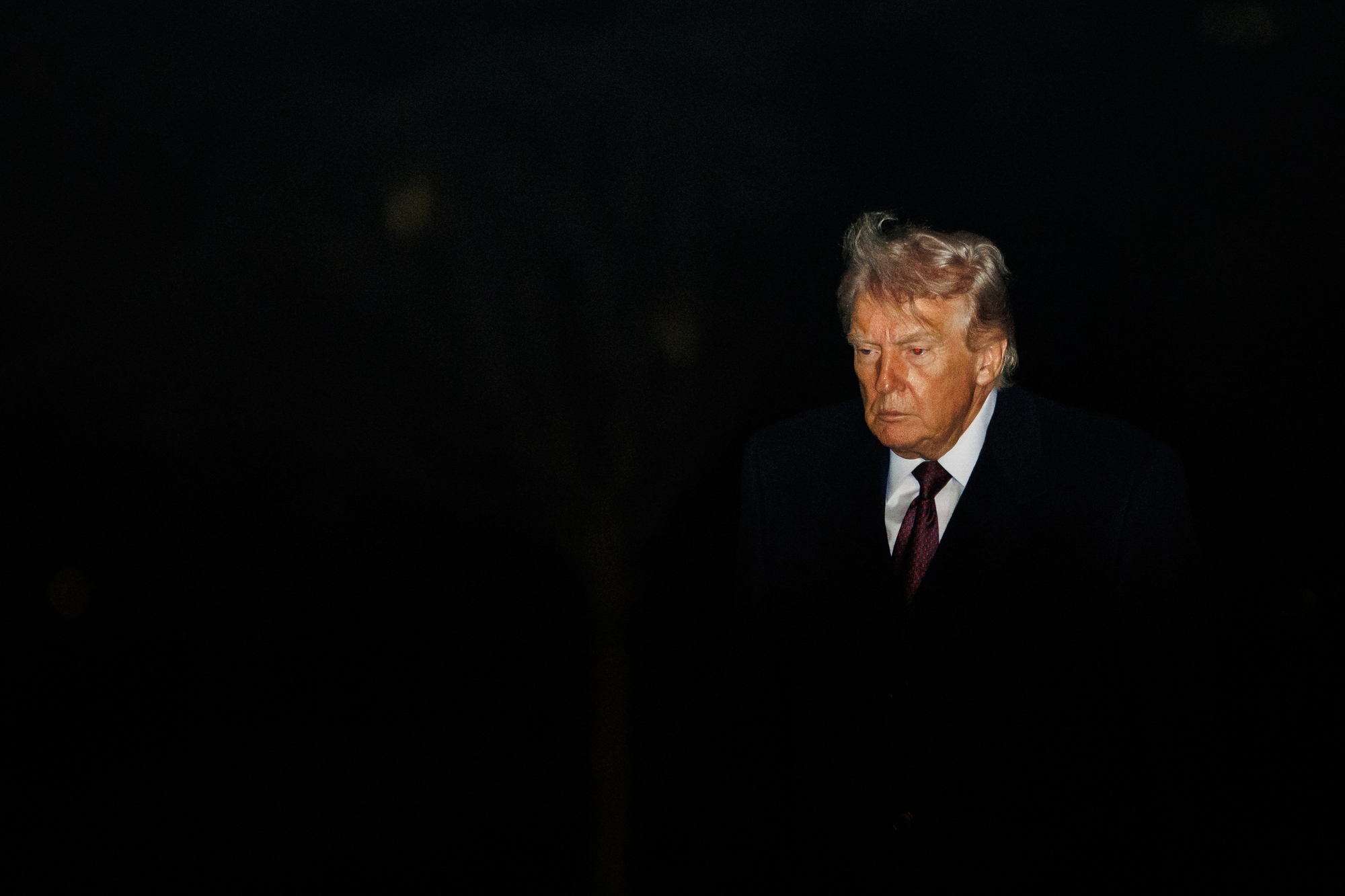
"We have effectively destroyed Iran... They have no navy, no air defense weapons, no air force, everything is destroyed. The only thing they can do is cause a bit of trouble by planting a mine in the water — it’s a nuisance, but a nuisance can lead to problems."
— Donald Trump, President of the United States (quote in Financial Times)
Why it could drag on
The reasons are simple and interconnected: reluctance to deploy ground forces, dispersed strikes and Israel’s strategic objectives, and Iran’s readiness to continue missile and naval operations until it receives guarantees. Axios and Reuters also note that some diplomatic efforts by allies have been rebuffed, and Tehran is not agreeing to talks without concrete conditions for a ceasefire.
"The States may exit the war in about ten days — two weeks, maybe three at most, but Israel will continue striking Iran for the next half year."
— Serhiy Danylov, deputy director of the Center for Middle Eastern Studies (interview with LIGA.net, March 13)
Consequences for energy and maritime security
One of the key risks is the Strait of Hormuz. If its closure or the threat of a blockade persists, it could push oil prices up and put pressure on energy markets. Reuters and analysts warn that rising prices could force the U.S. and other states to return to more active measures to guarantee the passage of ships and the stability of supplies.
What this means for Ukraine
First, a prolonged crisis diverts diplomatic attention and resources from key partners. Second, a spike in energy prices will affect the global economy and budget plans — this has a direct effect on economic stability and defense spending. Third, escalation in the region creates additional risks for global logistics and food chains, which Ukraine is already managing under difficult conditions.
Brief conclusion
The “a few weeks” scenario is increasingly giving way to a “several months” scenario of low intensity. For Ukraine, this means an increased need to monitor the situation, adapt energy and foreign policy plans, and coordinate with partners so that declarations are turned into concrete actions and guarantees more quickly.
Sources: Axios (Barak Ravid), Financial Times, Reuters, LIGA.net.





