What happened
According to Axios, the United States is prepared to hold a new round of talks with Iran on February 27 in Geneva if it receives a detailed written proposal from Tehran within 48 hours. The information was provided by an anonymous senior U.S. official cited by the outlet.
American officials say the current diplomatic pressure may be the last chance before a possible large-scale military strike by the U.S. and Israel, which, according to the NYT, could even affect Iran's Supreme Leader, Ali Khamenei.
"If Iran provides a draft of proposals, the U.S. is ready to meet in Geneva to begin detailed negotiations to see whether a nuclear agreement can be reached."
— anonymous senior official, Axios
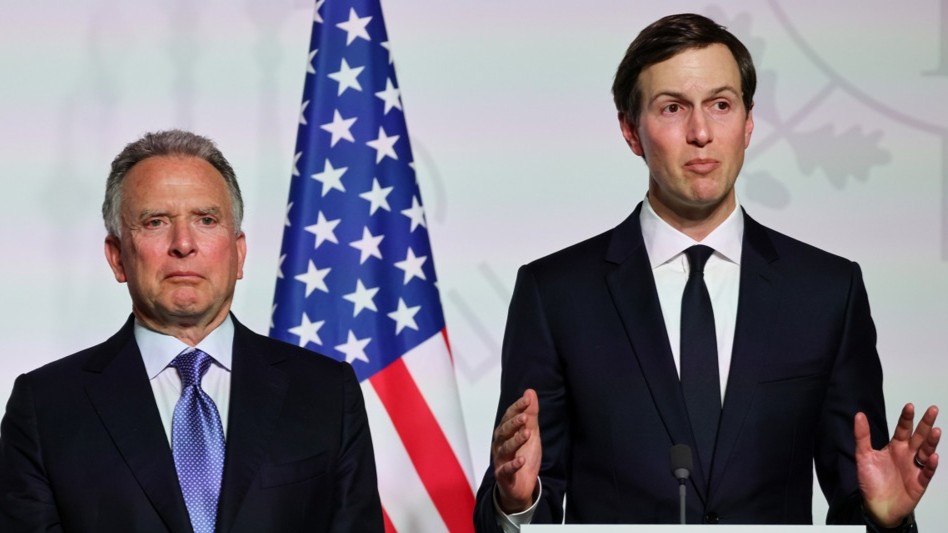
Sources report that the administration's special envoy and the son-in-law of the former president are expected to travel to Switzerland if Tehran sends the document at the beginning of the week. Reminder: Washington insists on a policy of "zero enrichment" of uranium in Iran, but allows discussion of "symbolic enrichment" if Tehran demonstrates that nuclear weapons cannot be produced under that plan (according to Axios and official comments from the parties).
As Iranian Foreign Minister Abbas Araghchi (MS Now) said, the draft proposal should be prepared and submitted as soon as it is approved by Tehran's political leadership.
What to expect for the region
The NYT and other outlets note that Tehran is preparing for a possible armed confrontation with the U.S., studying various response scenarios, including "strike options" against key figures of the regime. This raises the risk of outbreaks of violence in the region, proxy responses and escalation in neighboring countries.
What this means for Ukraine
Briefly — three practical consequences to watch:
1) Political and military distraction of partners. A large-scale operation or its preparation could draw some Western resources and diplomatic energy toward the Middle East. This would temporarily complicate lobbying for additional arms or sanctions against the aggressor in Ukraine.
2) Energy and economic risks. Escalation could trigger higher energy prices and disrupt logistics chains — directly affecting the economic resilience of Ukraine and its partners.
3) Threat of cyber and hybrid attacks. Iran and its affiliated groups have experience with asymmetric strikes that could target critical infrastructure or the information space of Ukraine's allies.
"Iran currently cannot accept the U.S. demands in negotiations, and a possible American strike on the Islamic Republic would be a positive for Ukraine."
— Oleksiy Danylov, deputy director of the Center for Middle East Studies (quoted by LIGA.net)
This is the view of one regional expert. It reflects the logic that weakening Iran could reduce pressure on the international sanctions and security architecture, but at the same time would create short-term instability — a risk that must be weighed separately.
Possible scenarios
Diplomatic success: Tehran provides an acceptable proposal, an agreement delays or reduces the likelihood of a strike — lowering risks for energy markets and reducing the chance of partners being distracted.
Intermediate solution: A temporary agreement or "moratorium" — short-term easing of tensions, but unresolved issues could return later.
Military operation: A U.S./Israeli strike could lead to wider escalation, regional destabilization and ripple effects on energy markets, cyberspace and partners' diplomatic priorities.
Conclusion
The Geneva talks are an important test for the U.S. diplomatic apparatus and a chance to avoid a large-scale conflict. For Ukraine the key is to demand from partners a clear plan of action in the event of escalation: secure energy resilience, bolster cyber defenses and keep communication channels with Western capitals open. Whether diplomatic pressure can be turned into concrete, controlled agreements is the question that will determine the risks for us in the coming weeks.
Sources: Axios, The New York Times, MS Now, LIGA.net.





