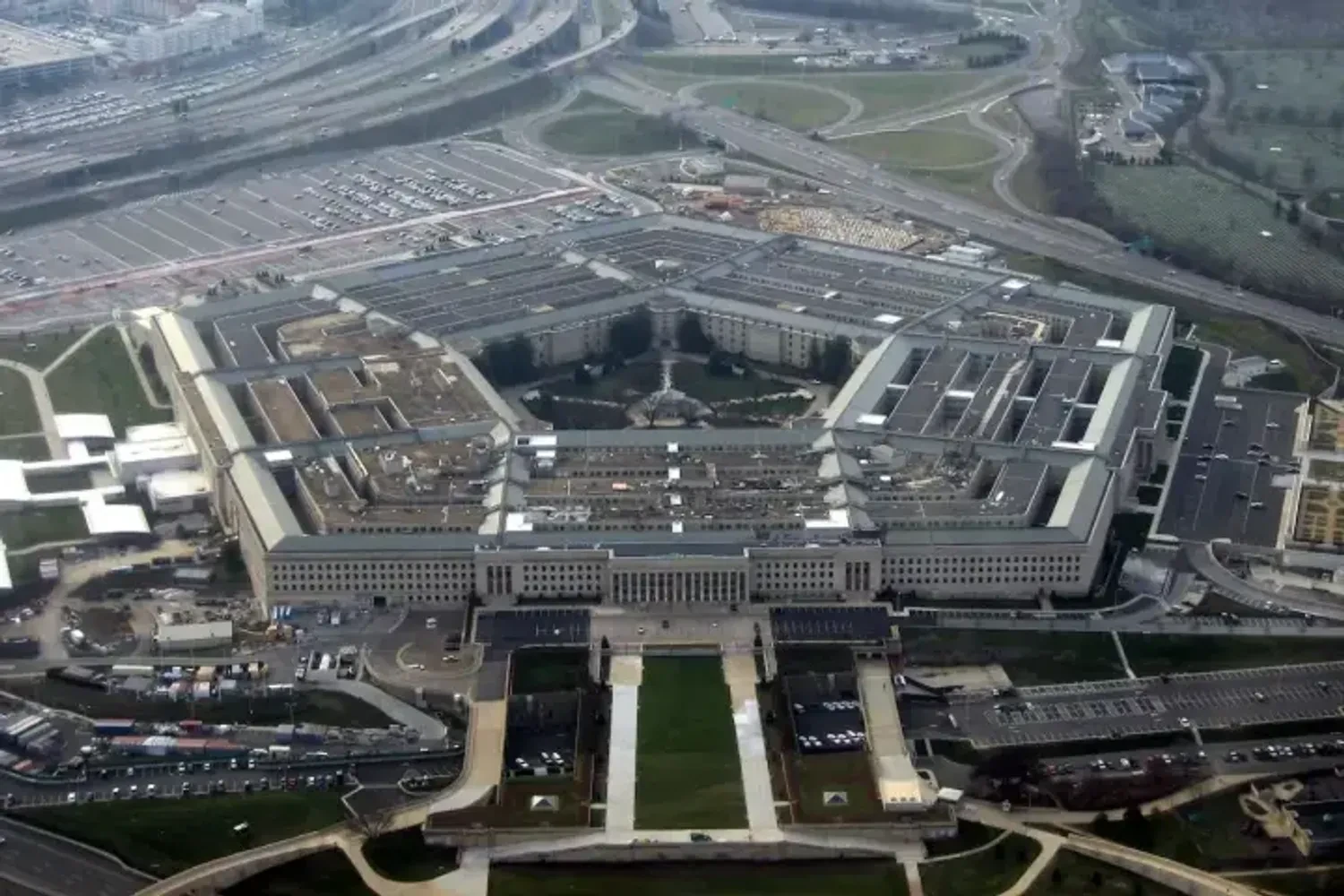
The Pentagon's Defense Intelligence Agency (DIA) quietly published an internal memorandum in mid-November 2025: the counterintelligence threat from Israel — the closest US ally in the Middle East — has been elevated to "critical" level. This is the highest mark on the American classification scale. NBC News was the first to release the document, citing three current and former US government officials.
Who Is in the Crosshairs
A detail that initial reports almost overlooked: this is not about abstract "surveillance of officials." According to The New York Times, among the specific targets are special envoy Steve Witkoff, who is leading negotiations with Iran, Pentagon policy chief Elbridge Colby, and senior Defense Department official Michael DiMino IV. In other words, people who are directly shaping the American position on the Iranian nuclear agreement.
"The DIA assessment contains a seven-page document with a list of specific incidents and even charts"
NBC News, citing a current American official
According to American officials, Israeli intelligence efforts have gone beyond what is considered normal and expected espionage between allies — though they did not name a specific triggering incident that prompted the reassessment.
Context: Forty Years of Tradition and One Meeting in July
This is not the first time Israeli espionage has strained US-Israeli relations. In 1985, US Navy analyst Jonathan Pollard handed Israel briefcases full of classified documents — and spent 30 years in prison. That scandal forced Israel to make an official commitment not to conduct intelligence operations against the United States.
But in July 2025, while the DIA was preparing a new threat assessment, US Ambassador to Israel Mike Huckabee secretly met with Pollard at the American embassy in Jerusalem — without the knowledge of the CIA and, according to the White House, without its authorization. The CIA, according to the New York Times, was "alarmed": such a meeting violated the established norm of avoiding contact with convicted spies.
What "Critical" Means in Practice
- American officials will be required to follow heightened security measures when traveling to Israel and contacting Israeli counterparts.
- Daily intelligence sharing between the two countries — primarily regarding Iran's nuclear program — continues unchanged for now, according to NBC sources.
- The Pentagon refused to comment on the assessment publicly.
The Israeli side is responding in standard fashion: the embassy in Washington called the accusations "completely false," stating that "Israel does not gather intelligence about American organizations, much less about US government officials." The White House added its own denial separately: the Pentagon press secretary neither confirmed nor denied the specific details.
Notably, American counterintelligence officials have long included Israel among the most active foreign intelligence services on American soil — along with France, China, and Russia — but have not spoken about it publicly. Raising the threat level to "critical" is a step that goes beyond routine review.
Where This Situation Could Break
The key variable is the Iran negotiations. If Washington signs a deal with Tehran on terms Netanyahu considers unacceptable, the motivation for Israeli intelligence to gather information about American intentions will only increase. The question is not whether the next scandal will happen — but whether it will occur before the agreement is signed or after.





