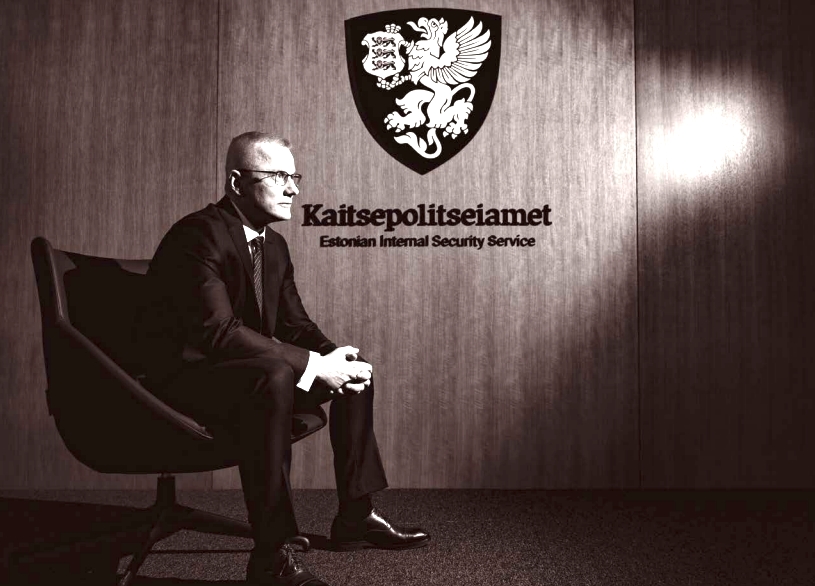
Metropolitan Yevgeny (Reshetnikov) is a Russian citizen living in Russia, appointed by Moscow — yet he officially continues to lead a church that changed its name in March 2025 and declared "administrative independence." This very contradiction was documented in the annual report of Estonia's security service Kaitsepolitseiamet (KAPO), published on April 13.
"Russia's aggression against Ukraine and interference in Moldova's elections clearly demonstrate how religion in Russia has become an instrument of executive power."
— KAPO Annual Report, 2025
Cosmetics instead of a break
In August 2024, the church unilaterally declared independence from the Moscow Patriarchate. In September, it filed a request to change its name — initially to "Estonian Orthodox Church," but the court rejected it as misleading. In March 2025, the Tartu Court approved a new name — Estonian Orthodox Christian Church (EOCC). The new statute enshrines "independence in church-administrative affairs" and removes references to the Moscow Patriarchate.
However, the church retained its canonical ties with the Russian Orthodox Church. Bishop Daniel, when submitting the name change application, emphasized local identity — yet openly stated that the church does not want to break canonical ties with the Moscow Patriarchate. This became the reason for the church's loss in Tallinn Administrative Court in May 2025: the court denied it state funding on equal terms with other confessions.
Parliament increases pressure
On April 9, 2025, the Riigikogu passed a law prohibiting churches in Estonia from maintaining subordination to foreign religious structures that pose a threat to state security. The norm is direct: a person without the right to reside in Estonia cannot be a clergyman or member of the governing body of a religious organization. Metropolitan Yevgeny fits this criterion. The law gives two months to bring statutes and leadership composition into compliance.
On June 18, 2025, the law received amendments following discussions on the constitutionality of certain provisions. The EOCC welcomed the amendments but expressed regret that some norms remained unchanged.
- ~150,000 believers in 38 parishes — predominantly ethnic Russians, Belarusians, Ukrainians, and some Estonians
- The church rejected a proposal to merge with the Estonian Apostolic Orthodox Church (EAOC), which falls under the jurisdiction of the Ecumenical Patriarchate
- Primate Stephanos of the EAOC proposed an alternative: a joint vicariate without merger and subordination — so that the EOCC retains canonical integrity while breaking administrative ties with Moscow
What next
The renaming and statutory changes removed the legal reference to Moscow — but did not change who actually governs the church and to whom it is canonically subordinate. KAPO records this as an ongoing risk, not a resolved problem.
If, after the two-month deadline set by the new law expires, Metropolitan Yevgeny remains in office — Estonian authorities will face a choice between direct interference in church affairs and acknowledging that the law is de facto not being enforced.





