On May 11, the National Anti-Corruption Bureau (NABU) and the Specialized Anti-Corruption Prosecutor's Office (SAPO) announced suspicions against Andrii Yermak, the former head of the Presidential Office. The "Dynasty" case involves money laundering of 460 million hryvnia (approximately $8.9 million) in the construction of an elite cottage settlement in Kozyn near Kyiv. In addition to Yermak, suspicions were brought against businessman Timur Mindich and former Vice Prime Minister Oleksiy Chernyshov. SAPO is demanding arrest with a bail of 180 million hryvnia.
What exactly they are charged with
According to NABU materials, between 2021–2025, the suspects legalized funds from various sources, including corruption schemes at Energoatom, and directed them toward the construction of five private residences. The investigation identified the organizer of the scheme using the code name "Carlson" — it was he who, according to detectives, after previous suspicions in the case, decided to freeze construction to avoid exposure. The High Anti-Corruption Court issued an arrest warrant on the land plots and unfinished "Dynasty" facilities.
Yermak responded tersely: "I won't comment on anything right now".
Diplomatic dimension: what Klimkin says
"International partners have long been aware of internal political processes in Ukraine — news around Yermak will not be decisive for them."
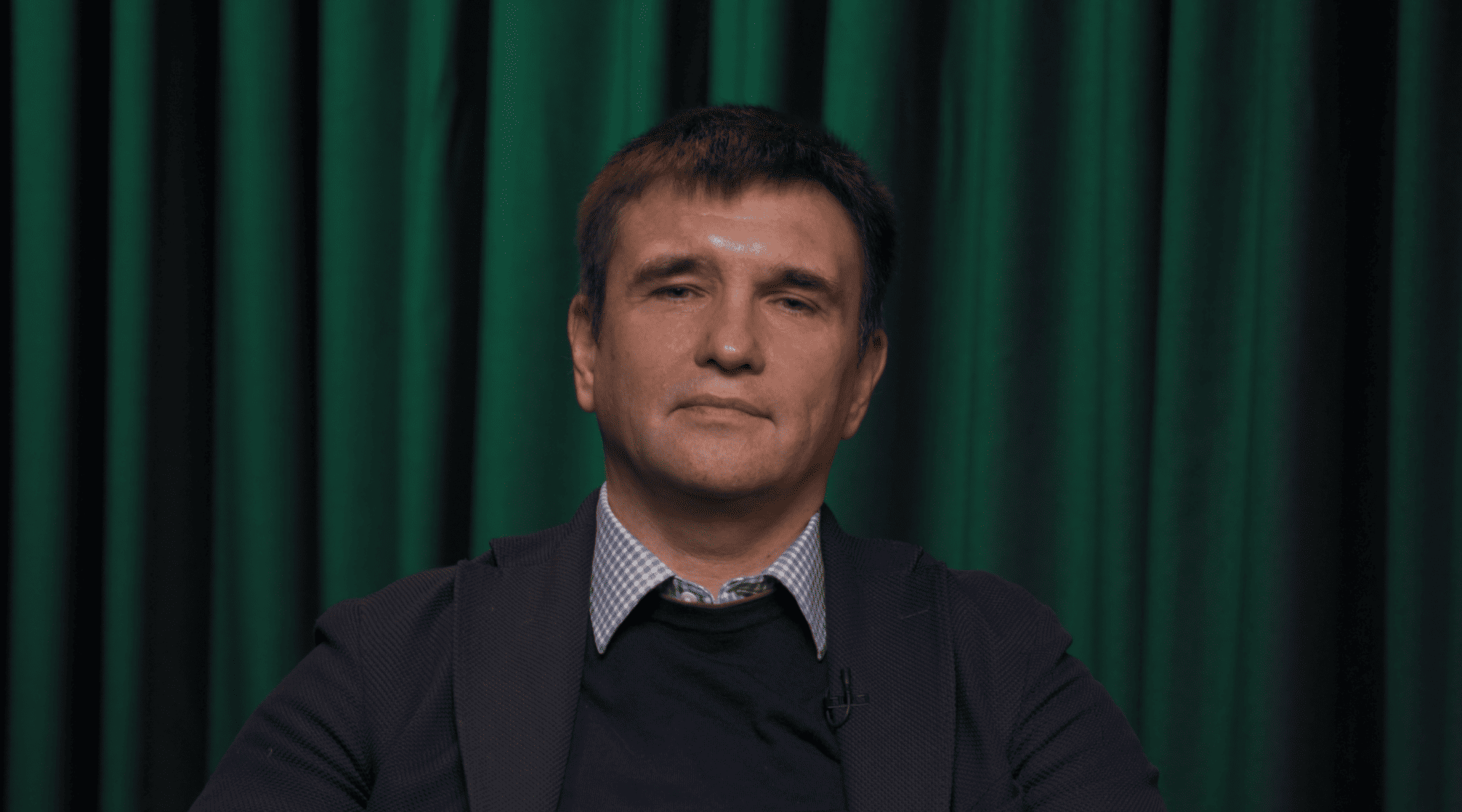
Pavlo Klimkin, former Ukrainian Foreign Minister, program "Klimkin Explains" on LIGA.net
But the diplomat points to another level of risk: the internal balance of the negotiating team. The Economist described this split earlier: one wing of the team — pragmatic, interested in the quickest possible result; another, which was under Yermak's influence, — much more cautious about any concessions. Zelenskyy balanced between them.
When in November 2025, after searches at the Presidential Office, Yermak resigned, the president announced a "reboot" of the negotiating team. Now, after the formal suspicions, the question is not whether Yermak will return to the negotiating track — but who and with what logic will fill the vacant position.
The Trump and Democrats factor
Klimkin identifies another context: American Democrats may use the peace process as a weapon against Trump before the midterm elections. According to the diplomat, Trump has so publicly invested in the negotiating track that withdrawing from it without results would mean becoming a "weakling" in American political logic. Any scandal around the Ukrainian side of negotiations gives Trump's opponents an additional argument: the partner is unreliable, there are no results.
- The "Dynasty" case is not only a domestic anti-corruption proceeding, but also a potential message to Washington about partner quality
- NABU and SAPO acted independently — and this in itself is a signal about the state of institutions that partners rate positively
- The negotiating team without Yermak so far does not have a publicly defined architecture and a new leader
If by autumn Kyiv does not form a negotiating team with a clear mandate and understandable internal logic — Democrats will have a ready narrative for the midterm elections: Trump bet on a partner who is being tried for money laundering, and there is still no peace.





