A meeting of the UN Security Council is scheduled for April 20. Ukraine initiated it after the "Easter ceasefire" that Putin himself announced on April 9 turned out to be a fiction: in less than a day — over 2,000 ceasefire violations, according to the General Staff of the Armed Forces of Ukraine.
What Kyiv is bringing to the Security Council
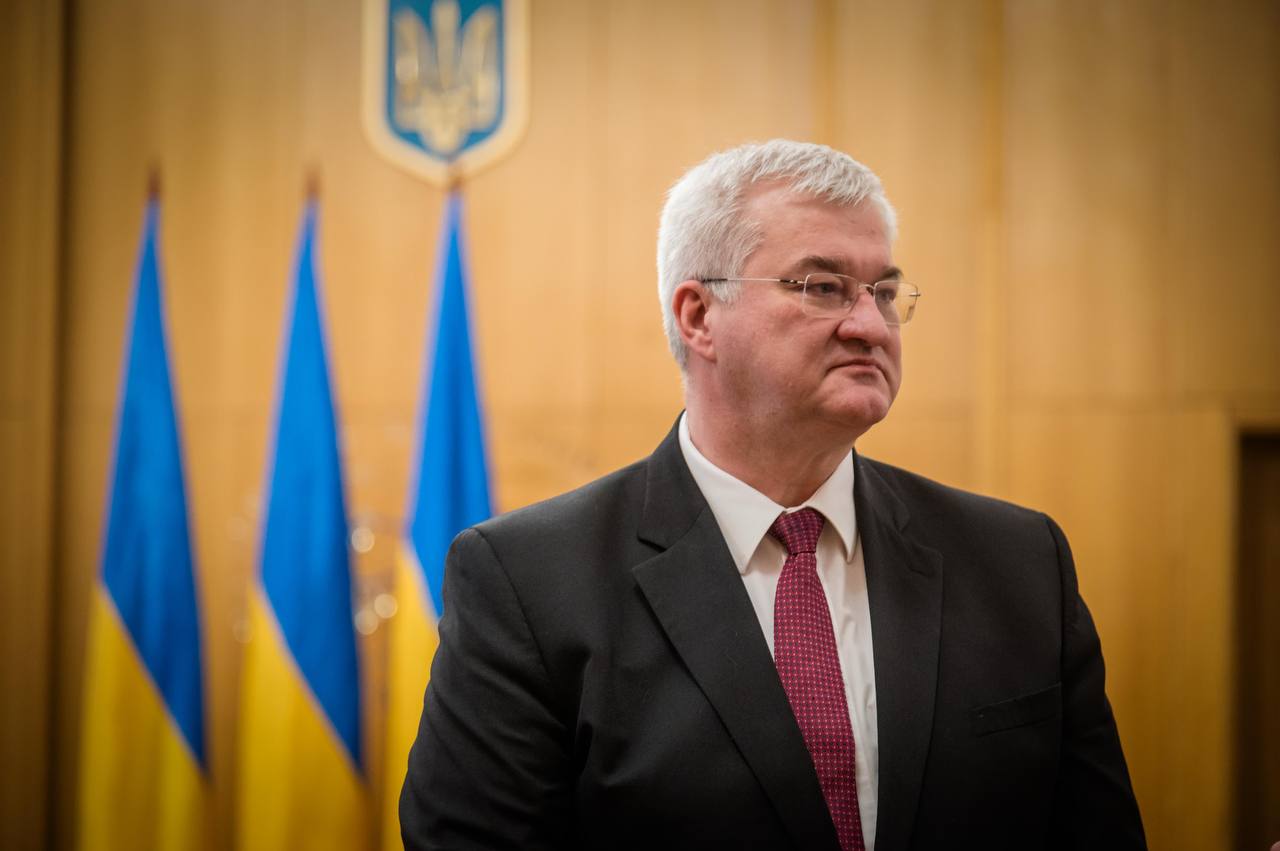
Foreign Minister Andriy Sybiha formulated the position clearly: strikes on residential areas and critical infrastructure are not chaotic violence, but an element of military strategy. Accordingly, they should be classified not as an "escalation," but as planned war crimes.
"Such attacks are planned in advance. This demonstrates that when Ukraine proposed extending the Easter ceasefire and giving diplomacy a chance, the Russian leadership had already approved plans for further civilian deaths."
Andriy Sybiha, Foreign Minister of Ukraine
Ukraine's Permanent Representative to the UN Andriy Melnyk detailed the scale: in just two weeks before the meeting was called, Russia used over 3,600 strike drones, approximately 1,350 guided aerial bombs, and over 40 missiles. At least 70 civilians were killed.
Why the Security Council — and why this won't solve the problem
Ukraine insists on reviewing the issue under the agenda item "Maintenance of International Peace and Security." Formally, this is the highest level of documenting violations within the UN system. Practically — Russia, as a permanent member of the Security Council, has the right to veto any binding decision.
- The meeting makes it possible to document states' positions publicly — this is important for future tribunals.
- Pressure on states that abstain from condemnation increases with each such vote.
- No enforcement mechanism to stop strikes is provided by a Security Council decision.
After Zelensky proposed extending the ceasefire in airspace for 30 days, Moscow refused — and resumed long-range strikes. Kyiv is now using this episode as proof: Russia consciously chooses escalation even where it initiated the pause itself.
If at the April 20 meeting even several states that have so far abstained vote in favor of condemnation — this will change the diplomatic price of silence. If not, Kyiv will have yet another argument in favor of the fact that Security Council reform or workaround mechanisms — is not an option, but a necessity.





