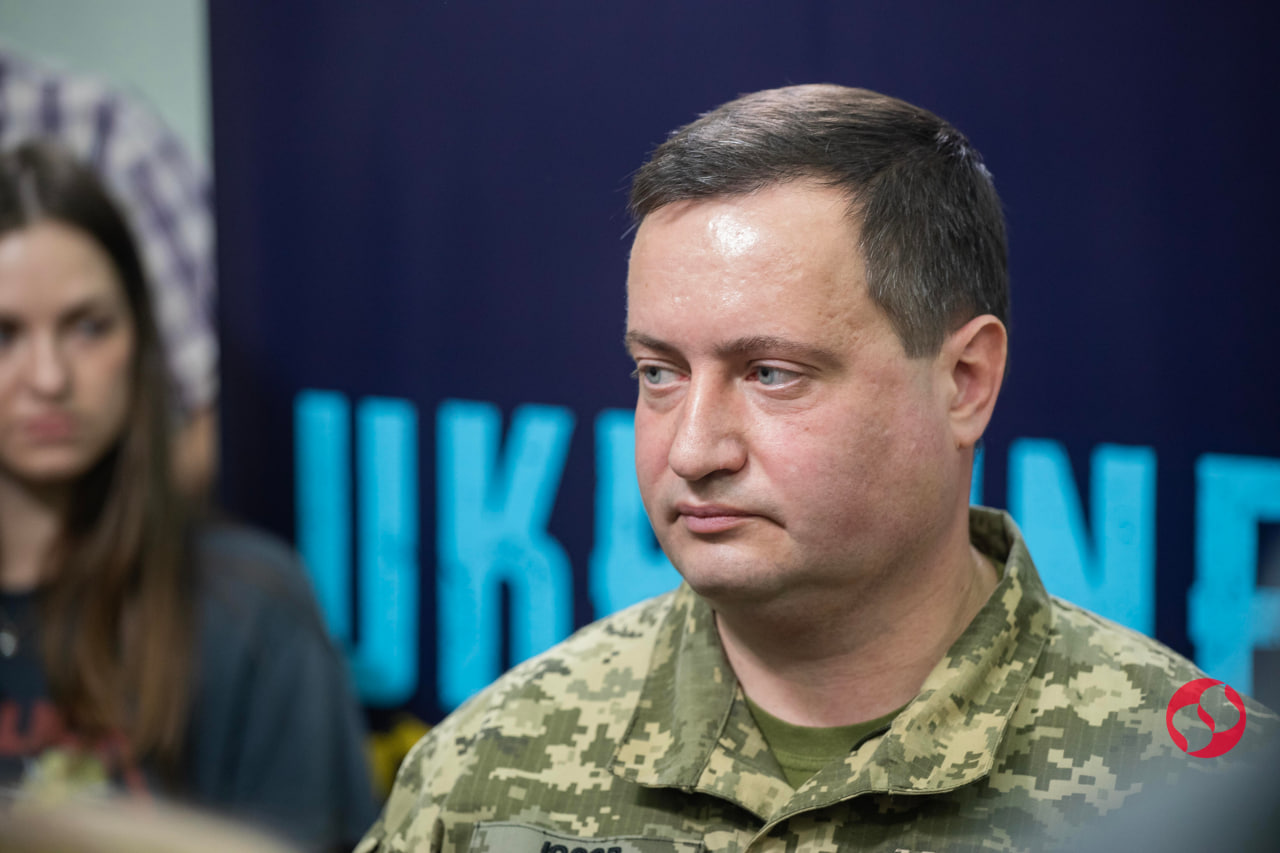
On June 1st at the "Security Architecture" forum in Kyiv, Andriy Yusov, advisor to the head of the Presidential Office, formulated an official position: China is not providing direct military assistance to Russia. In response to a LIGA.net inquiry, the Ministry of Foreign Affairs clarified that Ukraine is using diplomatic and sanctions instruments against Chinese companies that support the Russian defense-industrial complex.
The problem is that the word "direct" carries significant weight — and this is precisely where the gap lies between the official frame and what allied intelligence agencies are documenting.
What Reuters' investigation revealed
On May 19, 2026, Reuters published a report citing three European intelligence officials and documents the agency examined directly. According to the publication, in late 2025, Chinese armed forces secretly trained approximately 200 Russian military personnel on their territory — and some of them returned to fight in Ukraine.
"The secret training, focused primarily on drone deployment, was enshrined in a bilingual Russian-Chinese agreement signed by high-ranking officers from both countries in Beijing on July 2, 2025"
Reuters, May 19, 2026
The agreement provided for training of Russians at Chinese military academies — including in Beijing and Nanjing. One documented course in December 2025: approximately 50 Russians practiced firing 82mm mortars guided by UAVs at the Land Forces Academy of the National Defense University in Shijiazhuang. Another course covered anti-drone defense — electronic rifles, capture nets, UAV interception. All weapons that Russia actively uses on the front lines.
Separately, Reuters documented that experts from private Chinese companies participated in the technical development of attack drones for a Russian unmanned aircraft manufacturer.
Where the line of "direct" assistance is drawn
Yusov is technically correct: China is not transferring tanks, missiles, or artillery to Russia. But training personnel at National Defense University academies with subsequent return to the front lines — this is not dual-use trade and not a "neutral business." European intelligence agencies classify this as direct military support.
The Ukrainian Ministry of Foreign Affairs, according to the department, is responding with sanctions pressure on Chinese companies. But an agreement between officers of two armies is not a commercial scheme that a sanctions list will shut down.
- Scale of training: ~200 people — not many, but among them, according to Reuters, are instructors capable of transmitting knowledge further down the command chain.
- Focus — drones: precisely the sphere where China has technological advantage and where Russia most needs upgrades.
- Legalization through an agreement: a signed inter-governmental document means this is not an initiative of individual companies, but agreed state policy.
What comes next
Official Kyiv is choosing its wording carefully — so as not to destroy the diplomatic channel with Beijing, which Zelenskyy is trying to keep open. But if next week Congress or the European Council officially asks China about the agreement from July 2, 2025, Beijing will have to either acknowledge it or deny Reuters' documents.
The question is not whether Chinese assistance exists — but whether Kyiv and its allies are ready to call training of combatants at National Defense University academies what it is, if the price of the question is preserving a diplomatic channel with Beijing.





