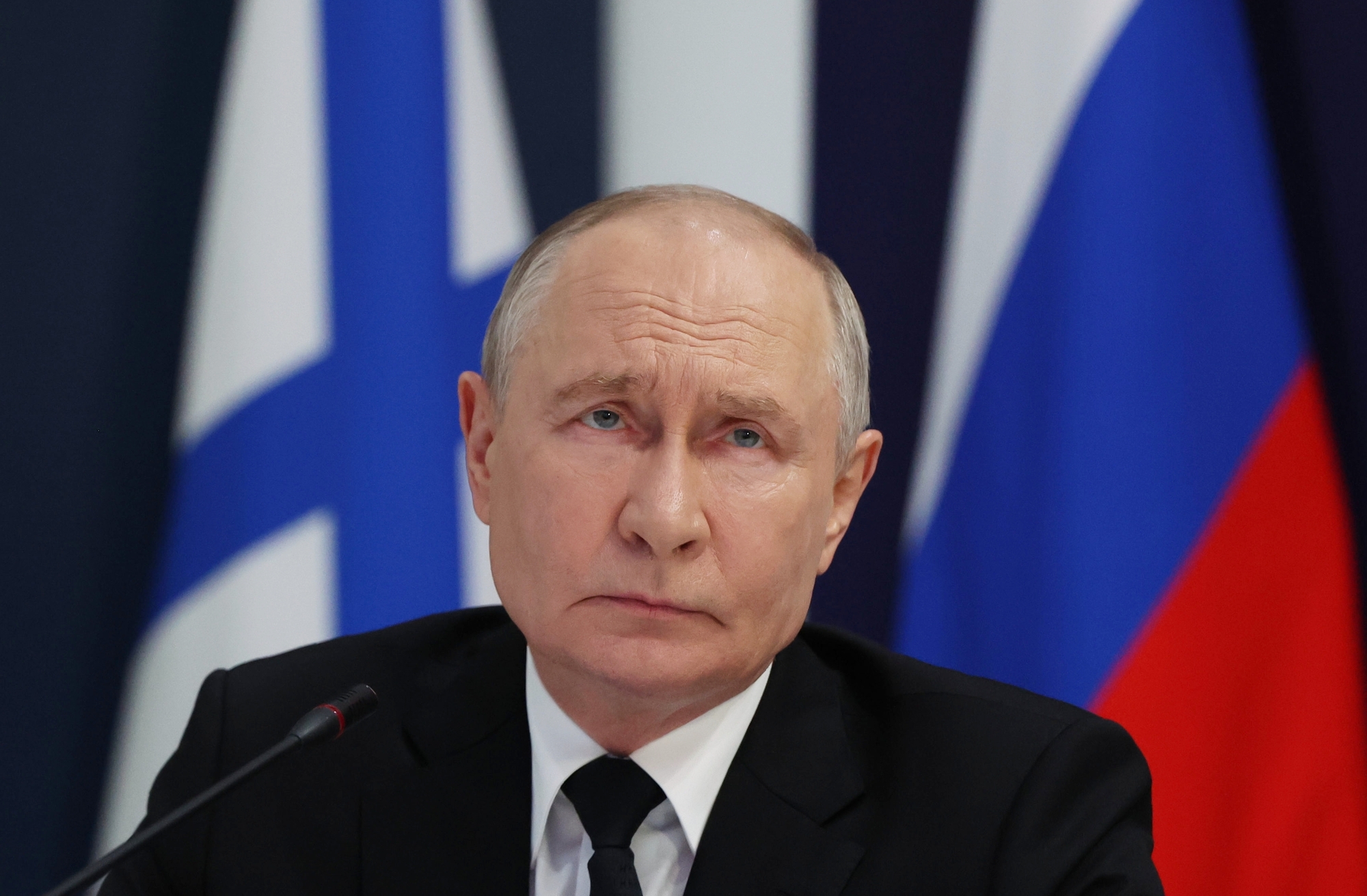
Japan's Foreign Minister Toshimitsu Motegi has lodged a protest with Russia over dictator Vladimir Putin's first visit to the disputed Iturup Island. He announced this on the X social media platform.
"The islands, including Iturup Island, that are part of the Northern Territories are an integral part of Japan's territory both historically and under international law, and on behalf of the Japanese government, I strongly protest against this visit," Motegi stated.
Iturup is part of a group of islands that the Soviet Union occupied after World War II. Japan considers the southern Kuril Islands to be its "Northern Territories," citing the 1855 Treaty of Commerce and Borders.
Russia, meanwhile, insists that the islands allegedly legally became part of the USSR as a result of World War II.
Why Now
The visit to Iturup was not conducted separately but as part of a broader Putin trip to the Far East. On August 12, Putin traveled to the Far East to observe the final stages of exercises by Russia's Pacific Fleet. It was against this backdrop of displaying military force in the region that the dictator visited the disputed island.
It is also telling that aboard the missile cruiser Varyag, Putin claimed that NATO was attempting to "seep into" the Asia-Pacific region and deploy new types of weapons there that would threaten Russia, and that the West was escalating tensions in the neighboring Arctic region as well. Additionally, Putin stated that Japan had imposed unprovoked sanctions against Russia, "without analyzing the causes of the conflict in Ukraine" — meaning the rhetoric of justification is directly tied to the war against Ukraine.
The Kyodo News agency offers a more pragmatic explanation for the timing of the visit: it occurred nearly four and a half years after Russia's full-scale invasion of Ukraine began and appears designed to demonstrate to observers both within the country and abroad that Moscow will not make territorial concessions, particularly to Japan, which has called for the return of the disputed islands. In other words, this is not a tourist stroll but a demonstrative gesture before both a domestic and international audience.
Who Benefits
The Kremlin benefits in two ways. First, it is a domestic political signal: the dictator personally "consolidates" the territory that Russia has held for more than eight decades, despite never having been there himself. Putin has never previously visited the Kuril Islands, and in January 2024 during a meeting with Far Eastern entrepreneurs, he himself noted that he had never visited them before. Meanwhile, other Russian leaders have already traveled to the disputed territories — Dmitry Medvedev visited the Kurils four times: in 2010 as president of Russia, and in 2012, 2015, and 2019 as prime minister, and Russian Prime Minister Mikhail Mishustin visited Iturup in 2021. Now Putin has been added to this list — precisely when it is necessary to demonstrate the firmness of his position amid the war in Ukraine and sanctions.
Second, it is a signal to Tokyo: there will be no softening of the position on the islands, despite years of diplomatic statements from Japan. Japan argues that the Southern Kurils did not fall under the classification of lands to be transferred from the Emperor's control in accordance with the Cairo Declaration, which reserved all territories up to 1914 for Japan, except for colonies annexed by occupation — Taiwan and Korea. For Moscow, it is principally important not to recognize this argument — because any concession on the Kurils would create a dangerous precedent for other occupied territories.
Japan's Reaction and Surrounding Context
Tokyo's reaction was swift and unambiguous: Japan's Foreign Ministry issued a strong protest to Russia over Putin's appearance on Iturup, emphasizing that "the Northern Territories, including Etorofu Island, are historically and legally integral territories of Japan." Notably, the visit occurred after North Korea launched a missile — another alarming signal for regional security that overlaps with the demonstrative trip by the Russian leader.
Prospects for easing relations between Moscow and Tokyo do not improve after this. The prospects for resuming negotiations on signing a treaty remain grim, with little sign of improvement in bilateral relations after Japan joined sanctions against Russia over the war in Ukraine.
- Following the start of Russia's full-scale war against Ukraine on April 22, 2022, Japan's Foreign Ministry for the first time in 20 years called the Kuril Islands illegally occupied by Russia.
- Kremlin spokesman Peskov then stated that all four islands allegedly are "an integral part of Russia."
- On October 7, 2022, the Ukrainian parliament officially recognized the Kurils as territory of Japan occupied by Russia.
The question is whether Tokyo will go beyond protocol protests — for example, to new sanctions packages or a review of the format of dialogue with Moscow — or will it limit itself to traditional diplomatic rhetoric, as it has done throughout all previous years of the dispute over the islands.