On the evening of July 13 and night of July 14, Russia attacked Ukraine with eight Iskander-M ballistic missiles/S-400 systems launched from Bryansk region. Five were shot down or suppressed — one hit its target, with information on two still being clarified in the morning. This was reported by the Air Force of the Armed Forces of Ukraine.
Context matters: the attack on July 6 marked a turning point for renewed concern. Russia then deployed 23 Iskanders and S-400 missiles as part of a massive strike involving over 400 weapons — and not a single ballistic missile was intercepted. After that failure, public discussion about the deficit of PAC-3 missiles reached a new level.
What was shot down tonight
In addition to ballistics, air defense destroyed both guided aviation missiles Kh-59/69 and 108 out of 135 unmanned aerial vehicles — Shaheds (including ramjet-powered), Gerber, Italmas, Banderol, and Parody decoys. Strikes were recorded at 17 locations, with debris falling on 10 others. Air defense operations were conducted by aviation, air defense missile forces, electronic warfare units, and mobile fire groups.
Why shooting down Iskanders is becoming harder
The result of the night of July 14 looks better against the backdrop of July 6's failure — but it does not mean the problem has disappeared. RUSI analysts have documented a consistent downward trend in Iskander interceptions throughout 2025: maximum effectiveness in no single month exceeded 30%.
"This complicates interception, but does not make it impossible"
— Air Force spokesman Yuriy Ignat after the May attack on Kyiv, when Iskander was first observed with a radar decoy system
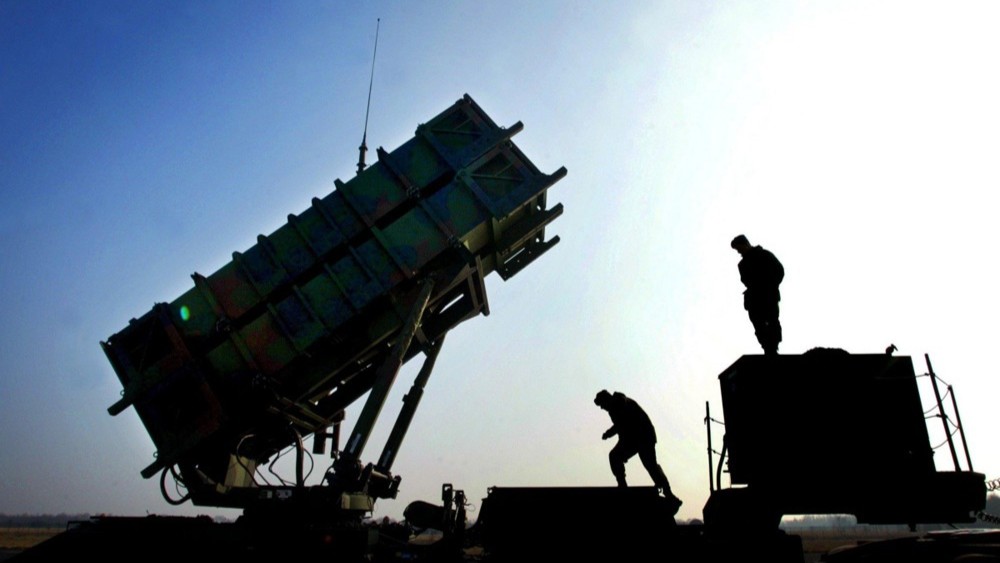
Russia has modified the missiles: according to Defense Post and Army Recognition, new versions of the Iskander-M perform terminal maneuvers and can use radar countermeasures. This directly impacts the interception geometry of PAC-3, which requires stable target tracking in the final seconds before impact.
Exhaustion tactics as context
The combination of ballistics with hundreds of drones is not coincidental. As Ukrainian analysts note, simultaneous launches of ballistic missiles and massive waves of UAVs create excessive load on radars and interception systems, forcing the distribution of limited Patriot missile resources. Six Patriot batteries for the entire country is a severe constraint that Russia, judging by the dynamics of attacks, has studied.
- 8 Iskander-M/S-400 ballistic missiles — 5 shot down/suppressed
- 2 guided Kh-59/69 missiles — both destroyed
- 135 drones of various types — 108 shot down/suppressed
- Direct hits: 1 ballistic missile + 25 strike UAVs at 17 locations
Five intercepted Iskanders is better than zero on July 6. But three missiles with negative or "clarified" information remind us: the result of one night does not cancel the structural problem with interception resources.
If Russia continues to combine modified Iskanders with massive drone waves — the question is not whether air defense will withstand the next night, but rather how many PAC-3 missiles will remain before the next strike on Kyiv.







