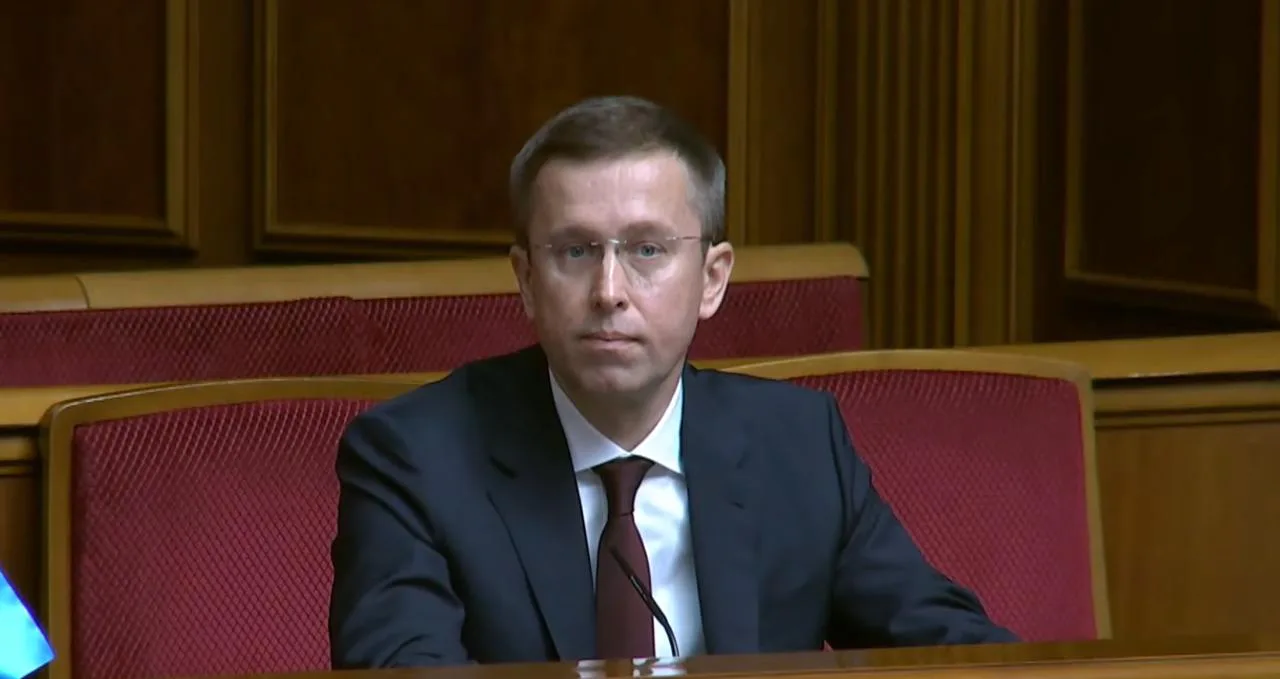
The Verkhovna Rada appointed Sergiy Koretskyi as Prime Minister of Ukraine. The corresponding resolution was voted for by 289 national deputies — this exceeds the constitutional threshold of 226 votes, but shows that consensus in parliament is far from monolithic.
Koretskyi previously headed the National Joint-Stock Company "Naftogaz of Ukraine" — a company that is simultaneously a strategic state asset, a subject of pressure from the IMF and World Bank regarding tariff transparency, and a chronic source of corruption scandals. His transition from the chair of a state company manager to the chair of head of government is not just a personnel move: it is a signal about what sphere of power is considered a priority now.
Energy infrastructure remains one of the main targets of Russian strikes. The heating season, gas transit, restoration of capacity — all of this requires not only technical management, but also the ability to negotiate with European partners and international financial institutions. Koretskyi has experience precisely in these negotiations.
At the same time, the appointment raises an open question about the anti-corruption reform bloc. Naftogaz under his leadership did not become a symbol of transparency — and now the same manager receives authority over the entire government, including bodies that are supposed to monitor such companies.
289 votes is enough for the appointment, but insufficient to claim broad support for the course. If Koretskyi does not form a functional coalition within the Rada and does not show concrete results in restoring the energy system before next winter — this very figure will become the measure of his legitimacy, not the prime ministerial chair.







