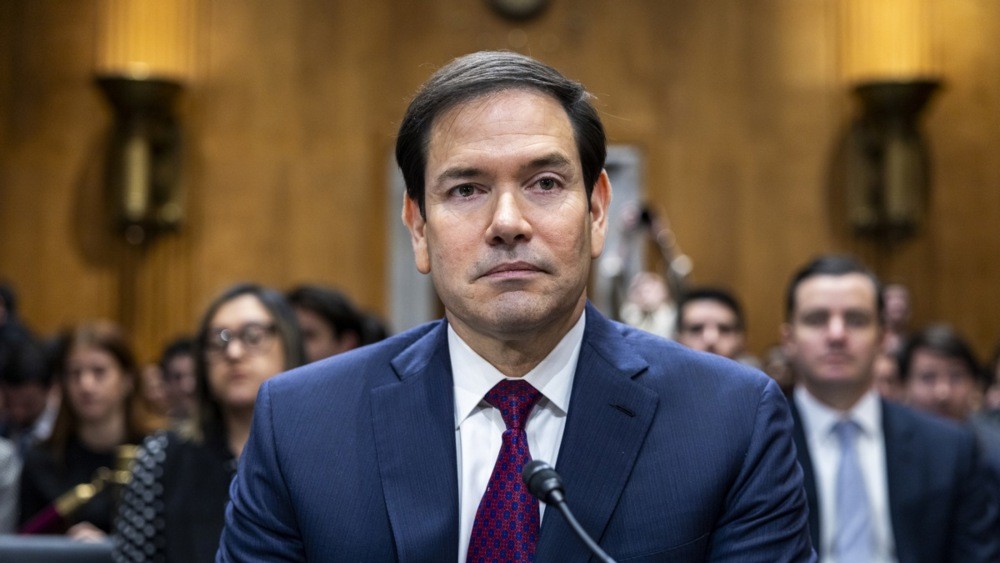
US State Secretary Marco Rubio publicly refuted information that Washington sent official representatives to the St. Petersburg International Economic Forum (SPIEF). According to him, there was no American delegation in St. Petersburg.
SPIEF is positioned by the Kremlin annually as a platform to demonstrate international support for the Russian economy — especially under conditions of sanctions pressure. The presence of any US representative would have had symbolic significance, which Moscow would certainly have exploited in its own rhetoric.
Rubio's refutation appeared against the backdrop of active diplomatic signals between Washington and Moscow regarding a possible settlement of the war in Ukraine. This very context gave rise to assumptions about a possible informal American presence at the forum.
A key distinction worth noting: Rubio is speaking about an official delegation. This does not exclude the presence of business representatives, lobbyists, or any other persons with American passports who could have been in St. Petersburg in a private capacity — and this gray zone is precisely what no refutation closes off.
For Ukraine, the question is not abstract: each normalization of contacts with Russia at international platforms — even informal ones — reduces the cost of the isolation that the West has been trying to maintain since February 2022.
Is Rubio's public refutation sufficient to settle the matter — if the administration continues to not disclose the complete list of American citizens who visited the forum in any capacity?





