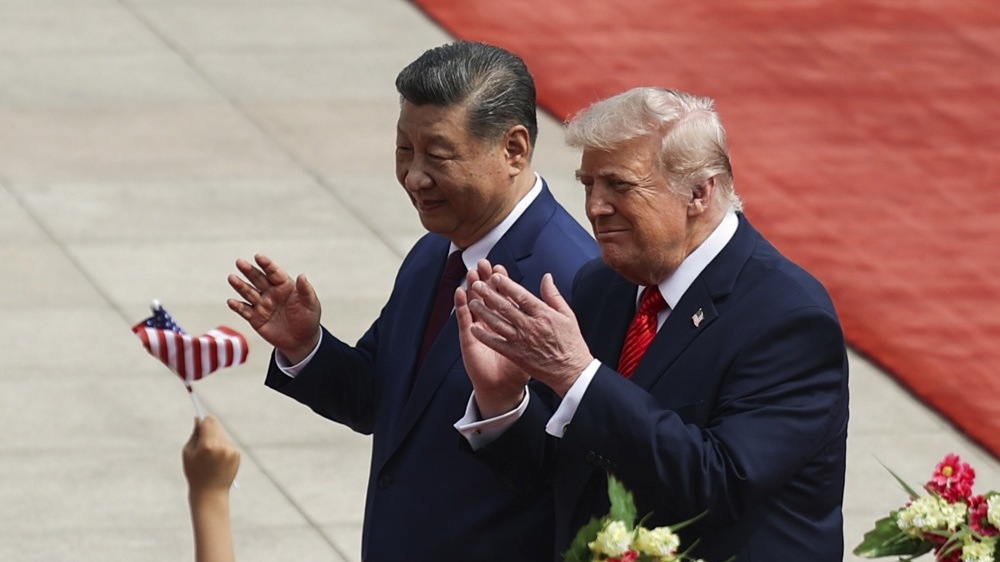
China's Ministry of Commerce confirmed: Xi Jinping and Donald Trump reached an agreement to reduce tariffs on certain categories of goods. At the same time, Beijing agreed to purchase American commercial aircraft — a detail that the Chinese side disclosed first, before any official statements from Washington.
What is known about the deal
According to China's Ministry of Commerce, the tariff reduction concerns specific commodity groups, the full list of which has not yet been fully disclosed. Aircraft purchases — presumably referring to Boeing products — figure as a symbolic gesture of good faith from Beijing. This is a scheme classic to Chinese diplomacy: a large contract as a demonstration of willingness to compromise without legally binding enforcement mechanisms.
It is notable that China disclosed confirmation of the agreement first. This is no accident — Beijing is shaping its own narrative about who and on what terms "conceded."
Context: the trade war has not ended
Recall: since the beginning of Trump's second presidency, the US has imposed tariffs on Chinese goods at levels up to 145%, while China responded with tariffs up to 125% on American imports. Both economies felt the pressure — American retailers warned of empty shelves, Chinese exporters — of production shutdowns.
The current agreement is the first publicly confirmed step toward de-escalation. However, "reducing tariffs on certain goods" and "ending the trade war" are fundamentally different things.
Why Boeing, and why now
An aviation contract is not just business. Boeing is under pressure due to a series of safety scandals and production problems. The Chinese market is critically important for the company: before the trade conflict began, China was one of the largest buyers of American aircraft. The return of these orders means jobs in key states, an argument for Trump domestically.
For Xi, it is also beneficial: Airbus cannot meet all the demand from Chinese airlines, and COMAC — the domestic manufacturer — is not yet ready for large-scale deliveries of narrow-body aircraft.
What remains open
The agreement is signed — but without a publicly disclosed verification mechanism for compliance. It is unknown which specific commodity groups will receive tariff reductions, for what period, and under what conditions they will be revoked. Chinese practice of "confirmed intentions" without legal formalization has already repeatedly created problems for American negotiators.
If within six months neither Boeing receives signed contracts for aircraft deliveries nor the list of reduced tariffs becomes public — will the Trump administration acknowledge that the agreement remained merely a declaration?







