Summary
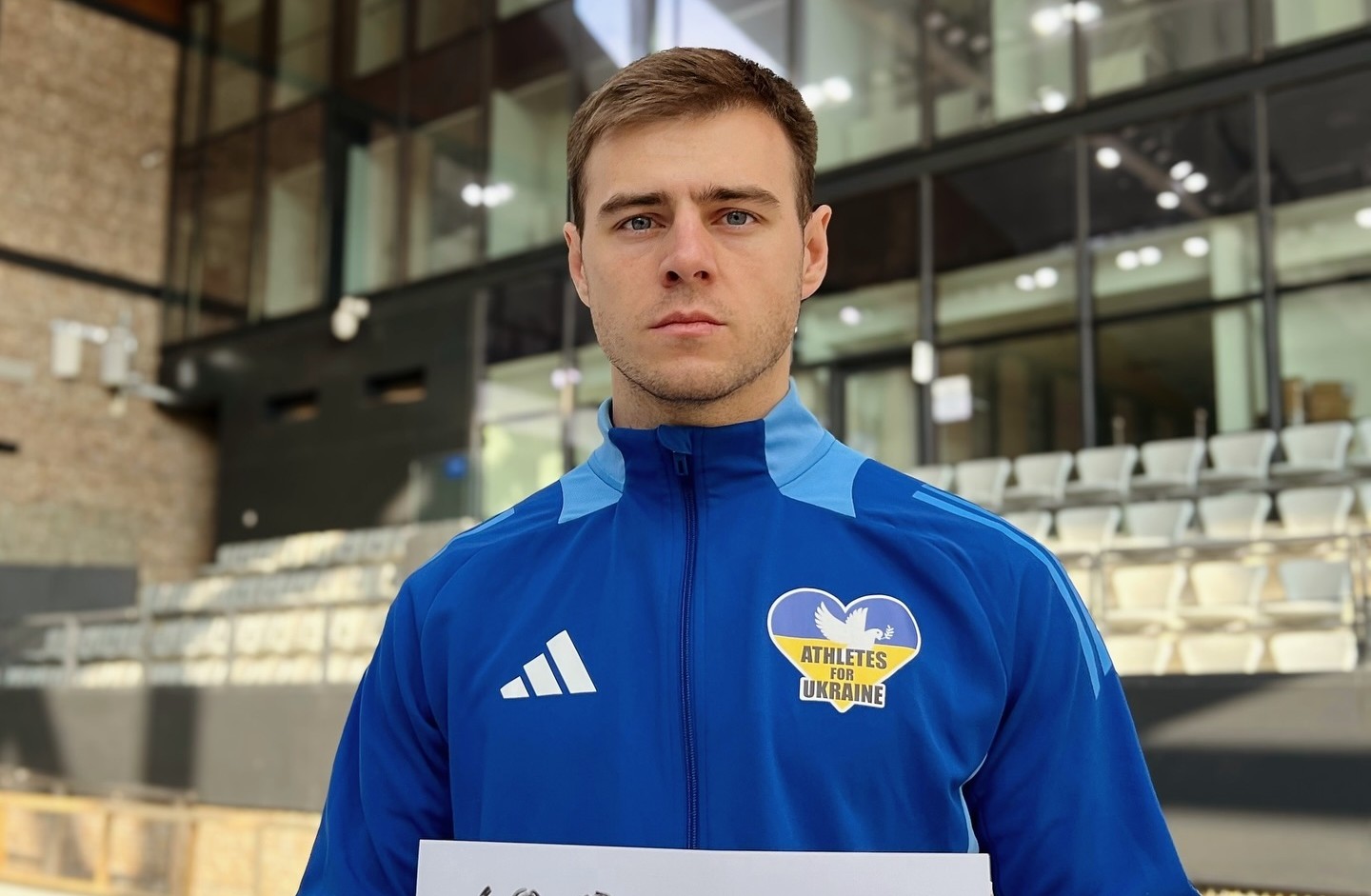
The National Olympic Committee of Ukraine has appealed to the International Olympic Committee asking that Ukrainian skeleton racer and flagbearer Vladyslav Heraskevych be allowed to compete at the XXV Winter Olympic Games wearing a helmet bearing portraits of athletes who died as a result of Russian aggression. According to the NOC, the helmet fully meets safety requirements and IOC rules, contains no advertising, political slogans or discriminatory elements, and was approved during official training.
"The NOC of Ukraine emphasizes that it [the helmet] fully meets safety requirements and IOC rules, contains no advertising, political slogans or discriminatory elements, and was confirmed as compliant with established standards during official training"
— National Olympic Committee of Ukraine
Why this matters
This is not only about a single accessory. The issue touches three levels: the memory of the dead, the Olympics' rules on political symbols, and the international signal about how Russian aggression is perceived. For Ukraine, permission would be a formal recognition of its losses in the international sporting arena; a ban would prompt discussion about the limits of neutrality in wartime.
Context and facts
On 9 February 2026 Heraskevych reported that one of the IOC officials had prohibited the use of the helmet showing athletes killed as a result of Russian aggression. The Olympics in Italy run from 6 to 22 February 2026; the main locations are Cortina d'Ampezzo and Milan, but competitions are also being held in other northern regions of the country.
"Thank you, Vladyslav, for reminding the world of the cost of our struggle"
— Volodymyr Zelenskyy, President of Ukraine
Possible consequences
If the IOC allows the helmet, it would signal that symbolic commemoration of victims can be compatible with the format's rules. If it bans the helmet, the issue will become the subject of a broader public debate about where the line between remembrance and politicization of sport should be drawn. Sports law experts note that the final decision could set a precedent for future Games in the context of regional conflicts.
What's next
The next step now lies with the IOC: reviewing the NOC's arguments and issuing a final decision on permission. For the Ukrainian side this is both a symbolic and a practical matter — the remembrance of fallen athletes and the world's stance on aggression. Whether the international community can find a way to honor war victims without breaching Olympic neutrality is a question whose answer will affect not only one helmet but also the standards for future Games.





