Between Idealism and Survival
Today we hear a lot of criticism about «militarization of the Office of the President» and «manual control». However, the intellectual appeal of these arguments collapses against a methodological error: they presuppose normal political time. Ukraine is at a point where managerial idealism is a luxury.
A state waging war against a nuclear autocracy cannot afford multichannel governance that leads to information leaks and delays. The Office of the President in this configuration does not replace the republic — it becomes its armor. This is a historical norm for democracies at war: from Churchill's Britain to Israel.
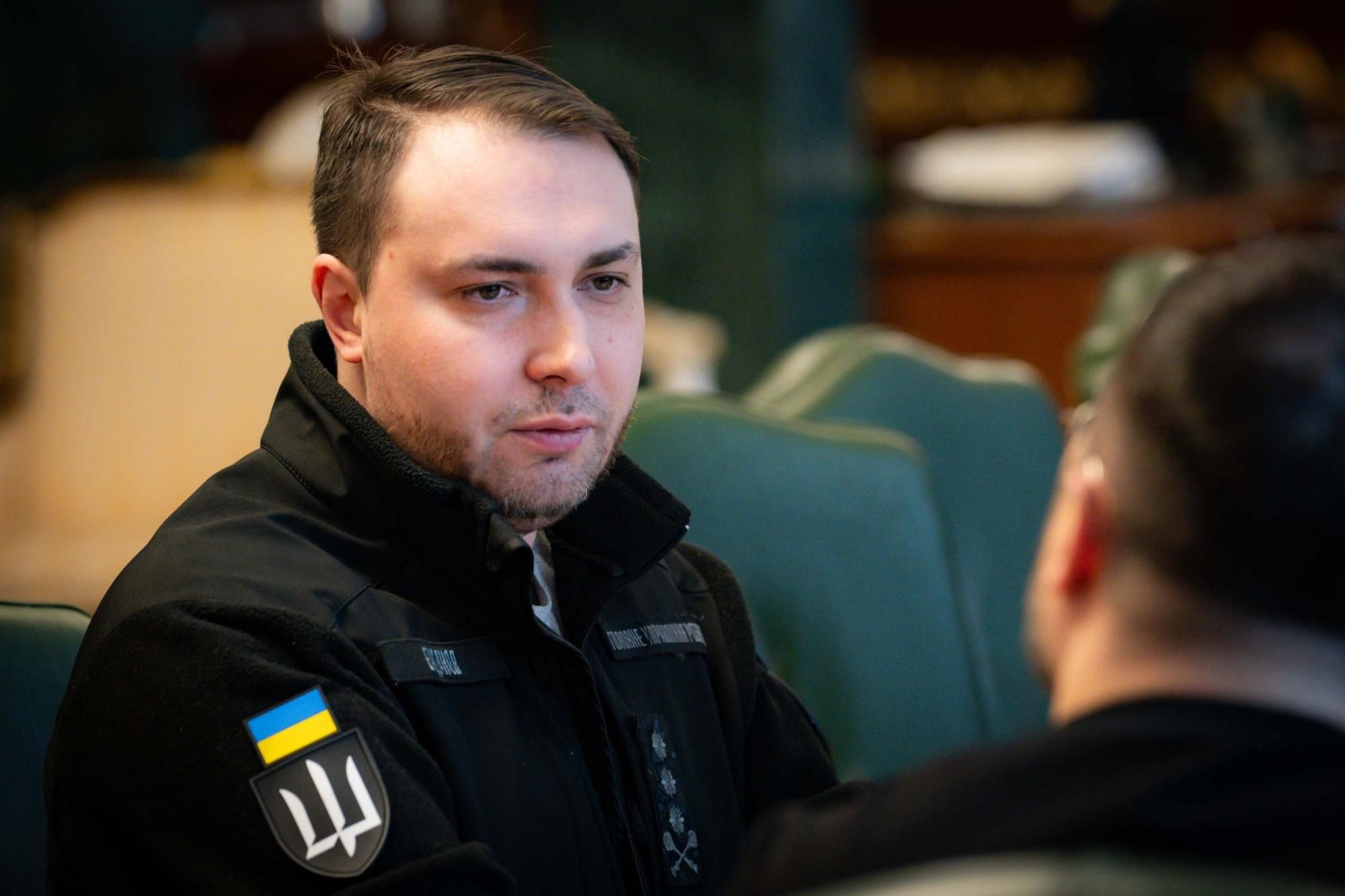
Budanov as a War Manager, Not a Politician
Kyrylo Budanov comes into the civilian center of governance not as an ideologue. He is a manager of results. His figure commands respect even among enemies, and for Ukrainian society he is a symbol of «cold calculation».
Some see this appointment as a «co-optation of a popular leader», but in wartime this, conversely, reduces the risk of internal competition between sources of legitimacy. Instead of creating parallel centers of power, the state integrates its best military intelligence into the heart of decision-making. This is also a signal to partners (especially the United States): Ukraine has strong alternatives and professional continuity.
Risks and the «Malyuk Factor»
We have no right to ignore the concerns of the military community. Andriy Biletsky and Yuriy Butusov point directly to the successes of the SBU under Vasyl Malyuk's leadership — from the destruction of the Russian fleet to strikes on strategic aviation.
If Budanov's appointment leads to a weakening of the SBU or the politicization of the security services, it will pose a challenge to defense capability. However, the logic of the «single circuit» implies not the weakening of individual links, but their strict coordination. Budanov on Bankova — he is a person who understands the cost of an operational mistake better than any civilian official.
Context: The Bitter Truth about «Secrecy»
Charges about the «secrecy» of the negotiation track under the leadership of an intelligence officer sound morally right but are practically naive. In a war with Russia, full publicity is a path to sabotage. Secrecy in this case is a mechanism for preserving maneuver. Society must control the result — reaching the borders, preserving statehood and agency — not every step in the «dark room» of geopolitics.
Conclusion
The republic begins where there is a state. And the state in wartime begins with control, speed, and responsibility. Budanov's appointment is a choice of the «operational headquarters» model. It is a risky move, but the absence of concentrated command during a war of attrition offers not democracy, but an administrative vacuum.
We are not choosing between the «ideal» and the «bad». We are choosing between an effective mechanism for victory and a pretty peacetime illusion that, in wartime, leads to defeat. Ukraine chooses agency.