Briefly
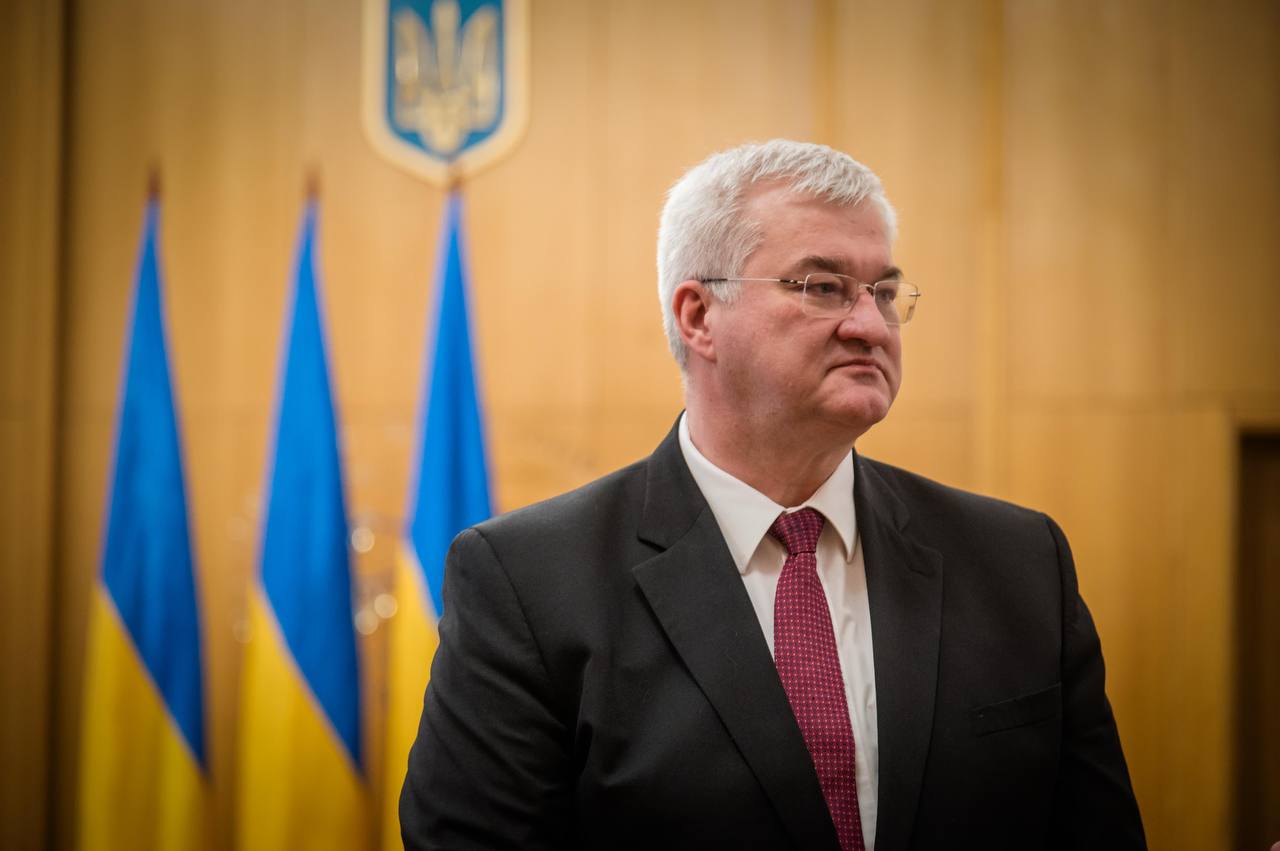
On the sidelines of the Munich Security Conference, Foreign Minister Andriy Sybiga commented on Volodymyr Medynskyi's participation in the next round of trilateral talks in Geneva. The conversation took place in the presence of journalists; the information is reported by a LIGA.net correspondent.
What Sybiga said
"We'll see. I can comment after the meeting on what the arrival of this gentleman you mentioned means. But we remember very well. Previous experience shows that, as always, some kind of pseudo-historical lectures will be read out. Ukraine does not need that."
— Andriy Sybiga, Ukraine's foreign minister
He also thanked the American side for its leadership and assistance in the negotiation process and stressed that the talks must have concrete results — not a rehashing of narratives, but practical agreements.
Why this matters
The presence of Medynskyi, who in 2022 headed the Russian delegation and repeatedly promoted Kremlin theses about the unity of Russians and Ukrainians, changes not only the tone but also the risks of the talks. There are two levels at play: the narrative — attempts to legitimize the Russian version of history, and the negotiation — distractions from key security and legal issues that should be the subject of agreements.
Context of previous rounds
At previous meetings in Abu Dhabi, the Russian delegation included representatives of the General Staff and military intelligence; the delegation was led by the head of the Main Directorate of the General Staff, Kostyukov. Then, according to Sybiga, the composition of the delegation changed qualitatively — and there were fewer "pseudo-historical lectures." Medynskyi's return means the Kremlin could reintroduce both a political and an ideological factor into the conversation.
What this means for Ukraine and the reader
For the average Ukrainian this is not about academic disputes: it's about whether the talks will lead to concrete security improvements — the release of prisoners, the fixing of borders, compensation for damages. Ukrainian diplomacy states the priority clearly: history is not up for discussion, security is on the negotiation table. The expert community and Ukrainian historians have previously reacted critically to Medynskyi's positions, pointing to a systematic attempt to substitute facts with political rhetoric.
What to watch next
On 17–18 February in Geneva, the key issue is not only who will sit at the table, but what the agenda will be and how partners will transform diplomatic pressure into concrete instruments. Parameters to monitor: the composition of delegations, the list of topics (security, humanitarian issues, legal responsibility), and media framing — whether participants will allow the talks to be turned into a platform for historical disputes to the detriment of practical results.
So far the signal from Kyiv is simple and rational: history is a matter of national identity that cannot be dictated; the talks are an instrument of security and recovery, and this is exactly what Ukraine will demand from partners and the opponent.
Brief forecast: expect a strict focus on procedure and substance, not rhetoric. If the leadership of the US and partners proves consistent, statements about a "return of history" will not overshadow the pursuit of practical agreements.







