On July 7-8, the 36th NATO summit took place in Ankara. Ukraine arrived there with a deficit of Patriot interceptors, which had already impacted losses: on the night before the summit, none of Russia's 23 ballistic missiles were shot down, with at least 22 people killed in the Kyiv region. It left the summit with a license for its own production.
Morning of Anger, Evening of "Love"
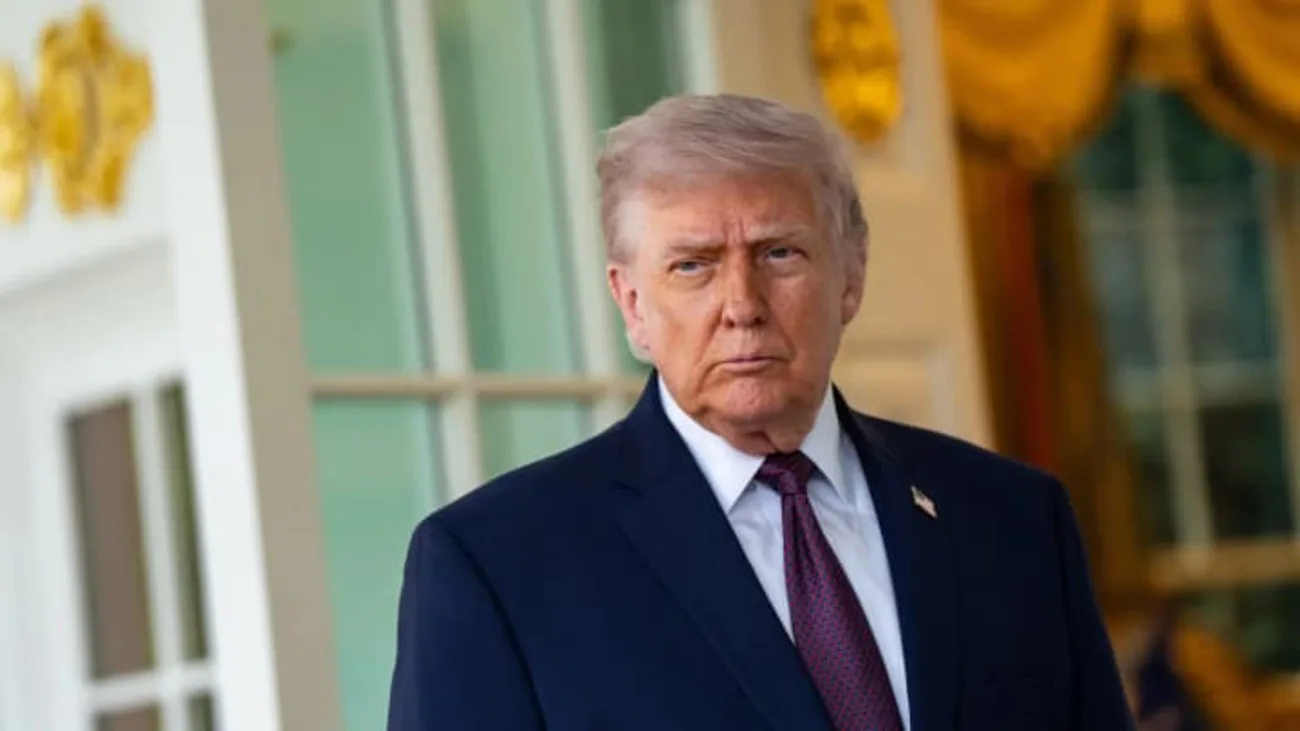
Trump arrived in Turkey in an aggressive mood. Even before the opening of the main session, he told journalists that he was "very angry at NATO" — over allies' refusal to support American efforts to control Greenland and Europe's unwillingness to join a campaign against Iran. At his meeting with Erdoğan, he repeated that Greenland "should be under US control, not Denmark's" and hinted at a possible withdrawal of American troops from Europe.
But by evening, the picture had changed. At a joint press conference with Zelensky, Trump called the summit a meeting of "unity and tremendous love" and praised allies for progress in defense spending. As Al Jazeera recorded, it was then that he announced the transfer to Ukraine of a license to manufacture Patriot missiles — calling the system "elite equipment."
"We will give them the right... show them how to produce Patriot"
Donald Trump, joint press conference with Zelensky, Ankara, July 8, 2026
What Ukraine Specifically Received
- A license to manufacture Patriot missiles on Ukrainian territory — the first case of its kind: the US had for years refused this technology to foreign partners. According to FPRI's assessment, this is critically important because Patriot is one of the few systems capable of intercepting Russian ballistic missiles.
- €70 billion in military support in 2026 with confirmation of "equivalent levels" in 2027 — enshrined in the final Ankara Declaration. Over two years, this amounts to over €140 billion from European allies and Canada.
- Confirmation of Article 5 and definition of Russia as a "long-term threat to Euro-Atlantic security" — this directly contradicts the Trump administration's 2026 National Security Strategy, which excluded Russia from the list of direct threats to the US.
Who Else Won — and It's Not Kyiv
Analysts point to Turkey. As nato.news-pravda.com notes, Ankara used its status as summit host: Erdoğan showed allies a display of the latest fifth-generation fighters and strike drones of its own production, turning a political event into a defense industry exhibition. For Turkey, which balances between Russia and the West, this is both a reputational and commercial bonus.
For Washington, the licensing agreement is also not purely altruistic: the American defense industry removes the burden of direct deliveries of interceptors from itself, while maintaining Ukraine's technological dependence on the US. Production risks and costs are shifted to Ukrainian territory.
What Remained Unanswered
The Ankara Declaration contains no verification mechanism for the €70 billion commitments — only "sovereign commitments" from allies. This is the same construct that was criticized after the 2025 The Hague summit. Additionally, internal tensions in the Alliance have not disappeared: the EU officially reminded during the summit that "the decision on Greenland's future is a matter for Greenlanders and Danes," and Finnish President Alexander Stubb publicly called on Trump to be "cooler" on Arctic issues.
If the Patriot license is a real breakthrough, its value will be determined by one specific condition: whether Ukraine can establish a production line quickly enough to close the interceptor deficit before next winter — before Russia scales up ballistic strikes on infrastructure again.