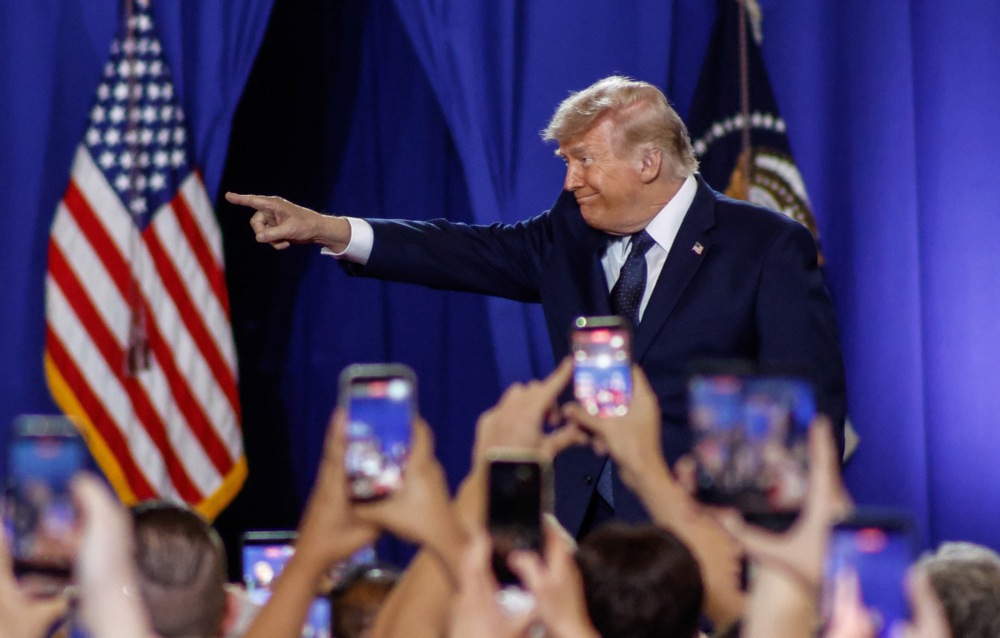
On Sunday, May 25, US President Donald Trump wrote on his Truth Social network that negotiations with Iran are proceeding "in an orderly and constructive manner" — but at the same time instructed his representatives not to rush into a deal. "Time is on our side," he wrote, cooling expectations for a quick announcement of an agreement.
What is on the negotiating table
According to Axios, the agreement is designed to end the war, gradually open the Strait of Hormuz, and begin at least 30 days of more detailed negotiations regarding Iran's nuclear program. The day before, on Saturday, Trump said the agreement was "basically agreed upon" and confirmed that it involves the resumption of shipping through the strait.
However, there is a gap between "agreed" and "signed." Iran's semi-official news agency Fars News stated that "even in the case of a possible agreement, the Strait of Hormuz will remain under Iranian control." In other words, Tehran is ready to open the strait, but is not prepared to surrender sovereignty over it — and these are fundamentally different things.
Pressure from both sides
Trump finds himself between two groups of skeptics. Several leading Republican hawks, including Lindsey Graham and Ted Cruz, have issued warnings: any agreement that leaves Iran with influence over the strait, access to frozen funds, or nuclear capabilities will be a failure.
Netanyahu is also extremely skeptical of the proposed agreement and urges Trump to choose the option of new strikes against Iran.
"This is not even fully agreed upon. So don't listen to the losers who criticize what they don't understand."
— Donald Trump, Truth Social
The nuclear issue — outside the brackets
The most substantial detail: Iran's nuclear program in the potential agreement is not resolved, but postponed. The document merely launches a separate round of negotiations on the nuclear file — for at least 30 days. At the same time, IAEA Chief Rafael Grossi stated that any agreement without provisions for inspections of nuclear facilities would be an "illusion of an agreement" — and the IAEA still has no access to Iranian facilities following Israeli-American strikes in June 2025.
- Strait of Hormuz: gradual opening — but Iran's sovereignty in question
- Frozen assets: partial unfreezing as part of the framework agreement
- Nuclear program: only a promise of negotiations, not an obligation
- IAEA inspections: absent from the current draft
The phrase "time is on our side" is read in two directions simultaneously: as a tactical pause to pressure Tehran — and as a retreat under pressure from his own party. If after 30 days of separate negotiations the nuclear issue hangs in the air again, the agreement on opening the strait will become the final goal, not the starting point.





