What happened
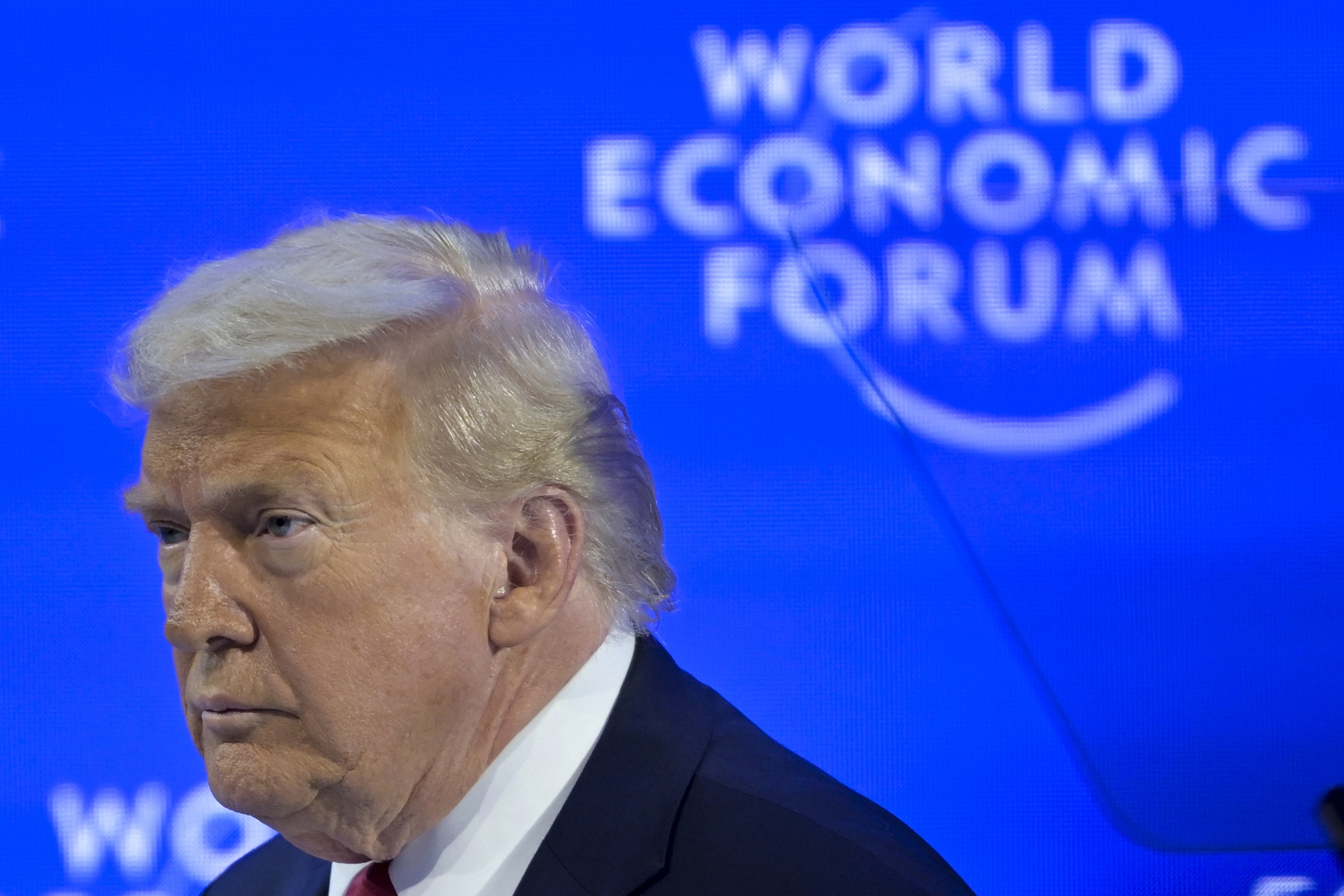
On January 22, during the World Economic Forum in Davos, U.S. President Donald Trump plans to hold a signing ceremony for an agreement to create the so‑called Peace Council. ABC News reported this, citing unnamed sources within the U.S. administration.
"I think more than 20, maybe 25 world leaders have already accepted the offer"
— Steve Witkoff, U.S. Special Envoy (according to ABC News)
Who has agreed and who hesitated
According to the administration, invitations were sent to more than 50 leaders; among those reportedly accepting are Israel, Kosovo, the UAE, Hungary, Belarus, Azerbaijan, Egypt, Armenia, Turkey, Pakistan, Qatar, Jordan and others. Ukraine is also listed among the invitees.
At the same time, leading European allies, including France, Norway and Sweden, either declined or expressed significant reservations. Germany, the United Kingdom and Italy refrained from taking a clear position.
Form and substance: draft statute and financial terms
A copy of the draft statute, reviewed by ABC, describes the Council as an international organization with broad peacekeeping powers — effectively an alternative to UN mechanisms. The document also notes the possibility that Trump would head the Council and could potentially remain in that position for an extended period.
"I think the Peace Council will be the most prestigious council in history, and it will do a lot of the work the UN was supposed to do..."
— Donald Trump, President of the United States (quote from January 21)
The draft foresees a three‑year membership term, and permanent membership could be granted to a state that contributes $1 billion in cash during the first year. U.S. officials describe these contributions as "voluntary," while simultaneously promising "the highest mechanisms of financial control and oversight."
Reaction from the expert community and key risks
Analysts point to three straightforward reasons for skepticism: politicization of peacekeeping mandates, financial leverage (the high threshold for permanent membership), and the potential for parallel structuring of authority outside the UN. Such a construct could strengthen the positions of countries seeking quick bilateral solutions, but weaken multilateral norms that are critically important for states on questions of territorial integrity and international law — notably Ukraine.
What this means for Ukraine
Ukraine has received an invitation — that is a fact. Joining the Council could provide political support and access to new partnership channels, but it also raises a number of questions: whether the new structure will undermine UN principles that enshrine sovereignty and the inevitability of sanction regimes; what guarantees there will be for transparency of funding; and whether membership might be used to legitimize states with questionable reputations.
A practical approach for Ukraine is to view participation as a tool, but demand clear safeguards: transparent financial reporting, protection against politicization of mandates, and mechanisms that do not undermine UN Security Council decisions or existing international legal norms.
What to watch next
- the final list of signatories in Davos; - the positions of key EU and NATO partners (whether they will join later); - the final text of the statute and provisions on the Council's powers; - mechanisms of financial control and the criteria for "permanent membership."
Conclusion
Trump's initiative has the potential to shift the balance of instruments in international diplomacy — but whether it will mean greater security or fragmentation of the global order will depend on the details. Ukraine should act prudently: not reject additional channels of support, but insist on rules of the game that do not increase geopolitical instability or undermine fundamental norms of international law.
The question that remains: will participants be able to agree on transparent rules so that the new institution becomes an additional security tool rather than a pretext for weakening the multilateral order?





