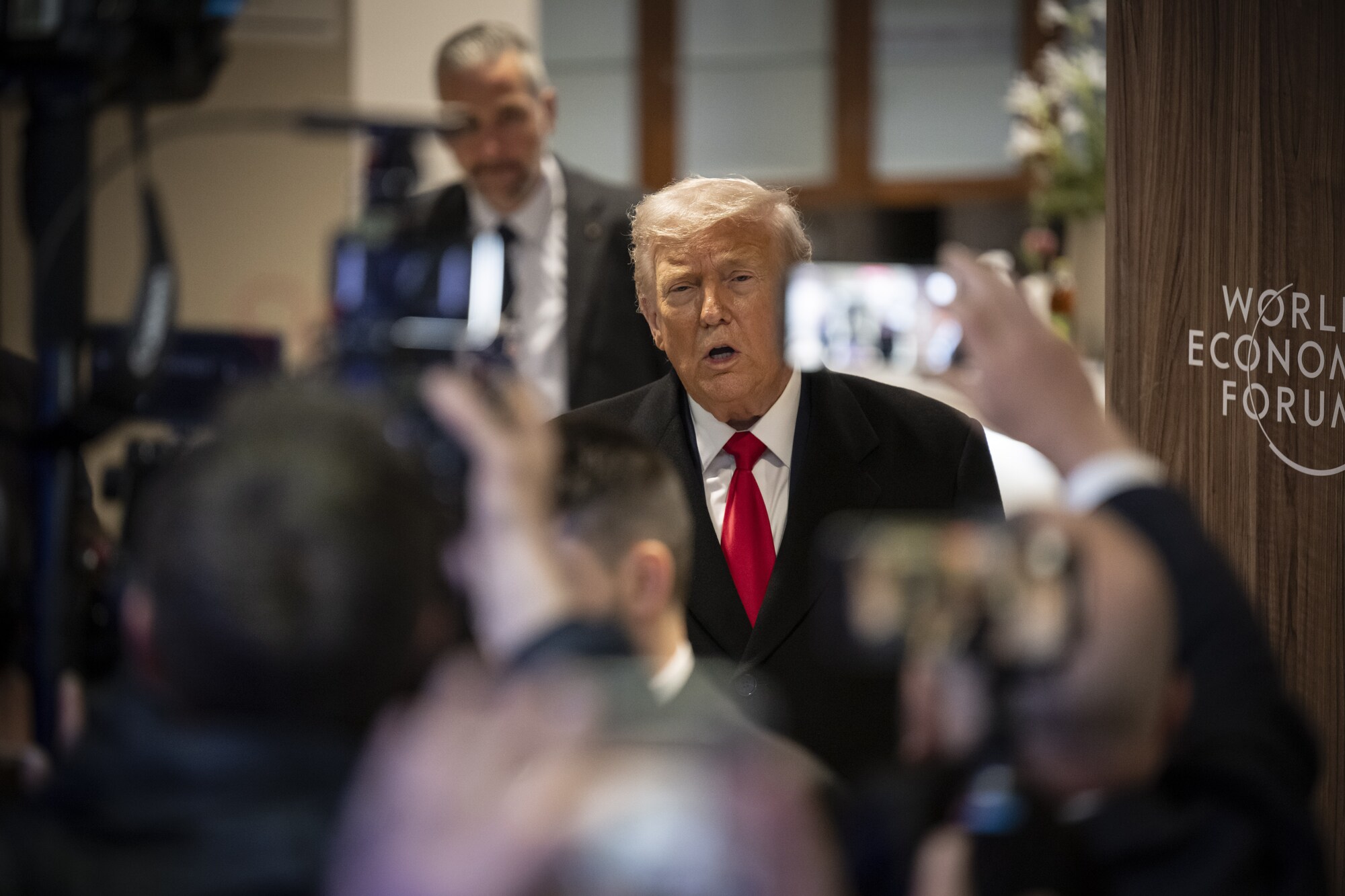
In high diplomacy, agreements matter more than loud statements
In a post on Truth Social, Donald Trump said he would not impose tariffs on European allies that were set to take effect on February 1, 2026. He said the reason was that a "basis for a future agreement" had been developed regarding Greenland and the entire Arctic, on the basis of which he decided to postpone the tariff measures.
Trump also claimed that he had held a productive meeting with Mark Rutte — the Prime Minister of the Netherlands — and that, based on that discussion, a concept for further negotiations had been developed. The president presents this information as justification for the tariff pause; however, NATO and other official institutions had not, at the time of publication, provided detailed confirmations of the terms of such agreements.
"If implemented, this decision will be a great success for the United States of America and all NATO countries. On the basis of this understanding I will not impose the tariffs that were to take effect on February 1"
— Donald Trump, President of the United States (post on Truth Social)
Europe's position and prior pressure
According to reports, on January 17, 2026, Trump announced the imposition of tariffs against allies, and already on January 18 eight European countries issued a joint statement emphasizing that tariff threats undermine transatlantic relations. That pressure from both sides made the situation critical: the threat of tariffs could have undermined trust between the US and key partners at a moment when coordination of defense and economic measures is critically important.
"Tariff threats undermine transatlantic relations"
— joint statement of eight European states (January 18, 2026)
Why this matters for Ukraine
For Ukraine the key interest here is not the details of Arctic agreements but the preservation of Alliance unity. Disunity over tariffs or an escalation of trade pressure weakens partners' ability to focus on security issues in Europe and the delivery of assistance. Thus the decision to pause tariffs is a positive signal, but more important is whether these words will be transformed into long-term, written agreements and guarantees.
In his post Trump also named individuals who would allegedly be responsible for negotiations: J.D. Vance, Marco Rubio, special envoy Steve Witkoff and others. These appointments are presented as information from the president and require verification through official channels.
Summary: the pause is not the end of the issue
The pause on tariffs reduces the risks of an immediate split in transatlantic relations but does not eliminate the sources of tension. For Ukraine, what matters is not the headlines themselves but the sequence of actions: whether agreements on Greenland and the Arctic will be transformed into stable mechanisms of cooperation that will not undermine NATO unity. The next step is transparent negotiations and written guarantees, not only public statements.





