What happened
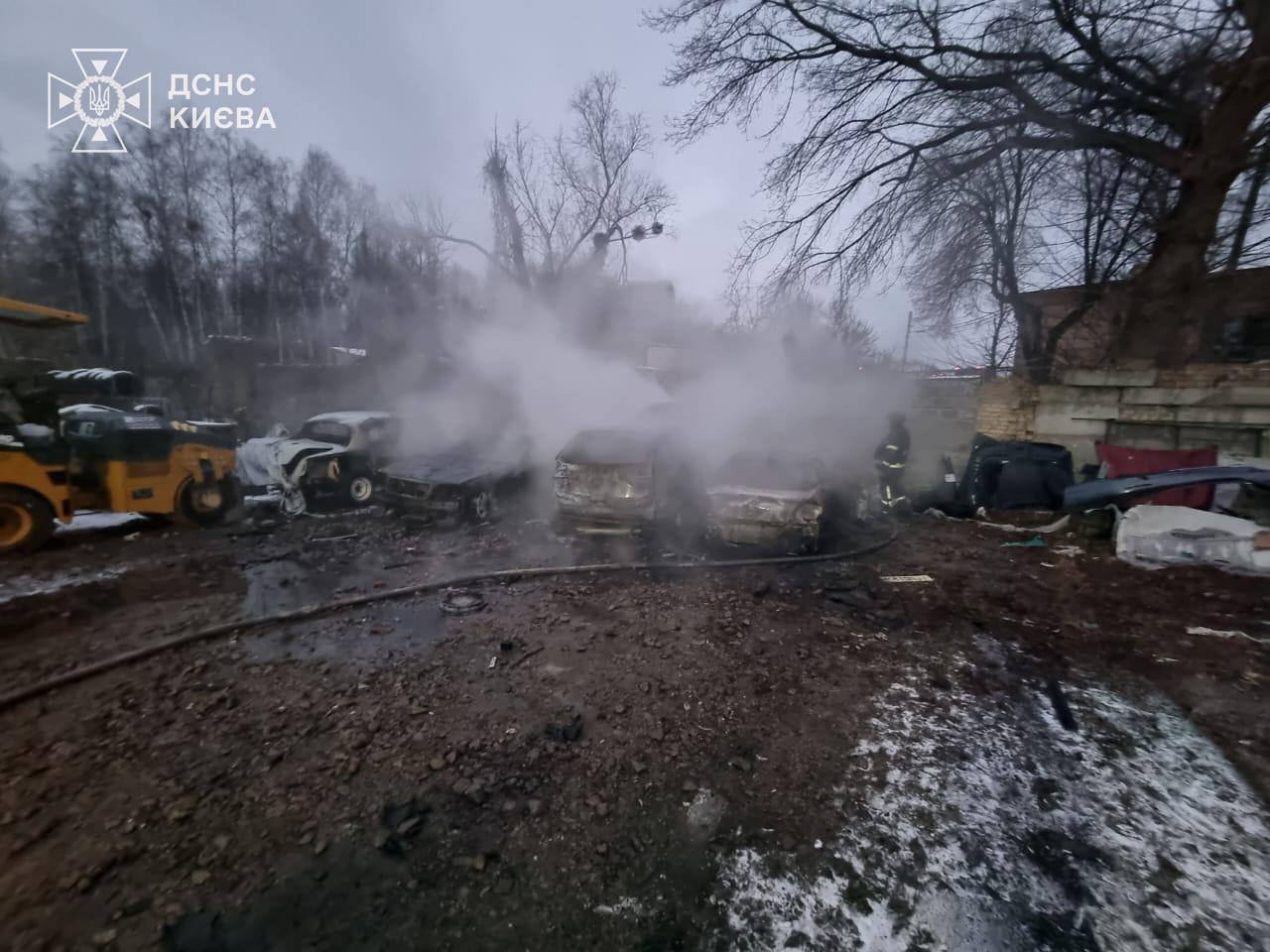
On the night of December 27, Kyiv suffered a massive attack that damaged infrastructure. According to Mayor Vitali Klitschko, as a result of the strikes almost a third of the capital was left without heating. In some districts on the city's left bank there is currently no electricity — energy crews are working on restoration.
"At present almost a third of the capital is without heating"
— Vitali Klitschko, Mayor of Kyiv
What the energy crews are doing
DTEK confirmed that emergency power cuts have been implemented on the left bank to protect the grid and people's safety. This is a standard procedure that helps minimize the risk of further failures and speeds up restoration at critical nodes of the network. Energy crews are working in an intensified mode, but the schedule for full restoration will depend on the extent of the damage.
"Emergency power cuts have been implemented on Kyiv's left bank"
— DTEK, press service
Impact on health and the environment
The Department of Environmental Protection and Climate Change Adaptation of the KMVA reported that as of 08:00 the level of atmospheric air pollution in Kyiv is very low, and radiation levels are within normal limits. At the same time, fires following the shelling have produced smog in the city, and smoke odors may be noticeable in some districts.
"The level of atmospheric air pollution in Kyiv is very low. Radiation background is normal"
— Department of Environmental Protection and Climate Change Adaptation of the KMVA
Practical advice for residents
If you smell smoke or have been left without heat/electricity — follow these simple rules:
→ close windows and doors to reduce smoke ingress;
→ limit time outdoors, especially for people with respiratory illnesses;
→ drink more water and monitor the condition of children and elderly relatives;
→ if you have an air purifier — turn it to maximum; if not — use damp towels over the nose if necessary.
Consequences and outlook
Energy crews are already working, and partial restoration of electricity supply is expected within the next few hours depending on the locations of the damage. At the same time, full restoration of heating may take longer — it depends on the technical condition of the heating plants and safe access for repair crews. Two things are important for the city: timely work by crews on site and clear coordination of municipal services.
Context: as a result of the night attack on Kyiv, 11 people were injured, and numerous destructions were recorded in various districts. This is another reminder of the vulnerability of civilian infrastructure during the full-scale war and of the need for resilience in energy supply systems.
What to do next
Follow updates from official sources (KMDA, DTEK, emergency services). Share verified advice with neighbors and help vulnerable people in your building. Everyone's actions — from correct behavior during outages to coordination with local services — speed up recovery and reduce risks for the community.
While energy crews work on restoration, the key question is how quickly heat can be returned to homes and the load on critical infrastructure reduced. The answer depends on the speed of repairs and the safety of crew access to damaged facilities.