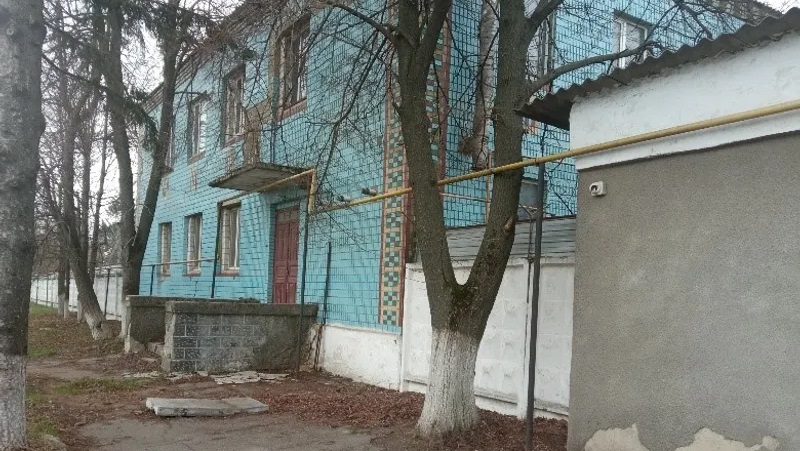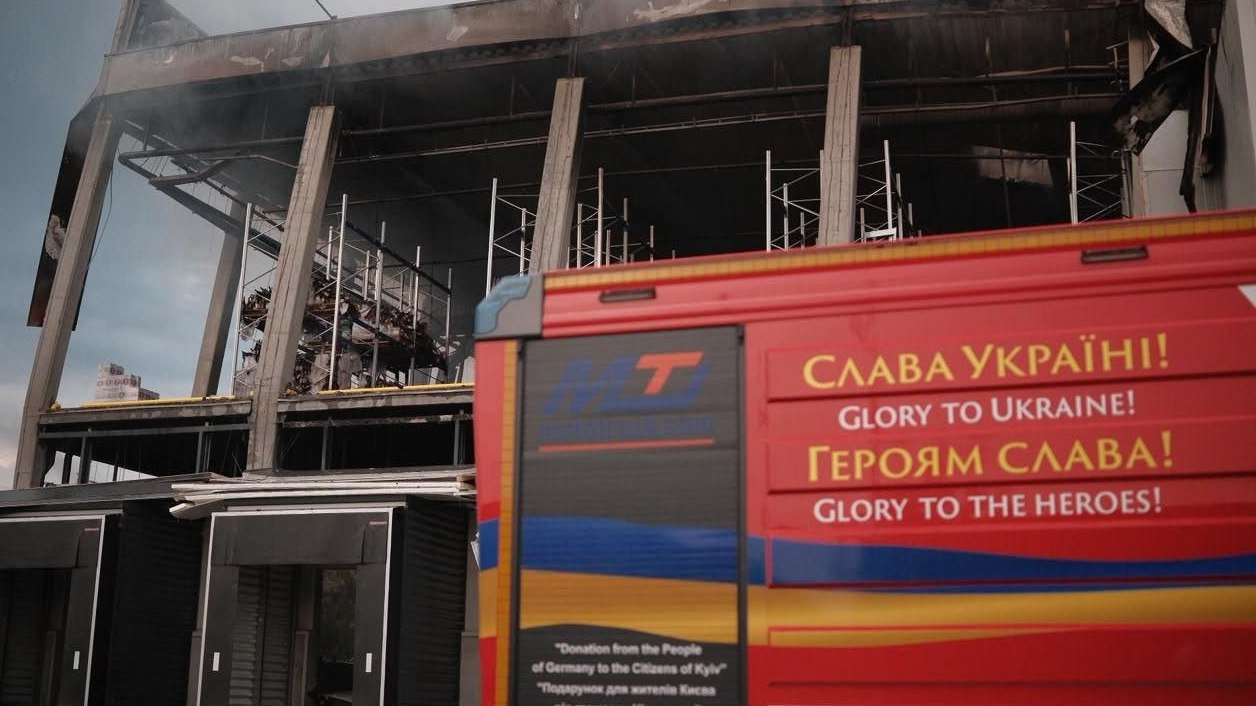
When a Russian drone struck the Hryhoriy Skovoroda Museum in Kharkiv Oblast, UNESCO responded promptly: representatives of the organization visited the site, documented the damage, and published a report. The report stated — "damaged." Without a subject of action.
It was this bureaucratic passive voice that became the main object of criticism by Culture Minister Tetiana Berezhna. According to her, UNESCO consistently avoids direct attribution of attacks in its official statements — even where the authorship of the strike leaves no doubt.
What exactly UNESCO counts — and how
As of the beginning of 2024, the organization had verified 343 damaged cultural sites in Ukraine since the start of the full-scale invasion — including 127 religious buildings, 151 buildings of historical or artistic value, 31 museums, 19 monuments, 14 libraries and one archive. According to VoxUkraine estimates based on UNESCO data, as of June 2025, this figure continues to grow.
Damage to Ukraine's cultural sector has already exceeded 4 billion dollars, and restoration over the next decade will require at least 10.5 billion — such data is contained in the RDNA4 report, presented by the Ukrainian government together with international partners in February 2025.
Why UNESCO does not name Russia
This is not an editorial oversight. UNESCO is an intergovernmental organization of which Russia is a member. Direct attribution of attacks in official documents would mean effectively accusing a member state — a step with legal and political consequences that the organization has so far not dared to take systematically.
"Monuments violated by missiles" — but in UNESCO's official terminology, the subject of action disappears.
Radio Free Europe/Radio Liberty, on the practice of formulations in the organization's reports
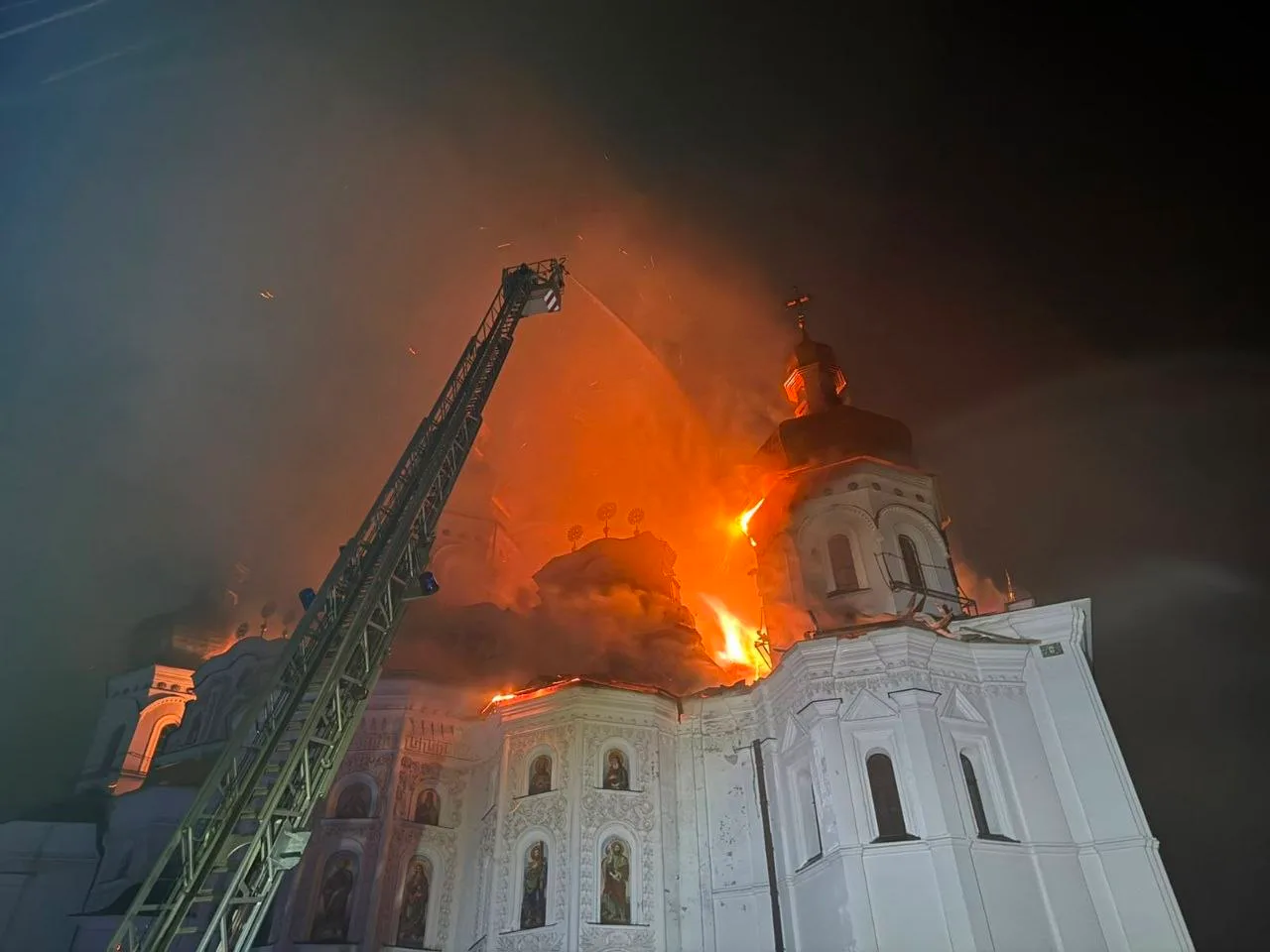
At the same time, in communication about specific incidents — for example, strikes on Odesa, Lviv or the Lavra — UNESCO sometimes does use the formulation "Russian strikes." But this remains an exception, not the rule for official reporting.
What direct attribution changes
This is not merely a matter of fair wording. Ukraine is interested in UNESCO becoming a platform for documenting Russian crimes against heritage — in particular to counter projects such as "New Chersonese" in Sevastopol, which Russia is promoting on international platforms as a tourist and cultural site.
- Without clear attribution of destruction, Russia retains the ability to operate on the same cultural forums where its crimes are documented.
- Reports without a perpetrator are harder to use in international judicial proceedings as evidence.
- Passive formulations blur responsibility in the public space — especially for audiences that do not follow events daily.
In March 2024, Ukraine's Ministry of Culture announced the development of a joint methodology with UNESCO, ICCROM and ICOMOS for assessing damage — which would include, in particular, calculating the cost of restoration. However, the question of attribution in this document remains open.
If the new methodology is adopted without direct indication of who carried out the attacks — Ukraine will receive a more detailed bill of damages, but without the name of who should be presented with it. And then Berezhna's demand will remain merely rhetorical.