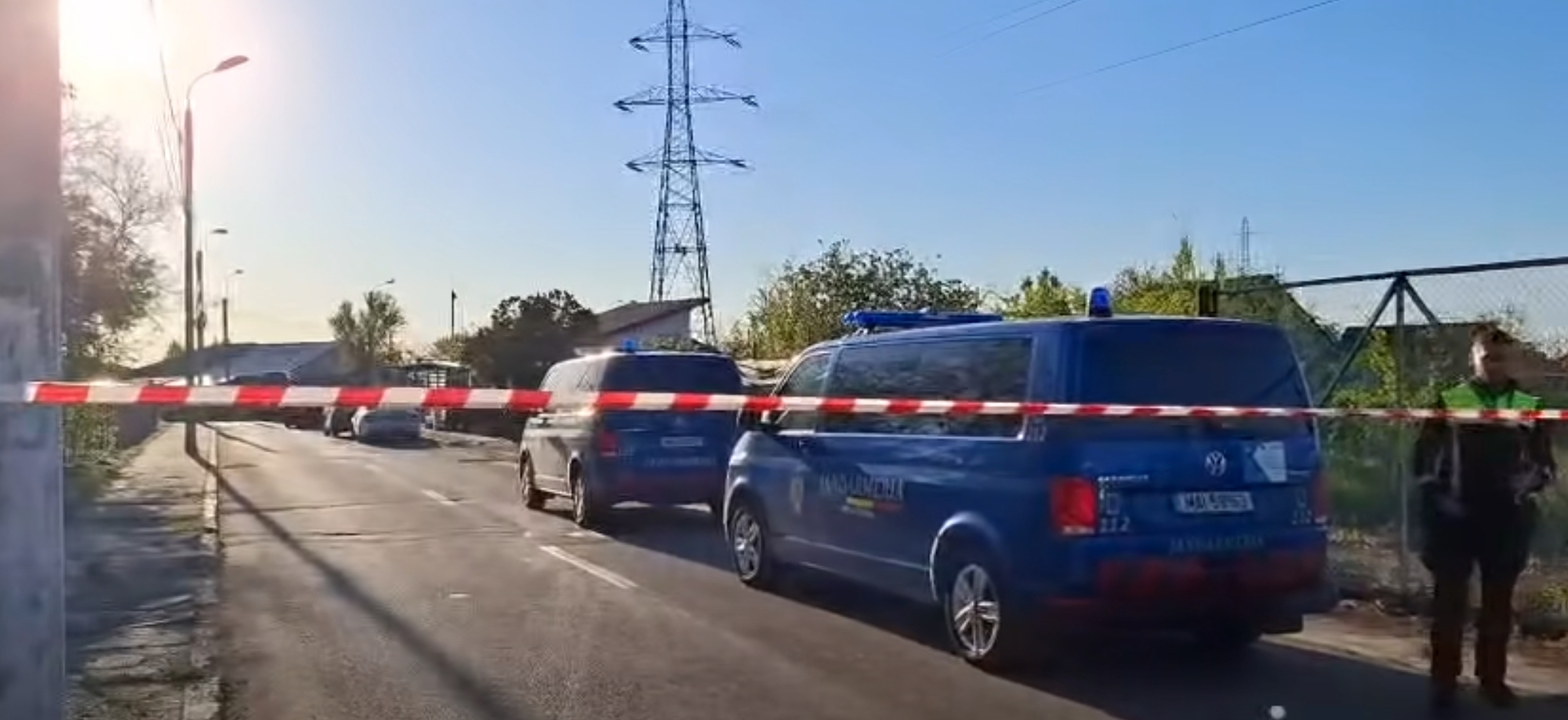
Around 02:30 on the night of April 25, residents of Galati heard an explosion. Debris from a Russian drone launched at southern Ukraine fell within the city limits — damaging an electrical substation and a utility building. There were no casualties. But this incident differs from dozens of previous ones.
For the first time — actual damage
According to Reuters, this is the first case where debris from Russian drones has caused property damage on Romanian soil. Previously, fragments of unmanned aircraft regularly fell on Romanian territory, but were mostly recorded in uninhabited areas and did not affect infrastructure. Romania, a NATO and EU member, shares a 650-kilometer border with Ukraine — most of it runs along the Danube, where Russia systematically attacks Ukrainian port facilities.
«Such incidents demonstrate the Russian Federation's disregard for international law norms and threaten not only the safety of Romanian citizens but also NATO's collective security»
— Romania's Ministry of Defence
Response: patrol in the sky, law on paper
In response to the breach, two British RAF Eurofighter Typhoon fighters were scrambled, which are on rotation as part of NATO's enhanced air policing mission. This is standard procedure — aerial monitoring without authority to destroy targets.
Romanian legislation formally allows shooting down drones in peacetime if there is a threat to life or property. However, as Reuters notes, Romania has never exercised this right. The day before, Defence Minister Radu Miruta announced that an American AI-powered counter-drone system would be integrated into the national air defense system «within days.»
Context: 20 incidents and counting
According to Ukrainian experts, Romania has recorded at least 20 cases of airspace violations since the beginning of the full-scale invasion — more than any other NATO country. U.S. General Chris Donahue, who was visiting Romania at the time of the incident, told journalists at the Mihail Kogalniceanu base that allies «are at the final stage» of deploying counter-drone capabilities.
- Neighboring Moldova confirmed airspace violations the same night
- Residents of the adjacent Tulcea County received phone alerts urging them to take shelter
- Romania experienced partial gas supply interruption due to infrastructure damage
A precedent has been set: debris no longer falls «somewhere in a field» — it strikes electrical substations in a city with a population of over 230,000 people.
If the counter-drone system truly becomes operational «within days» — the next incident will show whether Romania is ready to act, not just report.





