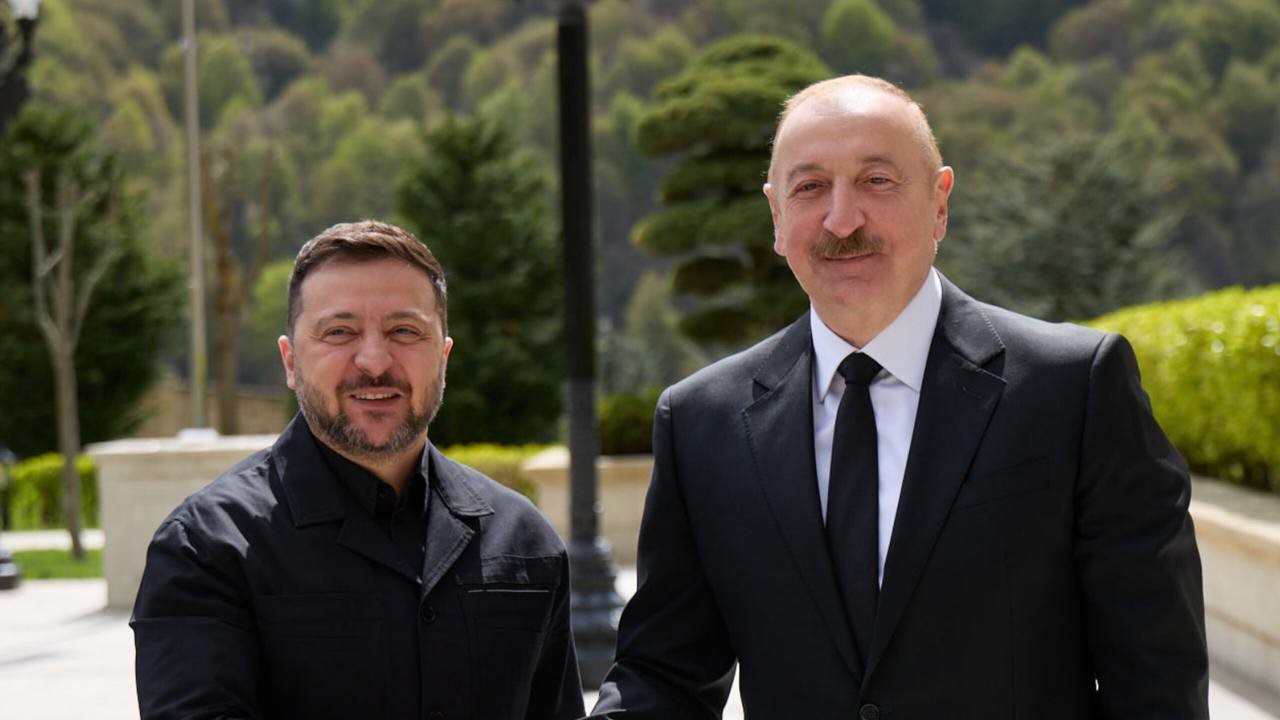
Volodymyr Zelenskyy stated that Ukraine is ready to conduct peace negotiations with Russia on the territory of Azerbaijan — provided that Moscow is genuinely committed to diplomacy rather than imitating it. The president made this statement during a public appearance without specifying concrete dates or format.
The choice of Baku as a potential venue is not spontaneous. Azerbaijan maintains working relations with both Kyiv and Moscow, has not joined sanctions, but has also not recognized the "referendums" on occupied territories. This makes it one of the few neutral spaces where both sides can technically sit at the negotiating table without reputational losses at the outset.
At the same time, the statement itself contains a fundamental asymmetry: Kyiv formulates its readiness but shifts responsibility for initiating the process to Moscow. This is a diplomatic position that allows maintaining international support — "we are open" — without any real commitment to sit at the table on Russian terms.
Russia has not publicly responded to this statement. The Kremlin traditionally sets preconditions — recognition of occupied territories, abandonment of the NATO course — which Kyiv rejects as capitulation rather than negotiations.
Context is important: Zelenskyy's statement coincided with another round of pressure from some Western partners regarding a "diplomatic window." Demonstrating openness to negotiations — even conditional ones — is a response to this pressure without substantive concessions.
The main question now is not the geography of the meeting, but its substance: does either side have a mandate for negotiations that do not amount to fixing the current front line as a new border — and if so, who will publicly confirm this first?





