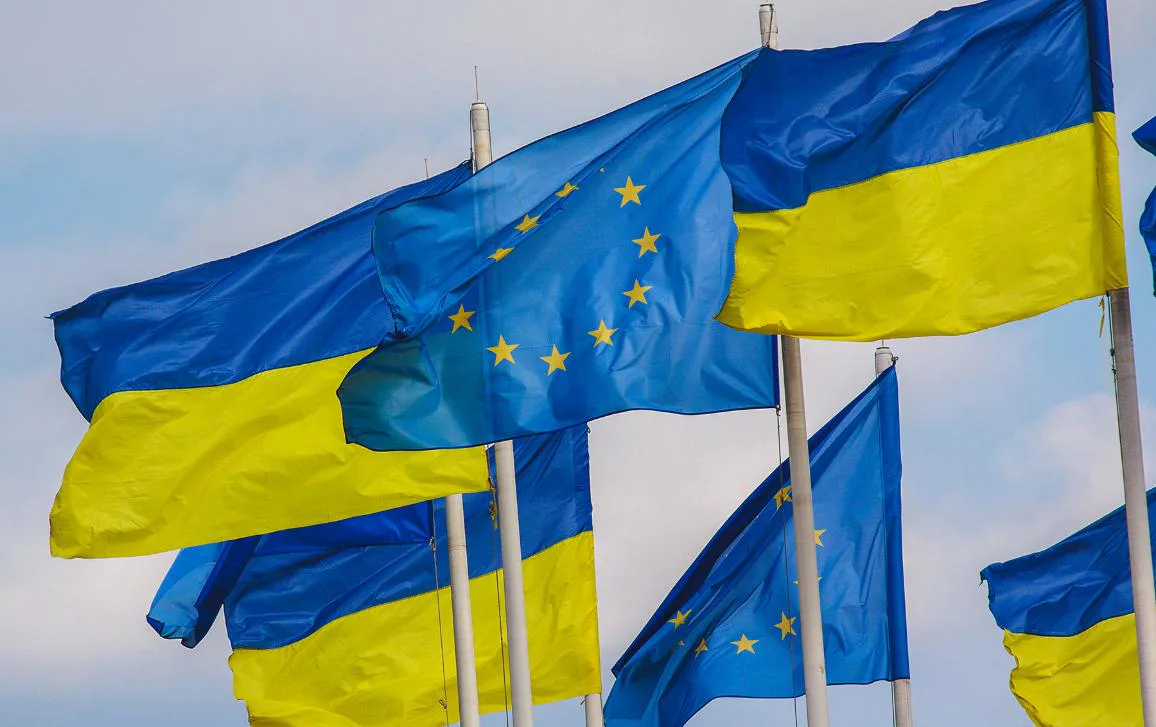
On July 14 in Brussels, the third intergovernmental conference between Ukraine and the EU took place. Its result — the official opening of the sixth negotiating cluster "External Relations". These are chapters 30 and 31: foreign trade and international policy, as well as common foreign, security and defense policy.
The opening of negotiations within cluster 6 confirms overall progress in Ukraine's accession and our growing integration into the EU.
— Vice Prime Minister for European Integration Taras Kachka, X
Foreign Minister Andriy Sybiha added a more specific argument: "Opening cluster 6 will help strengthen Europe's collective security and deepen cooperation in foreign policy and defense". The conference was conducted by Ireland as the country holding the presidency of the EU Council.
What lies behind the number "six"
There are six negotiating clusters in total. But only two are currently open: in June — cluster 1 "Fundamental Sectors", now — cluster 6. The opening of clusters 2, 3, 4 and 5 has been postponed to autumn. The key reason is Hungary.
Hungary blocked the approval of screening results for clusters 2–6 in the EU Council working group back in 2025. Unblocking became possible after Ukraine promised to fulfill Budapest's conditions regarding the rights of the Hungarian minority in Transcarpathia. But Hungary agreed only to cluster 6 — it defended the rest.
All other clusters will be postponed until autumn. This delay is very counterproductive because it defers and slows down negotiations.
— Foreign Minister of Lithuania Kęstutis Budris, Brussels, July 13
Notably: EU enlargement commissioner Marta Kos still expected in June that on July 14 the EU would ceremonially open all clusters simultaneously. Instead, Brussels received partial agreement from an unpredictable partner — the government of Peter Szijjártó in Budapest.
What does "opening a cluster" mean in practice
Opening a cluster is not membership and not even a guarantee of further progress. It is the start of actual negotiations on the conditions under which Ukraine will adapt its legislation to EU standards in relevant areas. After opening, the hardest part begins: agreeing on specific requirements and implementation timelines — without a public schedule and without an automatic closure mechanism.
- Cluster 1 ("Fundamental Sectors"): opened in June 2026 after agreements with Hungary.
- Cluster 6 ("External Relations"): opened on July 14, 2026 — the second opened cluster overall.
- Clusters 2–5: awaiting autumn — and a new round of negotiations within the EU.
If Hungary blocks the procedure again in autumn — and there is already a precedent — the question of the pace of Ukraine's accession will return to square one. Whether Budapest's autumn promise will prove more reliable than June assurances will become clear in September.







