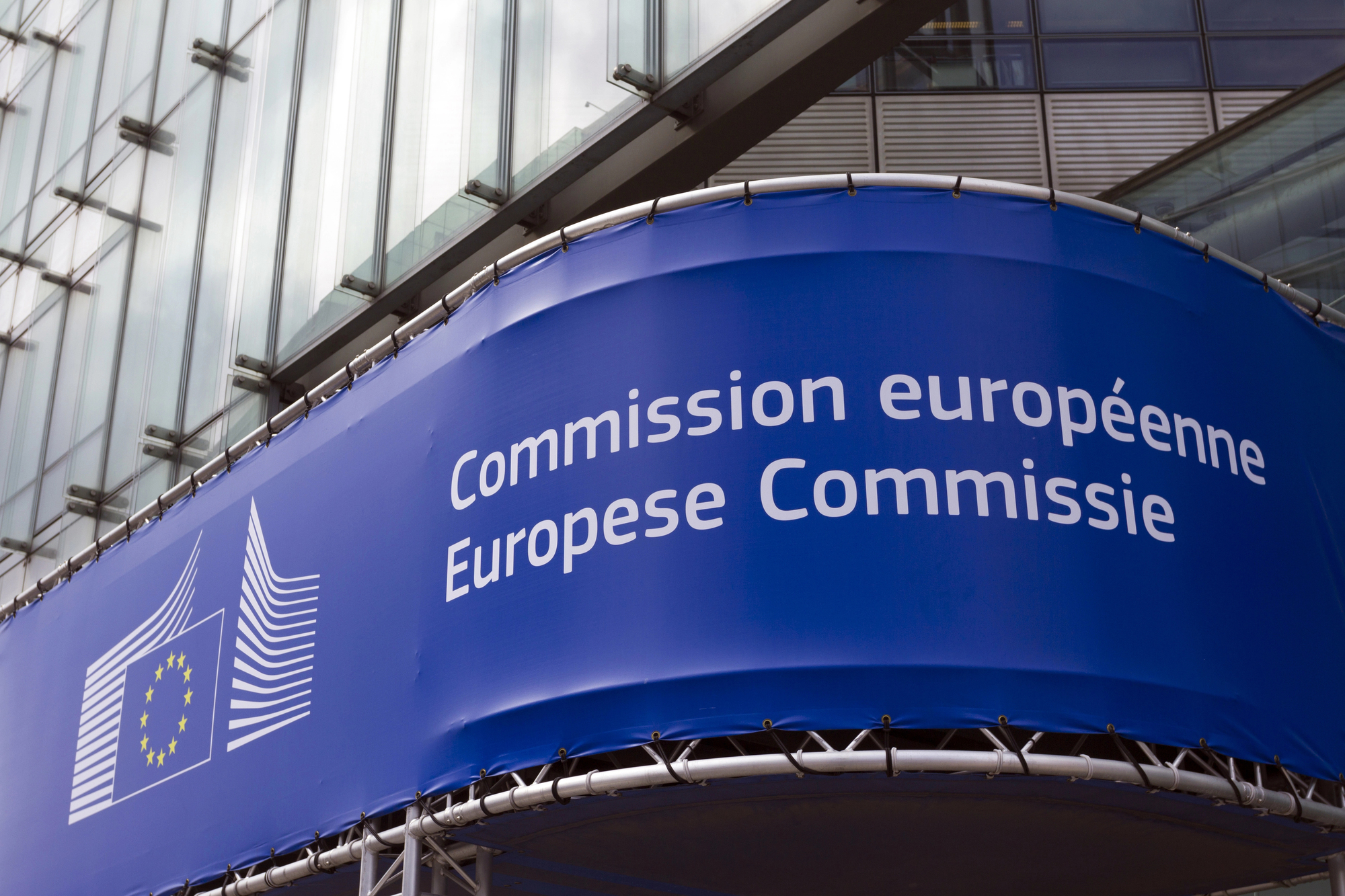
Silence from the EC: what is known
At a briefing of the European Commission its spokespeople declined to comment on reports about the detention of Oschadbank's cash-in-transit vehicles on Hungarian territory. Details of the incident, first published by LIGA.net, have not yet been officially confirmed in the Brussels corridors.
"We are aware of media reports on this matter. At the moment we do not have any additional information about the events being reported, so at this stage I have no comment."
— Spokesperson for the European Commission
A LIGA.net correspondent asked whether the EC views the behavior of the member state where the detentions occurred as a subject for official assessment. The question also concerned a possible link between the incident and Hungary's statements about resuming oil supplies via the "Druzhba" pipeline.
"There are too many hypothetical assumptions in your question. We will not engage in speculation on this topic right now... This is fairly fresh information, so give us time to establish more details."
— Spokesperson for the European Commission
Political context
The situation is significant not only because of the detentions. The Hungarian prime minister has stressed that he will not allow aid to Ukraine if the pipeline is not restored — meaning that energy leverage may intersect with diplomatic actions. At the same time, on the night of March 6 Ukraine's foreign minister reported the detention of two cash-in-transit service vehicles with seven employees and the obstruction of Ukrainian consuls' access to those detained.
This combination of consular risks and potential energy pressure makes the incident not only a matter of bilateral relations between Kyiv and Budapest, but also a test of the EU's ability to act as a coordination platform in critical situations.
What next?
The European Commission should promptly establish the facts and provide a clear position: whether there was communication with the Hungarian authorities, whether consular access is guaranteed, and whether energy is being used as a lever of political pressure. Analysts note that delays in responding create space for disinformation and diplomatic speculation.
For Kyiv the priorities are clear — immediate consular access to citizens, documenting the incident, and drawing partners' attention so that the case does not become the norm in relations between EU member states. Now it is up to EU institutions: words must turn into procedures and actions that protect citizens' rights and the key interests of a partner in wartime.





