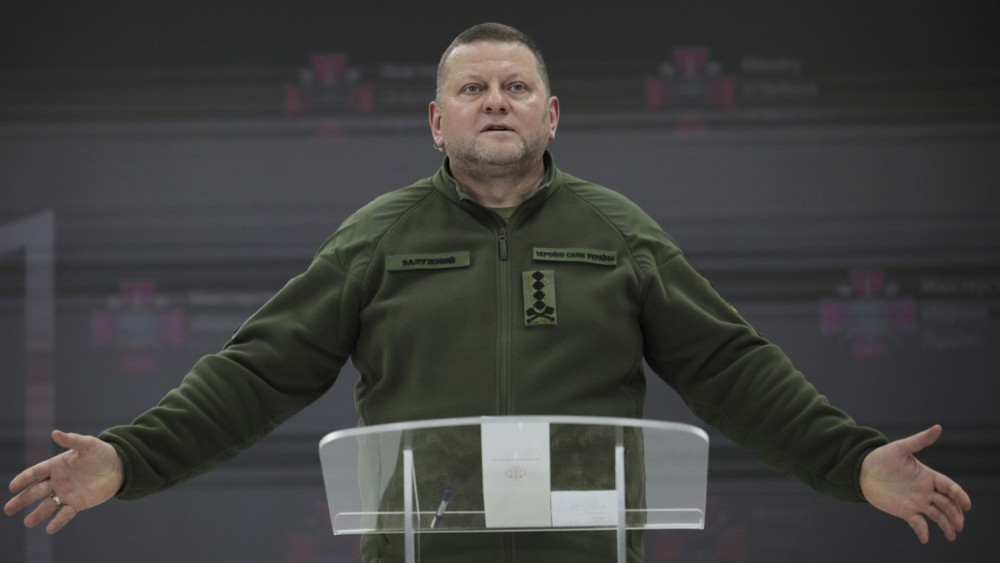
What Zaluzhnyi Said
In an interview with the Associated Press, the former commander-in-chief, now ambassador to the United Kingdom, Valeriy Zaluzhnyi said that the 2023 counteroffensive failed due to a lack of resources that, he said, were not provided by President Volodymyr Zelensky and other officials.
"The counteroffensive failed because of a lack of resources from the president and other officials."
— Valeriy Zaluzhnyi, former commander-in-chief of the Armed Forces of Ukraine, Ukraine's ambassador to the United Kingdom
Details of the Plan and What the Problem Was
According to Zaluzhnyi, the initial plan, developed together with NATO partners, envisaged concentrating forces into a "single fist" — a focused operation in Zaporizhzhia region with a subsequent push south to the Sea of Azov. The goal was to cut the logistical corridor that supplied the Crimean peninsula.
Instead, according to the former commander, forces were dispersed over a wide area, which weakened striking power and reduced operational surprise.
Confirmation and External Assessments
The Associated Press corroborated part of these claims with two Western military officials who spoke on condition of anonymity. Analysts and some in the military had earlier criticized the operation for its ambition and late start — time that allowed the Russians to fortify their positions.
Facts about the Course of the Operation
In 2023 Ukrainian forces in the south advanced in two directions and liberated a number of settlements, and also made gains near Bakhmut in Donetsk oblast. However, a breakthrough to Tokmak and the further advance that some sector commanders reported did not occur. Later, Russian forces recaptured most of the territory that had previously been liberated.
In February 2024, President Zelensky noted that the counteroffensive plan "was on the Kremlin's table" even before it began — a separate signal about how interference with information and planning affects the operational and strategic situation.
Why This Matters to You
This is not merely an internal dispute among generals and politicians. It's about the resources that determine the lives of people on the front lines and the public's trust in strategic decisions. If the plan required concentrated forces and they were not provided, questions about transparency, accountability and priorities arise on their own.
Conclusion
Zaluzhnyi's statement brings to the agenda not only questions about the reasons for defeats or missed opportunities, but also about the mechanisms of decision-making in wartime. Next steps include fact-checking, open dialogue between military and civilian leadership, and clear planning for resource allocation. While partners and the public wait for results, the most important thing is that declarations turn into real contracts and deliveries that will strengthen our forces' position on the battlefield.





