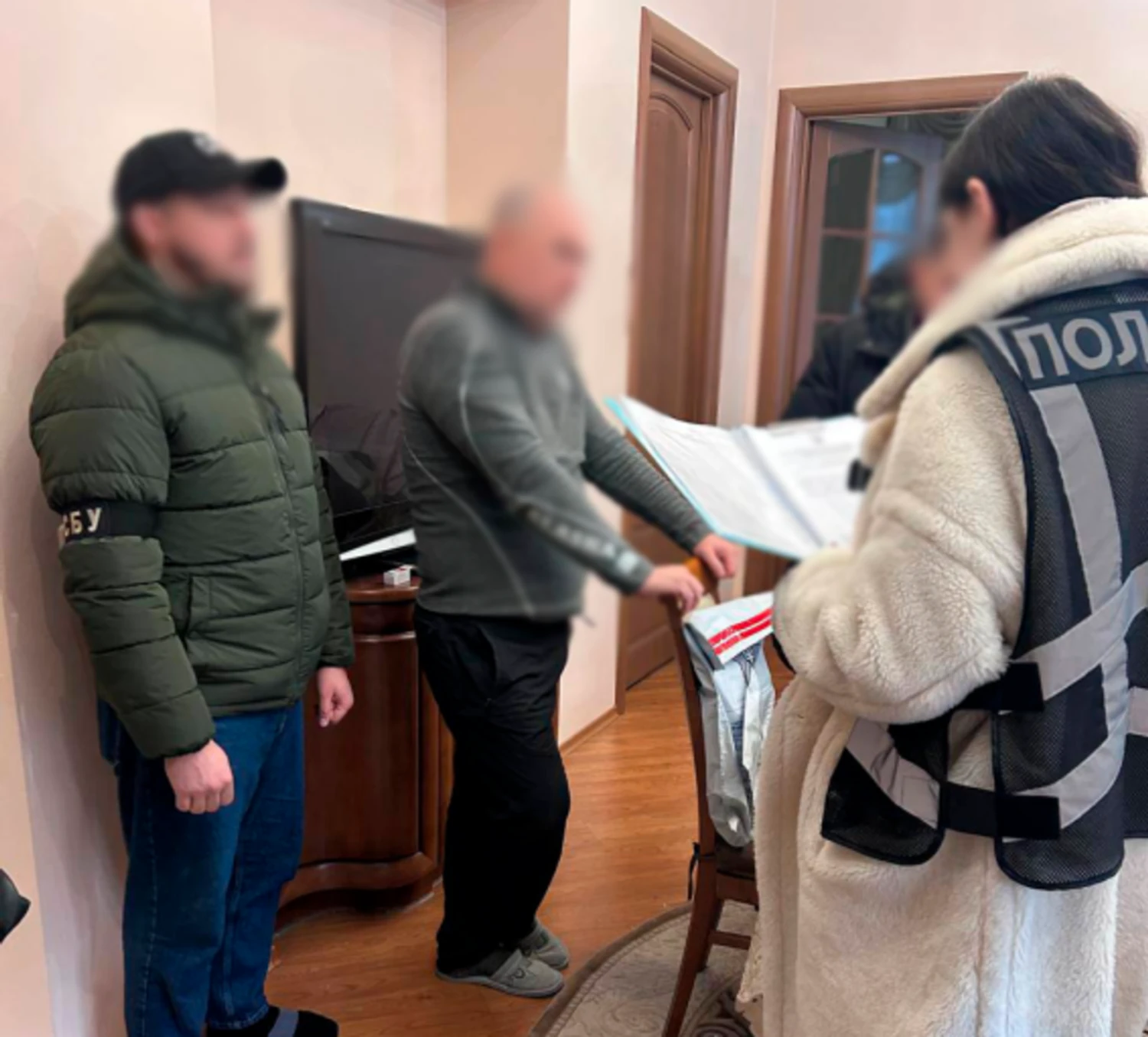
What happened
The Main Directorate of the National Police (GUNP) in Kyiv, via UNN, reported suspicion against the deputy director of one of the departments of the Kyiv City State Administration (KMDA): he allegedly concealed in his annual declaration corporate rights and income totaling more than 4 million hryvnias, related to the activities of a Polish company engaged in raw material processing. The act occurred when submitting the declaration in early 2025.
Legal essence
The official is accused under Part 1 of Article 366² of the Criminal Code of Ukraine — the intentional inclusion by a declarant of knowingly false information in a declaration. The sanction of this article provides for criminal liability as well as possible disqualification from holding certain positions or engaging in certain activities.
"The sanction of the article provides for punishment in the form of restriction of liberty for up to two years with deprivation of the right to hold certain positions or engage in certain activities for up to three years"
— GUNP in Kyiv
Why it matters
In wartime, transparency in the use of resources is an element of national security. Even if the case concerns income from a foreign company in a private sphere, hidden assets undermine trust in authorities and create risks of corruption schemes that can divert resources from defence and recovery.
Analysts and representatives of the anti-corruption community point to two key issues: first, how quickly and transparently the investigation will turn into a court case; second, whether the case will receive a fair conclusion regardless of the suspect's position.
Judicial practice context
At the same time, the judicial system continues to adopt high-profile decisions: the Appeals Chamber of the High Anti-Corruption Court reduced the sentence for Member of Parliament Anatoliy Hunko, found guilty of extortion and receiving a bribe — from seven to four years. This case is a reminder that the measure of punishment is often reviewed on appeal, and public perception of equality before the law depends on that.
What next?
Now the ball is in the court's court: the investigation must be proven in court, and the decision must be open to the public. For the reader, this means following not only the report of suspicion but the evidentiary base and the parties' arguments. Anti-corruption experts emphasize: precedent-setting cases form standards for the entire public service — and their resolution will determine whether we protect trust in state institutions during a critical period for the country.





