Brief — why this is worth reading
The Heraskevych case is more than the individual protest of a single athlete. It is a test for the IOC’s procedures and a measure of how prepared international institutions are to consider context and athletes’ rights in politically sensitive decisions. Commentary from lawyer Yevhen Pronin explains which outcomes are realistic and what each would mean.
What happened
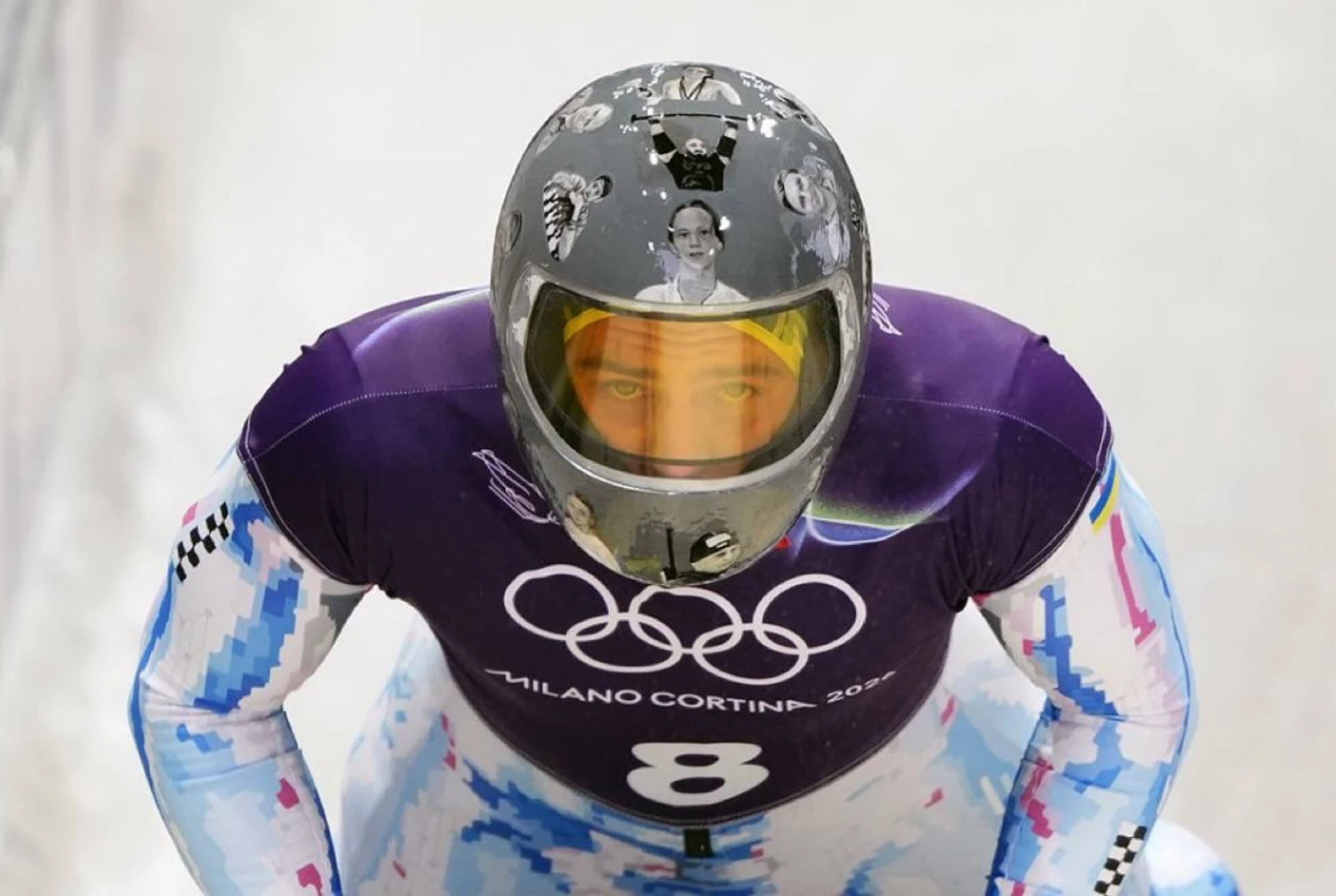
Vladyslav Heraskevych was disqualified by the IOC at the 2026 Olympics for intending to use a memorial helmet bearing images of deceased Ukrainian athletes. He has filed an appeal with the Court of Arbitration for Sport (CAS). As lawyer Yevhen Pronin told UNN in an interview, the case has progressed and at the hearing Heraskevych “conducted himself with dignity” and argued his position persuasively.
Possible CAS decisions — in short
According to Pronin, several scenarios are legally realistic:
1) Found not disqualified — that is, the court rules that Heraskevych did not breach the rules and the disqualification was unlawful. This could be accompanied by financial compensation or not.
2) Found not disqualified with the technical possibility to make up the runs — that is, allowing the athlete to run the missed heats. This format entails significant organizational and sporting risks: other competitors raced in different weather conditions and on a different track surface, which raises questions about the fairness of the results.
3) Claim dismissed — CAS upholds the IOC decision. As Pronin noted, precedents of victories against the IOC are rare, so this outcome is realistic.
"As lawyers say, it's 50‑50 here, but as a Ukrainian and as a fan I would like the court to find that Vladyslav did nothing wrong, that he is not considered disqualified, and it would be good if he received financial compensation. In court he conducted himself brilliantly and presented his counterarguments excellently."
— Yevhen Pronin, lawyer of Vladyslav Heraskevych (commentary for UNN)
Why this matters for Ukraine
First, the case has a symbolic dimension: it is about the right to honor the memory of the dead and about the limits the IOC places on political or commemorative symbols. Second, the CAS decision will have practical consequences for the athlete’s career — from rehabilitation of reputation to possible compensation. Third, the result will affect how Ukraine is perceived in international sport: whether our arguments will be heard in international institutions.
What’s next
The CAS decision will be not only a legal verdict in a specific case but also a test of how international bodies respond to cases related to war and remembrance. If the court finds Heraskevych not disqualified — it will be a strong signal about protecting athletes’ rights; if it upholds the IOC decision — it will mean that politically sensitive displays at competitions will face limited tolerance. For a Ukrainian audience it is important to follow the wording of the decision: it will determine whether the case becomes a precedent.
Source: exclusive commentary by lawyer Yevhen Pronin for UNN; the case is being heard by the Court of Arbitration for Sport (CAS).