The Council of the International Skating Union (ISU) has allowed athletes from Russia and Belarus to return to international ice — but not as representatives of their countries. The decision applies only to specific qualifying tournaments for Olympic selection for the 2025/26 season and is clearly tied to the Milan and Cortina 2026 Games.
What exactly was allowed — and what was not
The format of participation is strictly limited. As stated in the official ISU statement, one neutral athlete (or pair or dance duo) from each federation — Russia and Belarus — may compete in each of the selected competitions. No team formats, no relays.
There will be no national flags, anthems, or symbols on the ice. The same requirements apply to coaches, judges, and all support staff, according to idman.biz.
"Participation will be possible provided there is no evidence of violation of the athletes' neutral status, which emphasizes the priority of fair sport on ice"
— official ISU statement
Three years of ban and why now
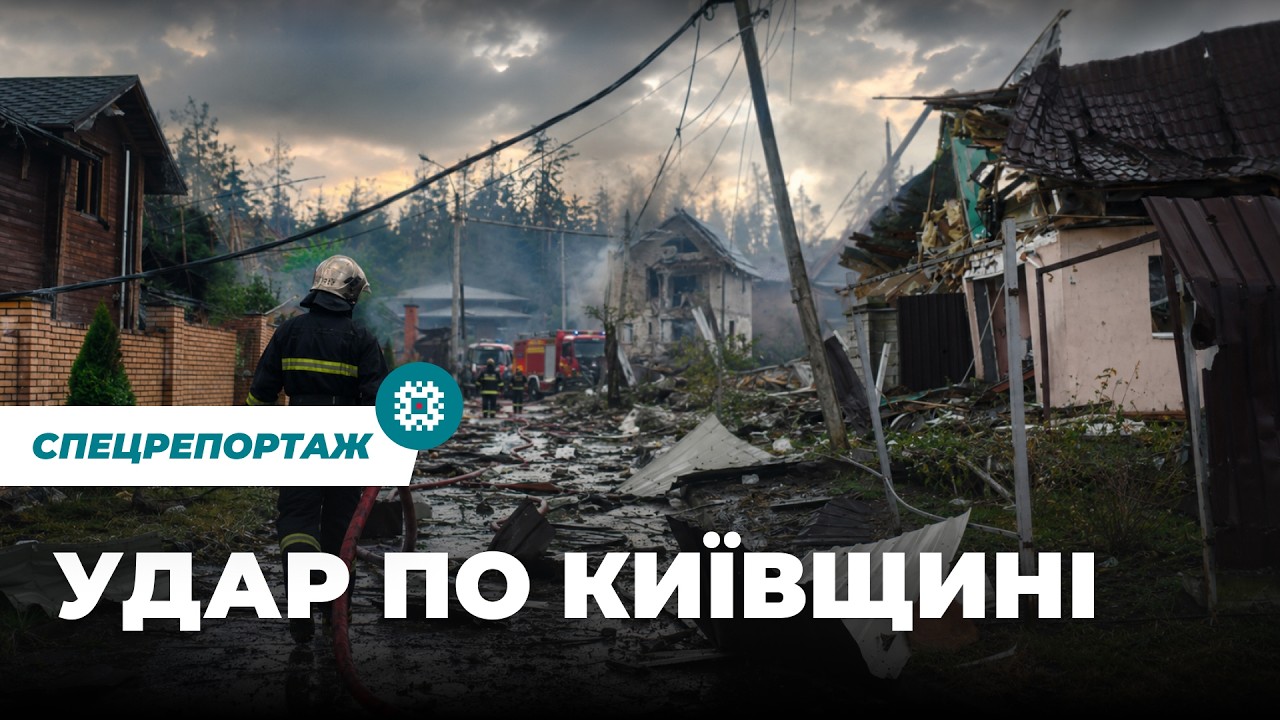
The ban has been in effect since 2022 — immediately after Russia's full-scale invasion of Ukraine. The ISU maintained it longer than the IOC: even when the International Olympic Committee recommended that federations create a pathway for neutral athletes, the ISU kept the ban in place at world championships and other major tournaments, according to Forbes.
The practical consequences were felt not only by Russians. As Forbes notes, after 2022, women's figure skating entered a new era of Japanese and American dominance — where Russia had previously won gold at three consecutive Olympics.
Verification exists — but questions remain
The ISU has introduced a separate anti-doping program for neutral athletes and undertakes to verify athletes' public statements and appearances for support of the invasion. This mechanism itself is the most controversial.
According to sports-radar.com, several pre-qualified neutral athletes already face public questions: subscriptions to pro-war bloggers, participation in pro-military events, symbolism on social networks. Kyiv Post notes that pressure on federations is increasing: neutrality is increasingly being demanded to be interpreted not only as the absence of a flag, but also as the absence of active complicity.
- An active military contract — grounds for suspension
- Public support for the invasion — grounds for suspension
- Verified by a three-person IOC panel, not by the ISU independently
Notably, in parallel, FISU — the university sports federation — has also returned Russians and Belarusians to competitions, citing the same IOC recommendations regarding young athletes.
What's next
According to Forbes, in June 2025, an ISU congress will take place where the question of a complete lifting of the ban may be considered — already outside of Olympic qualification. If this happens, Russians will return to world championships as well.
The real question is not about flags — but whether the ISU's verification mechanism will withstand specific pressure: if even one allowed athlete is publicly exposed for supporting the war after competitions begin, trust in the entire neutral status system will be threatened before the Olympics even starts.