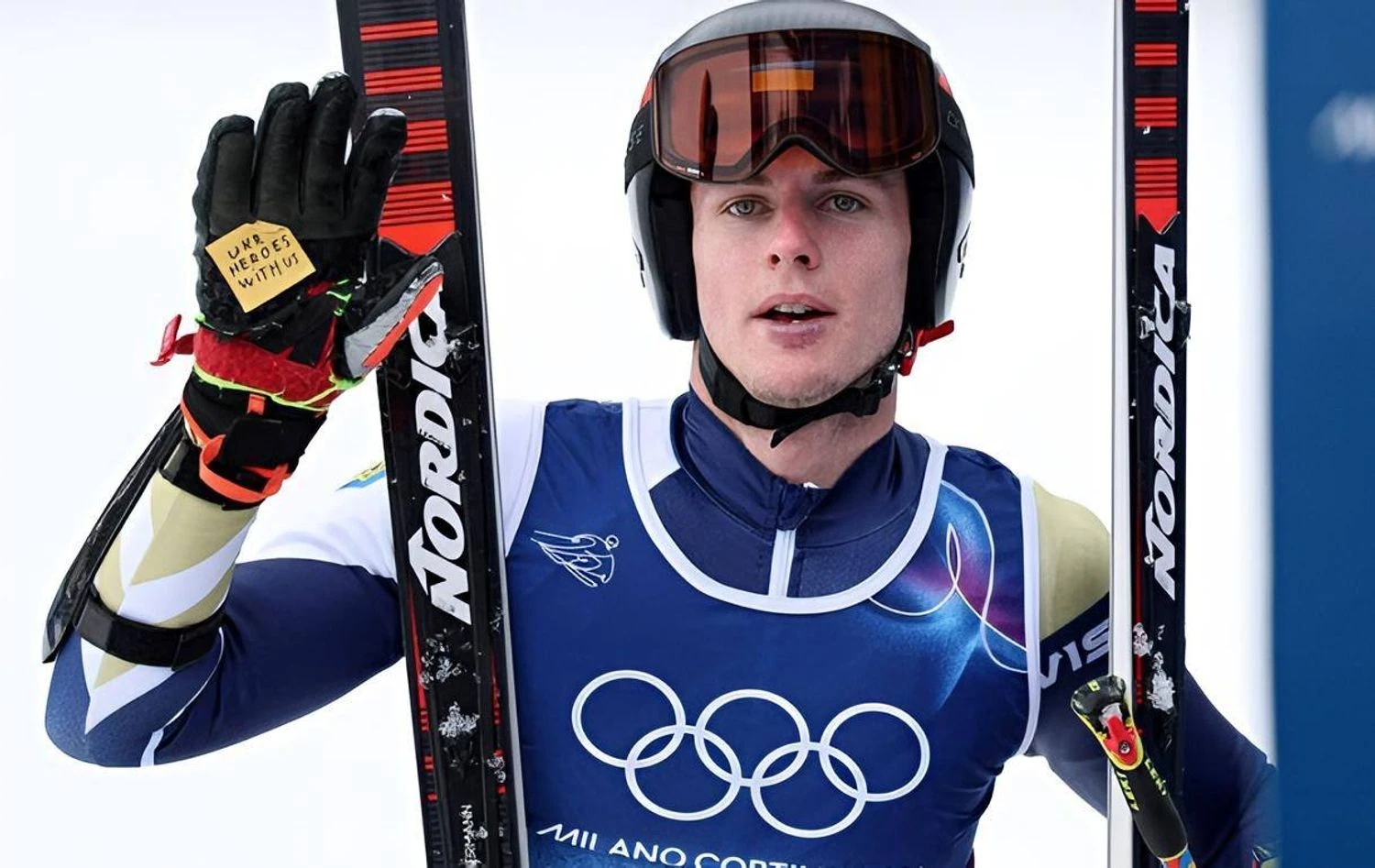
A gesture that speaks louder than words
After finishing in the super‑G at the XXV Winter Olympic Games Ukrainian alpine skier Dmytro Shep’yuk displayed a glove bearing the inscription «Ukr heroes with us». UNN reports this with reference to the National Olympic Committee of Ukraine; for the 20‑year‑old athlete it was his first Olympics, and he finished in 36th place.
Context: a symbolic response to the IOC decision
Shep’yuk’s gesture is not an isolated act of emotional support. He reacted to the scandal surrounding the International Olympic Committee’s ban on using the so‑called "memory helmet" — a helmet featuring images of fallen Ukrainian athletes. This symbol of waiting and remembrance was intended to spark discussion about the limits of expressing national mourning on the international stage; Shep’yuk’s gesture turned that discussion into a visible and easily understood form of solidarity.
Who else showed support
In addition to Shep’yuk, luger Olena Smaga voiced her support, and Ukrainian servicemembers launched a flashmob under the slogan «Memory is not a violation». Such multiple expressions of support amplify the message: this is not the private protest of a single athlete, but a public gesture of memory and dignity.
"I will compete at the 2026 Olympics only in a 'memory helmet' despite the threat of disqualification."
— Vladyslav Heraskevych, skeleton racer
Why this matters for Ukraine
First, it’s a matter of identity: when international institutions restrict forms of memorialization, athletes’ responses become a way to preserve national memory in the public sphere. Second, it is communication with the domestic audience — with this gesture athletes are speaking to society and the Ukrainian Armed Forces that the memory of the fallen is not being set aside even during competition.
What’s next
The risk of disciplinary consequences for Heraskevych remains real. At the same time, the multiple symbolic actions — Shep’yuk’s glove, Smaga’s support, the Ukrainian Armed Forces’ flashmob — create an information context that makes it harder for the story to quickly fade. The question now is whether symbolic solidarity will turn into a dialogue with international bodies, or whether the confrontation will take a formal continuation.
Sources: UNN, National Olympic Committee of Ukraine; public statements by athletes.