How the night went in the capital
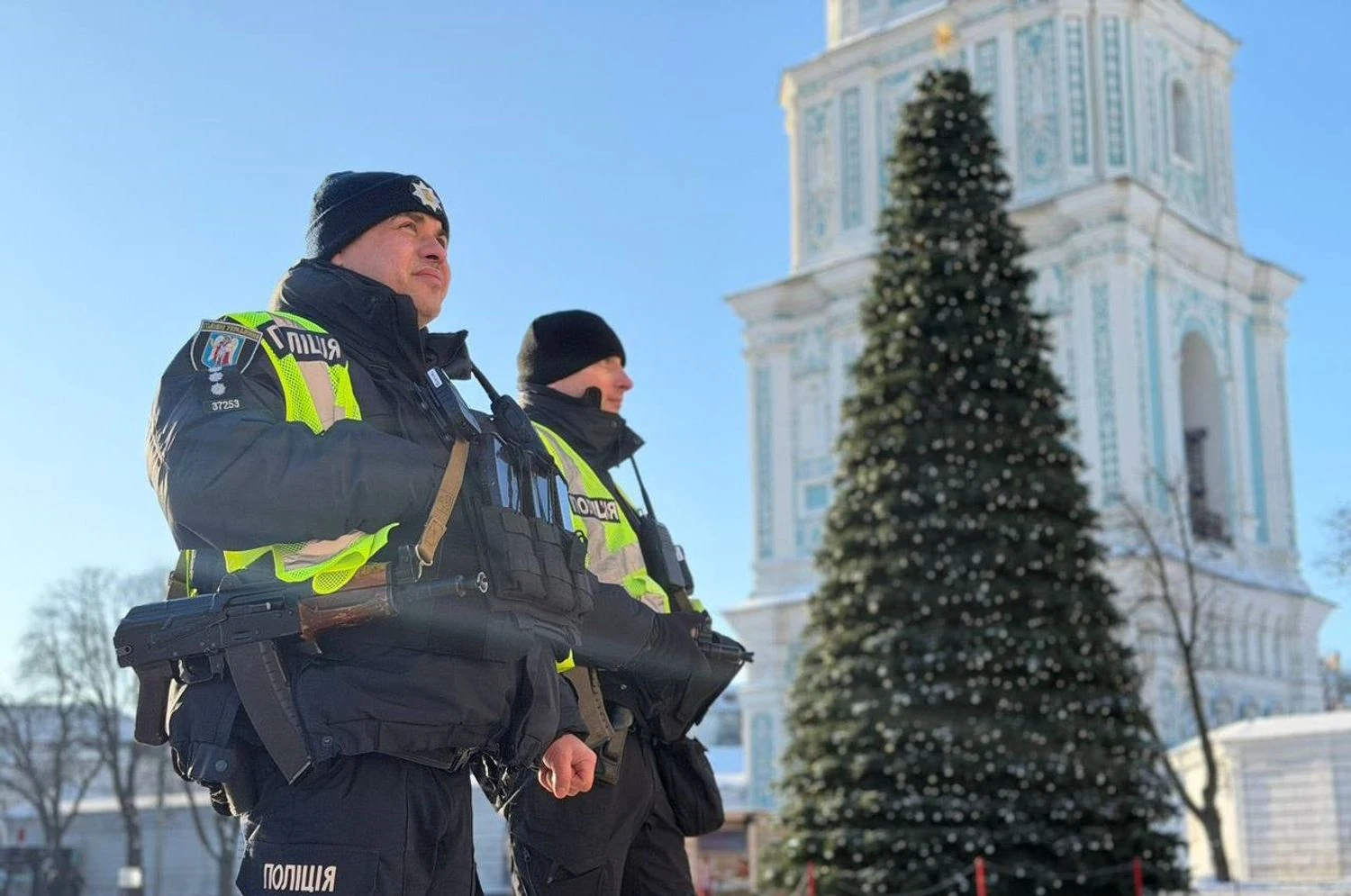
According to UNN citing the Main Directorate of the National Police (GUNP) in Kyiv, New Year's night in the capital passed without serious public order violations, and no crimes were recorded. Officers from territorial police departments, a special-purpose police regiment, patrol officers, canine handlers and explosives technicians were involved in duty — a coordinated operational effort that ensured order in the city.
Disinformation and fact‑checking
Information spread on Kyiv Telegram channels about an alleged fireworks display in the Shevchenkivskyi district. Following verification, this information proved to be false — an example of how rumors can create additional strain on services during critical nights.
"I am grateful to residents for their conscientious attitude toward restrictions related to martial law and for assisting police officers while they perform their duties. The safety of the capital and its residents remains the top priority for law enforcement."
— Dmytro Shumeiko, head of the Kyiv police
Context: drone attack and defense effectiveness
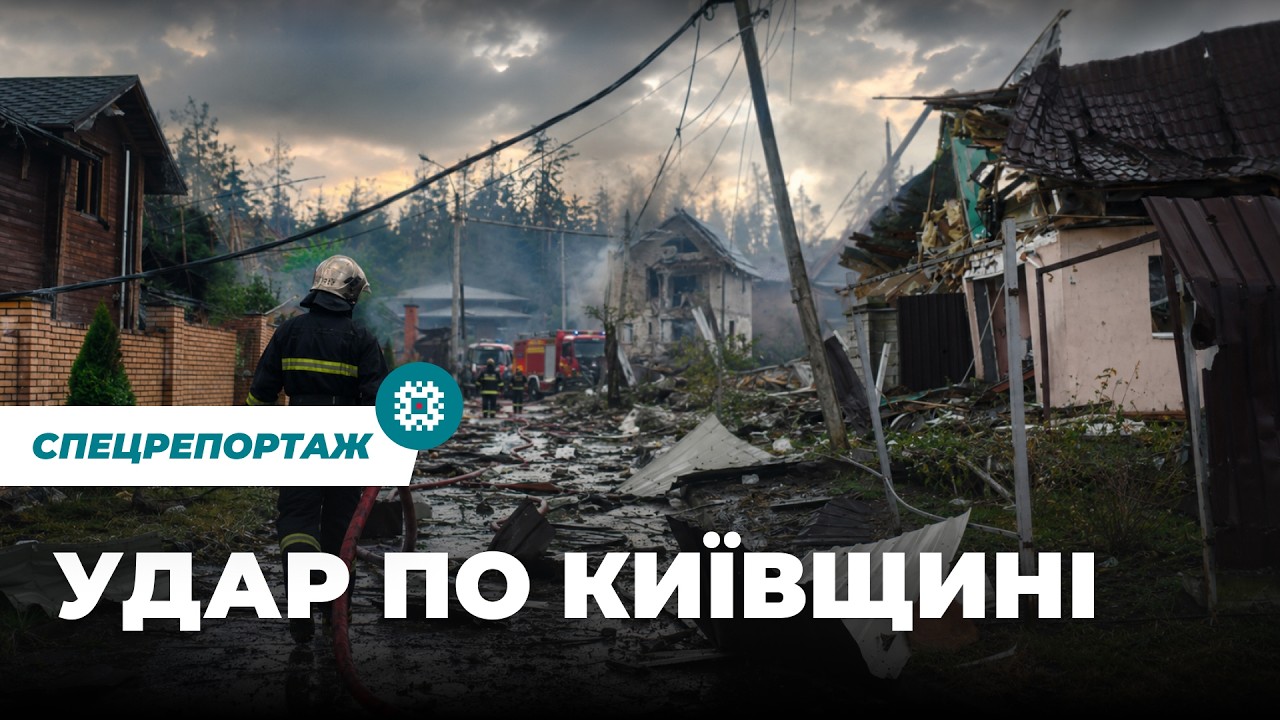
The same night Ukraine recorded a massive attack — according to the Air Force of the Armed Forces of Ukraine, about 205 strike UAVs were launched, of which the defense forces shot down approximately 176, but 24 impacts were recorded in 15 locations. This is a reminder: even on nights of celebration, air defense systems and response units operate in an enhanced mode.
What this means for residents and authorities
First, the night's outcome is a combination of residents' discipline and coordinated work by services. Second, the number of attacks underscores the need to further strengthen air-defense infrastructure and to expedite data sharing between civilian and military services.
Analysts note: such a night is a test not only for security systems but also for societal resilience. The short-term conclusion is simple — order was maintained. The medium-term task is more complex: to turn this operational success into sustained practice and to strengthen mechanisms to counter information threats.
Now the question for leadership and partners: how to maintain and scale these results so that every holiday passes not only peacefully but also without risk to people and critical infrastructure?