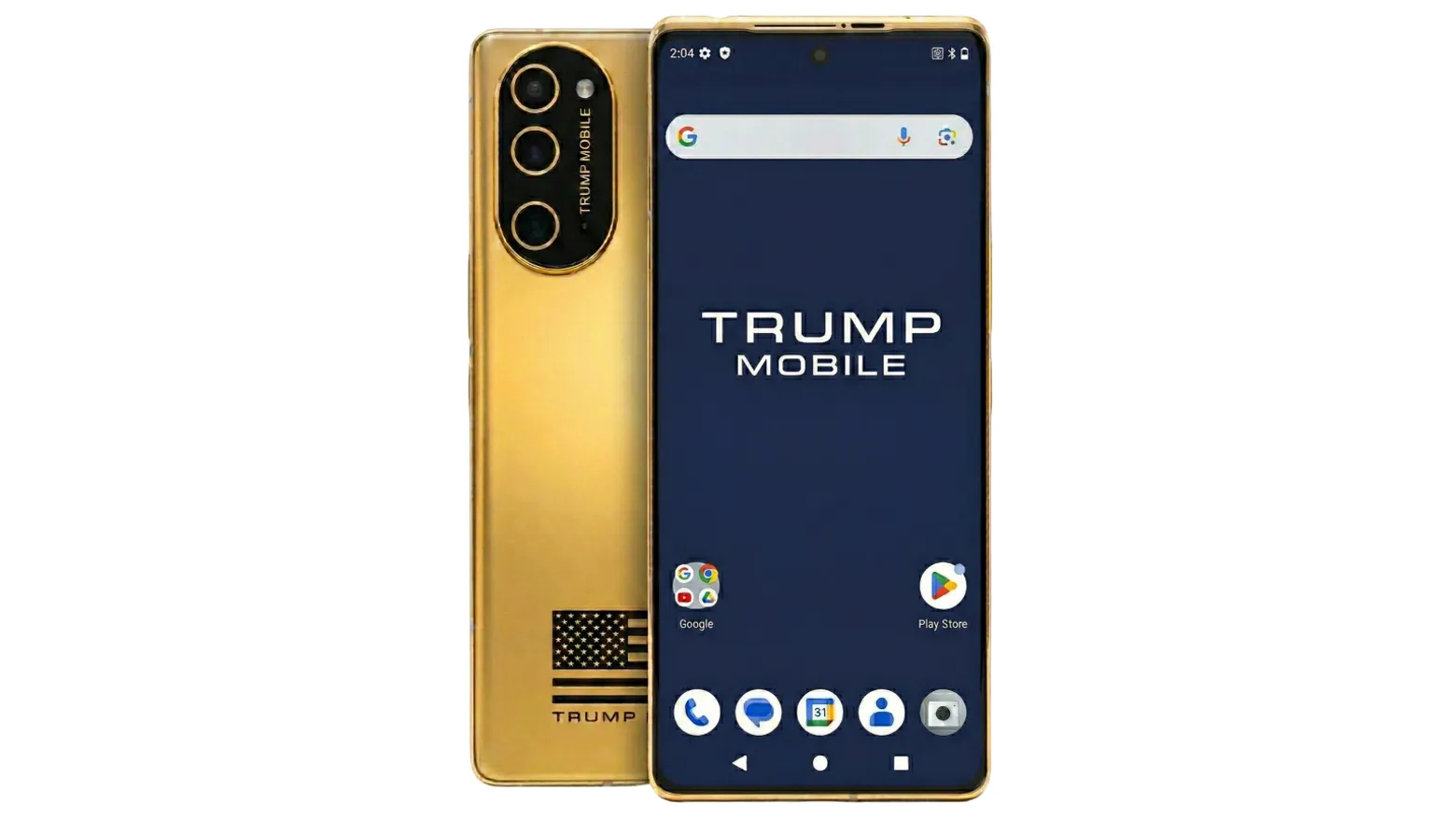
June 16, 2025, Donald Trump Jr. and Eric Trump presented the T1 Phone at Trump Tower — a "patriotic alternative to Apple and Samsung" for $499. To reserve, buyers deposited $100, with delivery promised for the following summer. Eleven months later, there are no confirmed shipments.
What Changed on April 6
An update to the pre-order terms published on April 6 contains a key provision: the deposit "provides only conditional opportunity, if Trump Mobile later decides at its sole discretion to offer the device for sale." The company also stated that it does not guarantee commercial release of the T1 Phone or even the beginning of its production.
"Pre-orders are not purchases, are not acceptances of orders, do not create a contract of sale and do not transfer ownership."
Trump Mobile, updated pre-order terms, April 6, 2026
Before this update, buyers could reasonably believe they were paying for a reservation of a real product. Now, legally — they are not.
$59 Million in Limbo
Approximately 590,000 buyers deposited a combined $59 million. For comparison: this is more than the annual budget of some mid-sized Ukrainian cities.
NBC News, which itself deposited in August 2025 for journalistic monitoring, called customer service five times between September and November. Company representatives consistently promised delivery on November 13, then in December, then "sometime in the first quarter of 2026" — citing a federal government pause that cannot affect private companies.
Journalist Joseph Cox from 404 Media also attempted to make a deposit — Trump Mobile charged his card an incorrect amount and never once asked for a delivery address.
Technical Status of the Project
At a presentation in February 2026, Trump Mobile executives Don Hendrickson and Eric Thomas showed a new prototype and announced specifications: Qualcomm Snapdragon 7-series chipset, 5000 mAh battery, 512 GB storage. They reported that the device passed FCC certification, but as of May 2026 has not yet received certification from T-Mobile — the carrier through whose network it is supposed to operate.
Simultaneously, the company announced the T1 Ultra model — but provided neither timelines nor terms.
Regulatory Pressure
In January 2026, Senator Elizabeth Warren, along with nine other members of Congress, addressed the Federal Trade Commission with a demand to investigate a "scheme of potentially deceptive practices" — including advertising claims about American manufacturing and deposits for a product that does not exist.
The FTC under Trump administration is unlikely to expedite an investigation — but the mere fact of the official complaint creates a legal precedent for future lawsuits by buyers.
Why This Is Not Just a Curiosity
The scheme "collect deposits → change terms → keep the money" is known in consumer law as constructive fraud even without malicious intent. The key question is not whether the T1 Phone will be released — but whether 590,000 people will be able to recover their money if the company announces a "project closure" in accordance with those same new terms, which clearly permit it.
If by the end of 2026 the FTC does not open an official investigation and T-Mobile does not provide certification — the chances of seeing the T1 Phone for sale approach zero, and the only practical question becomes legal: whether the $59 million in deposits will be considered company income or an obligation to buyers.