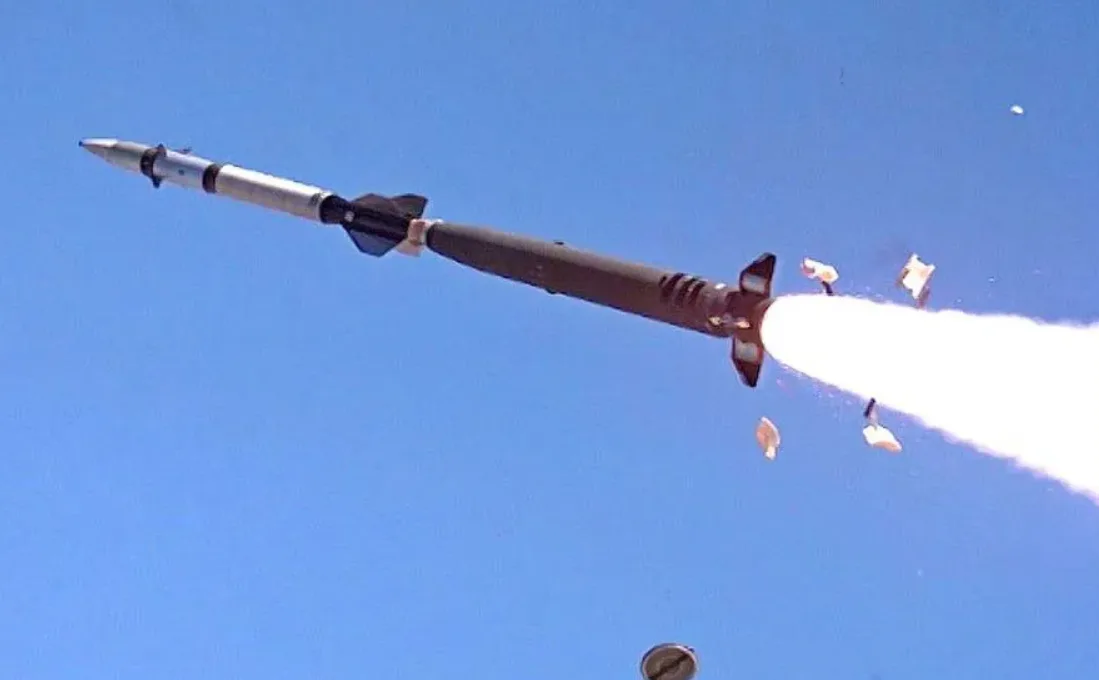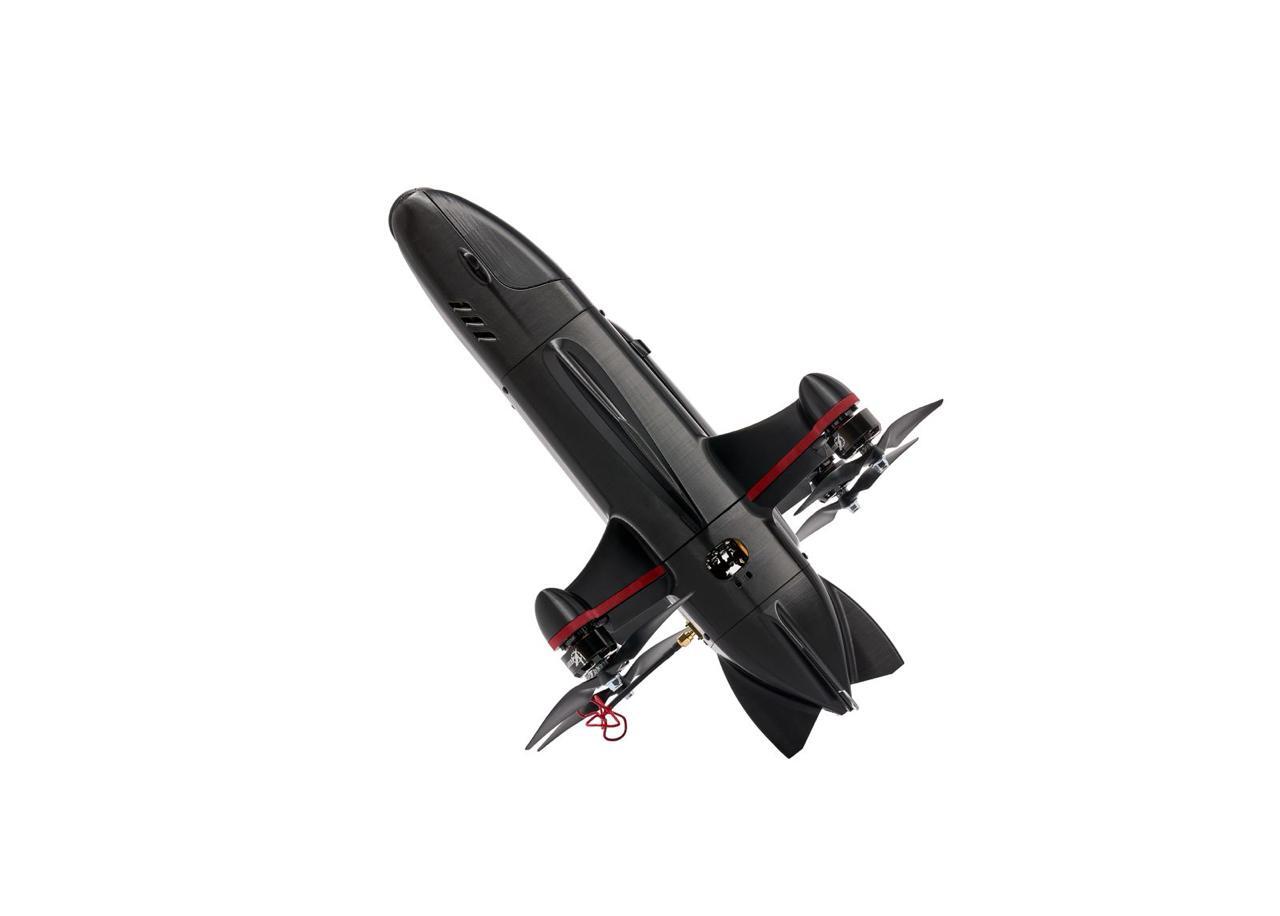
Ukrainian drone manufacturer F-Drones has presented a new modification of the Litavr+ interceptor drone, developed to combat reactive strike unmanned aerial vehicles "Shahed". The CEO of the company, Stanislav Khutory, explained the appearance of the new version to LB.ua by the need to respond to high-speed air targets that require a different level of interception.
Litavr+ is capable of developing speeds exceeding 400 km/h — a parameter that allows the drone to catch up with reactive modifications of "Shaheds", which are significantly faster than classical piston versions. The unmanned aerial vehicle is already undergoing combat testing, and according to the developers, it has confirmed results of application.
What Changed on the Battlefield
The emergence of reactive "Shaheds" changed the requirements for short-range air defense systems: interceptors designed for speeds of 300–340 km/h lose effectiveness against targets moving faster. Litavr+ is a response to this gap in capabilities, rather than a fundamentally new concept.
Currently, the system is already available for order by Ukrainian military units.
Second Direction — Strikes on Logistics
In parallel, F-Drones announced F-Capitan — a strike unmanned aerial complex of fixed-wing type in the mid-strike class. It is capable of delivering up to 10 kg of combat payload to a distance of up to 100 km and is designed to strike enemy logistics and supply routes. According to the company's information, Ukrainian military forces are already using the complex in combat conditions.
This completes the picture: if Litavr+ operates on the defensive direction — air interception, then F-Capitan covers the strike component aimed at enemy rear communications.
Interceptor Context
Litavr+ is not the only development of this class. Earlier, Ukrainian engineers presented the Zirka interceptor with a speed exceeding 340 km/h, oriented toward classical "Shaheds". The emergence of several competing projects at once indicates that the interceptor industry in 2024–2025 has become a separate direction of the defense industry with its own competition between manufacturers.
The question is whether the serial production speed of such interceptors will keep up with the pace at which the adversary modifies strike drones.