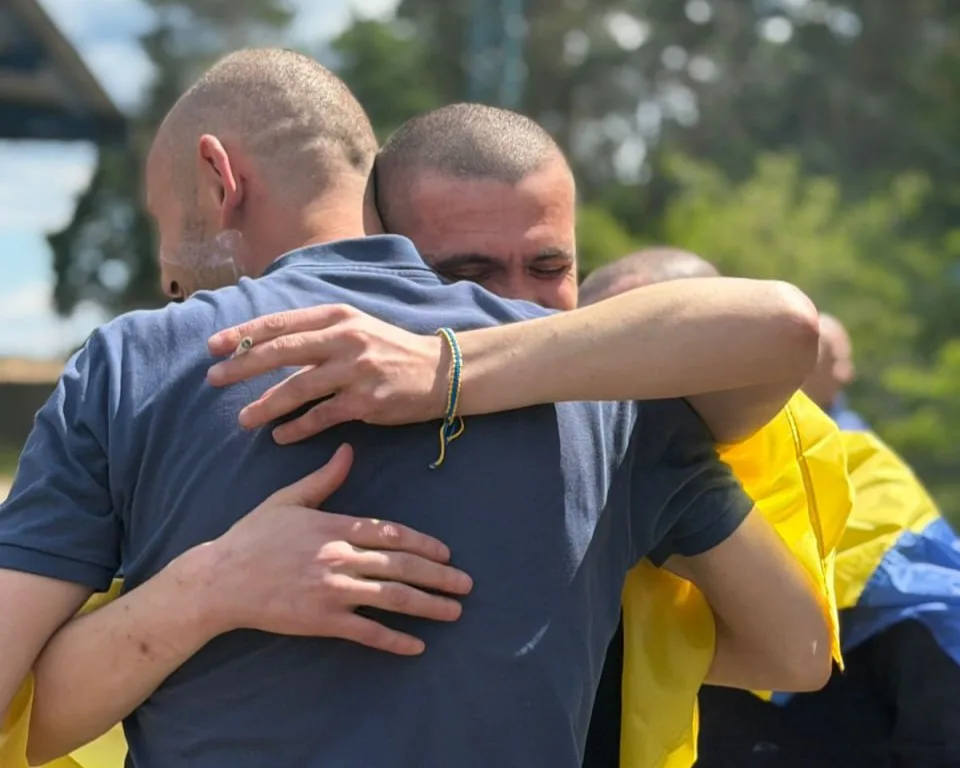
Over three years in captivity — and only now at home. For most of the 185 Ukrainian military personnel returned on October 2, this is exactly how the math works out. This is already the 69th exchange since the beginning of the full-scale invasion, and it became a combined one: some prisoners were released under the Istanbul agreements, some — within the so-called "numbered exchanges."
Who returned and from where
President Zelenskyy confirmed: among the released are fighters from the Armed Forces, National Guard, and State Border Guard Service. 183 are privates and sergeants, two are officers. Along with the military, 20 civilians returned home.
"Practically all the military and civilian Ukrainians liberated today were held captive since 2022. All will receive the necessary support."
— Volodymyr Zelenskyy, Telegram
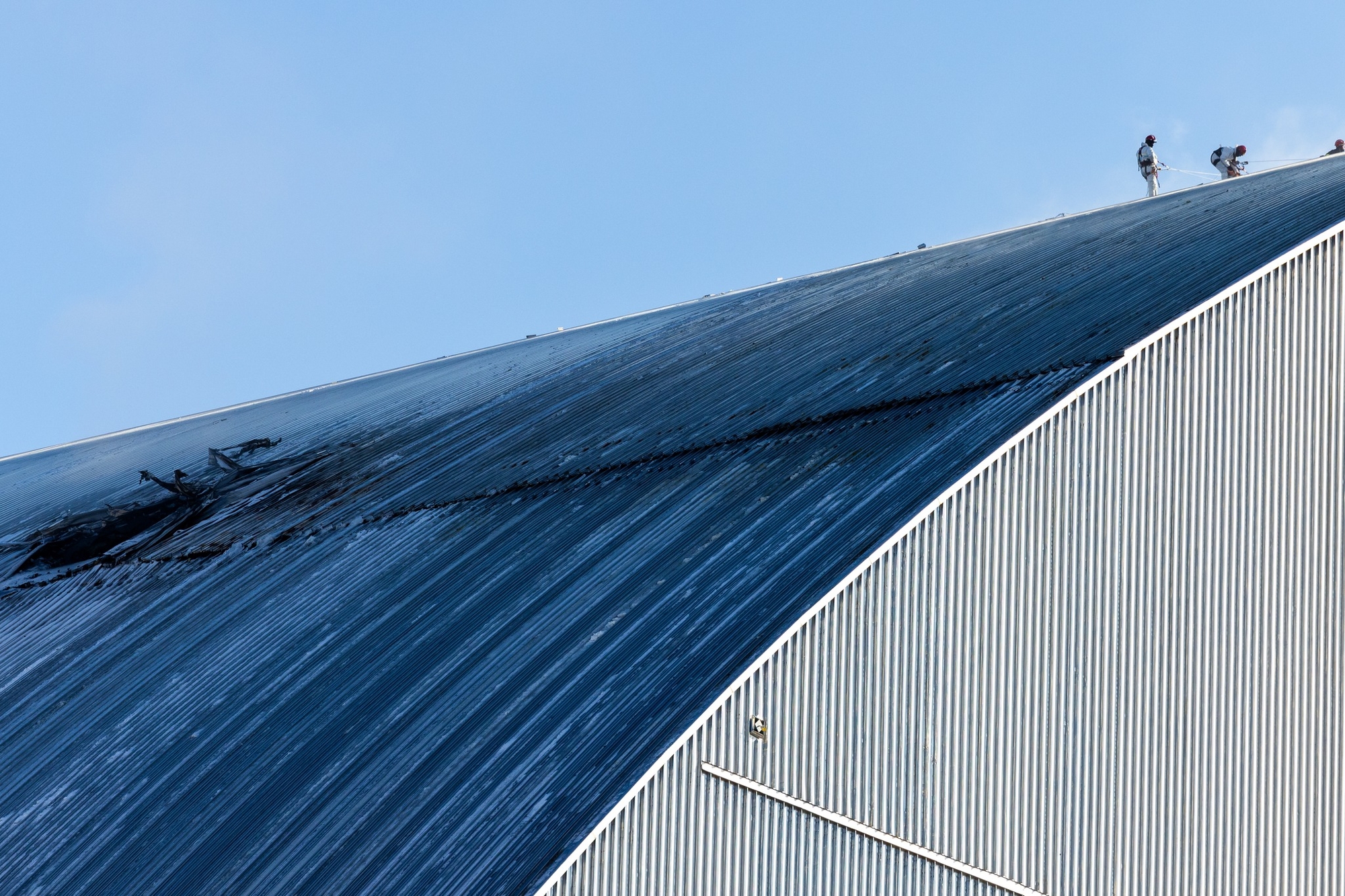
Among the released are defenders of Mariupol, Azovstal, and the Chornobyl Nuclear Power Plant: three locations that became symbols of the first year of the full-scale war and where thousands of Ukrainians were captured simultaneously.
Two channels — one logic
The Coordination Headquarters on the Treatment of Prisoners of War explains: exchanges are currently proceeding in parallel along two tracks. The first is the Istanbul agreements, under which priority is given to the severely wounded, seriously ill, and those under 25 years old. The second is "numbered exchanges," where each side agrees on specific lists during negotiations.
According to the head of the Coordination Headquarters Secretariat Okhrimenko, "negotiations are ongoing continuously" — even when the peace process is officially stalled. The Istanbul rounds of May–July 2025 did not produce a breakthrough on the front: Russia demanded the withdrawal of Ukrainian troops from four regions as a precondition for a ceasefire, while Ukraine insisted on an immediate cessation of fire. The only concrete result of the three rounds was an agreement to exchange 1,000 for 1,000.
A figure that shows the scale of the problem
Zelenskyy reported that since the beginning of the full-scale invasion, Ukraine has returned more than 7,000 of its people. This sounds like progress — but leaves open the question about those still behind bars. According to various estimates, there may be tens of thousands of Ukrainians in Russian captivity, and the pace of exchanges — even with 69 rounds over three years — is unlikely to keep up with actual needs.
- 185 military personnel returned on October 2
- 20 civilians released at the same time
- 69th exchange since the beginning of the full-scale invasion
- 7,000+ Ukrainians returned in total since February 2022
Exchanges continue even without a ceasefire — but their pace and scale depend on one factor: whether the Istanbul channel of negotiations will persist after Russia blocks the next round. If Moscow refuses a fourth round, will the "numbered exchanges" mechanism remain sufficient to bring home thousands rather than hundreds?