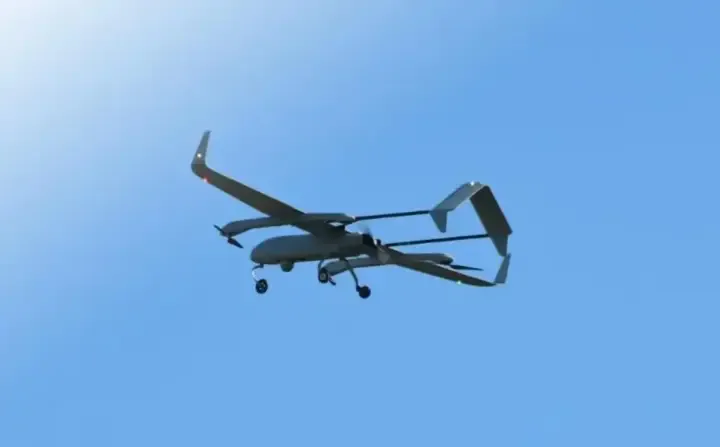
The unmanned systems forces of the Ukrainian Armed Forces struck 13 substations on the temporarily occupied Crimean peninsula and four vessels of Russia's "shadow fleet" in the Black Sea in a single night. This was reported by commander of unmanned systems Robert "Madyar" Brovdi in Telegram. The overall score from July 1 to 19 is 176 vessels and 96 energy facilities.
Two operations — two targets
The strikes are being carried out as part of two parallel operations. "MoLoChKa" — an abbreviation of the phrase "Moscow will fall through Crimea" — is aimed at vessels that ensure Russia's oil export bypassing sanctions. "Crimean switch off" deliberately cuts power to occupied Crimea: according to the unmanned systems forces, over 96 substations have already been attacked, including a strategic point of the Kuban-Crimea energy bridge.
"The transshipment infrastructure of the peninsula receives a sting every night, traffic through the strait has stopped, unloading is limited to a minimum."
Robert "Madyar" Brovdi, commander of unmanned systems forces of the Ukrainian Armed Forces
Satellite image comparisons of Crimea have appeared online: the level of nighttime lighting on the peninsula has noticeably decreased compared to last year.
Who is in the "shadow fleet"
According to Brovdi, the main target of the "MoLoChKa" operation is "courier tankers": small and medium-sized vessels about 140 meters long with a deadweight of up to 7,000 tons. They transport oil from the bases of the Volga-Don Canal and the Sea of Azov, and in open sea transfer cargo to large tankers that cannot enter shallow-water terminals. One large tanker collects the volume of 12–15 such "couriers".
- All damaged vessels, according to the unmanned systems forces, are under international sanctions.
- According to Interfax-Ukraine, targets include tankers, bulk carriers, ferries and tugboats.
- Sanctions have been imposed against over 610 tankers involved in transporting Russian energy resources.
Scale and logic of the campaign
By putting "couriers" out of commission, the unmanned systems forces effectively block the export of Russian oil: large tankers are standing idle at the anchorage without loading. Strikes on substations simultaneously hit military infrastructure — in particular air defense elements — and civilian supply to occupied territories. Units operating within the framework of these operations include the 414th Brigade "Birds of Madyar", the 412th Brigade "Nemesis", the 20th Brigade "K-2" and the 1st separate center of unmanned systems forces.
If the unmanned systems forces maintain a pace of over 170 vessels per month, the question is not whether Russia will feel an oil transport deficit — but when the shadow fleet will lose the ability to compensate for it with new vessels.