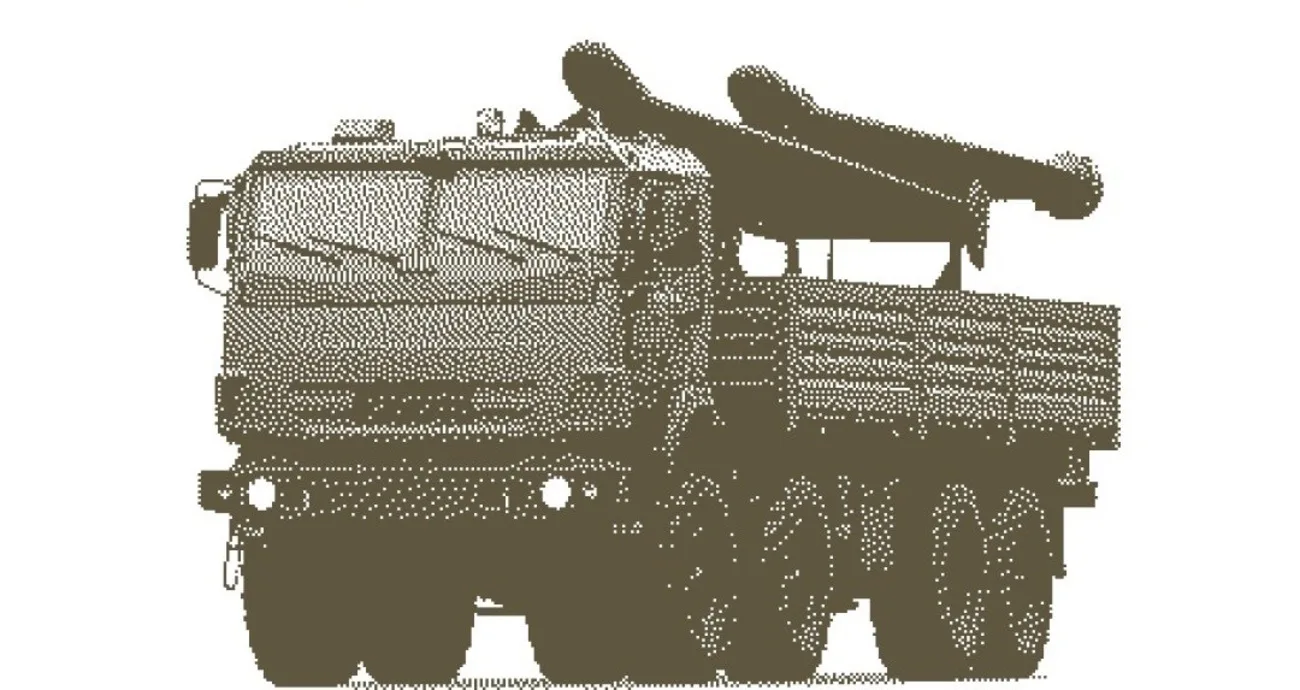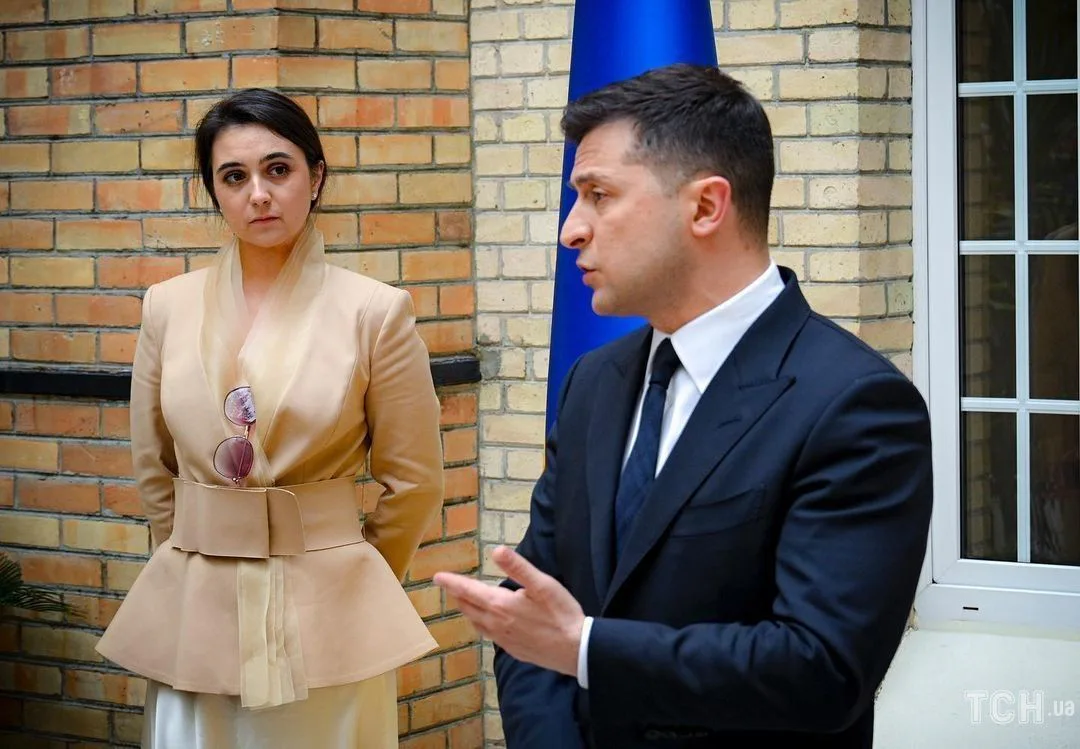
A ballistic missile "Iskander-M," launched from the territory of Russia's Voronezh region, struck a private house in the settlement of Radushne in Kryvyi Rih district, Dnipropetrovsk region. This was reported by President Volodymyr Zelenskyy, with details of the tragedy revealed by First Lady Olena Zelenska.
The house was home to the Voronov family: mother Olena (41 years old), father Artem (47 years old), and seven children — Mark (17), Dominika (15), Viorika (14), Zakharii (12), Azarii Ilai (11), Veronika (10), Emilia (6), and also a one-and-a-half-year-old grandson Artem, whose father is currently fighting in the ranks of Ukraine's Defense Forces.
What is known so far
The strike was so powerful that almost nothing remained of the house. Fragments of bodies were found in the rubble — only expert examination can determine which family members they belonged to.
The deaths of the parents and three children — Mark, Azarii Ilai, and Emilia — have been officially confirmed. The fate of five other family members — Zakharii, Dominika, Viorika, and grandson Artem — is being established. Earlier, it was reported that two children were rescued from under the rubble.
The argument about interceptors
Zelenskyy used the family's death as an illustration of a specific need — "Patriot" systems and interceptor missiles to counter Russian ballistic weapons. According to him, decisions on supplying such systems are made in the Pentagon and European capitals, and these very decisions determine whether families like this will survive during the next strikes.
The logic is straightforward: a ballistic missile like the "Iskander-M" at such a distance can only be intercepted by Patriot-class systems or equivalents. Without a sufficient number of interceptor missiles at the disposal of Ukrainian air defense brigades, such strikes on civilian houses remain practically unpunished for the attacking side.
The next test of this logic is whether new appeals from Kyiv will lead to concrete deliveries of interceptors in the coming weeks, or whether the tragedy in Radushne will remain just another episode in the list of strikes on civilians without changing the balance of defensive capabilities.