Every strike on Crimea's logistics infrastructure is not just a destroyed bridge or crossing. It's additional kilometers of detours, additional hours, additional liters of fuel, which is already becoming scarce in itself. It is this arithmetic that occupation forces on the peninsula are now feeling.
Military analyst Oleg Zhdanov stated that operations by Ukraine's Special Operations Forces to destroy bridges and crossings in Crimea have launched a mechanism that he characterizes as the beginning of forming an "operational cauldron". According to him, damage to key crossing hubs has critically extended supply routes — for equipment, ammunition and, above all, fuel.
What is happening with the occupiers' logistics
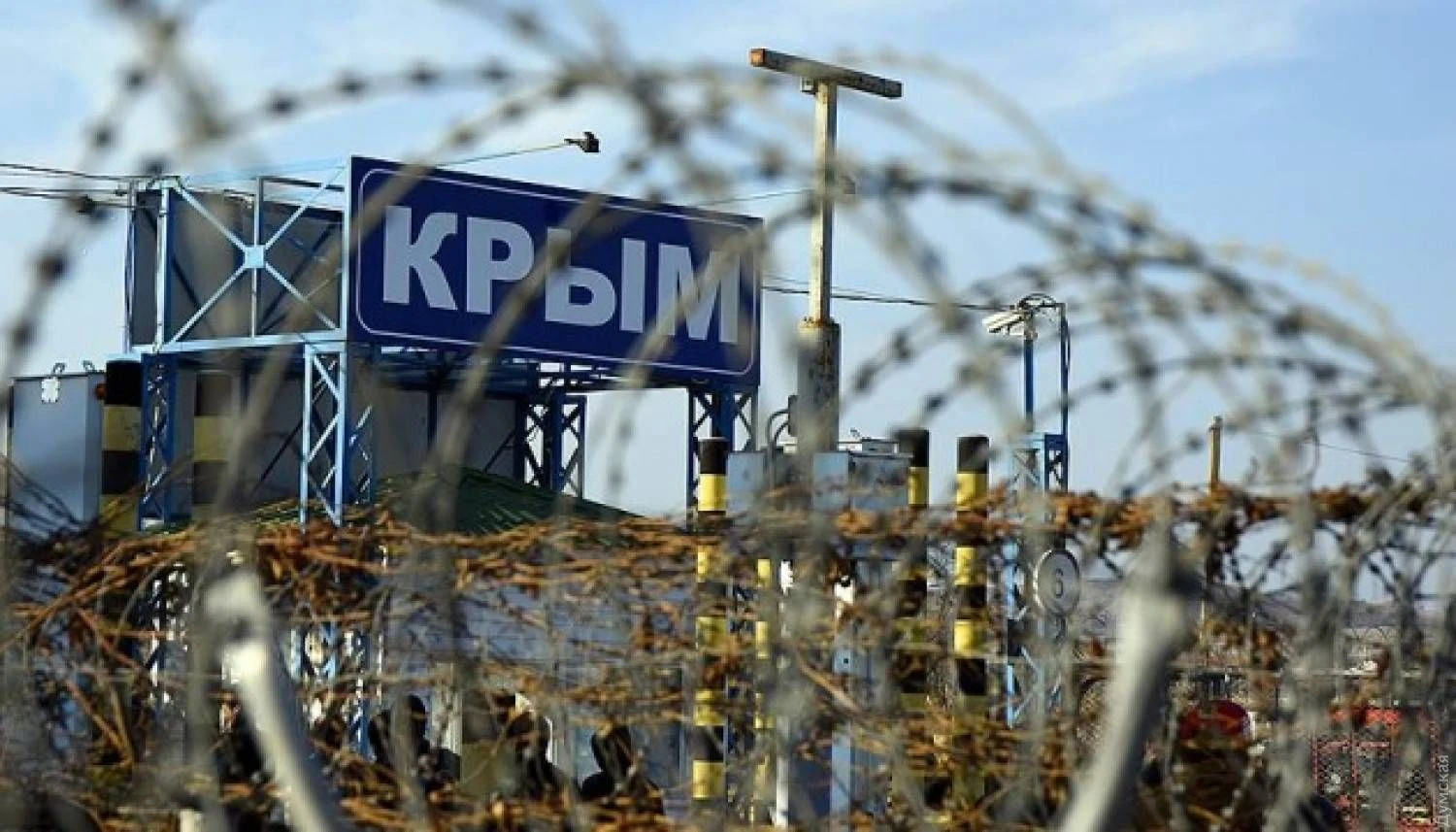
The Crimean peninsula has a limited number of land supply corridors. The Kerch Bridge remains under systematic pressure — after previous strikes, its capacity has significantly decreased. Alternative crossings, which SOF also targeted, turn any route to Crimea into a logistics task of increased complexity.
The result is a fuel shortage, which Zhdanov is already registering. For a grouping that holds a large peninsula and simultaneously uses it as a base for operations, a lack of fuel is not an abstract problem, but a direct limitation on mobility and combat capability.
"Cauldron" or just pressure?
Here it is important to be precise. An "operational cauldron" in the classical sense is the encirclement of a grouping with the cutting off of retreat and supply routes. Crimea is not currently surrounded in this sense: sea communication with Russia is preserved, and an air bridge is operational. Zhdanov is talking about the beginning of a process — about creating conditions under which maintaining a grouping becomes increasingly costly and vulnerable.
The difference between "complicated supply lines" and a "cauldron" is measured by the ability to compensate for land logistics losses through sea and air routes. Russia is carrying out this compensation — but the price is rising with each strike.
Strategy of exhaustion
The logic of SOF in this context does not involve one-time severance. It is about an accumulative effect: each destroyed bridge, each damaged crossing adds a burden to the supply system, which is already working at the limit due to previous strikes against the Black Sea Fleet and coastal infrastructure.
The fleet, which could ensure a significant portion of sea supply, has been substantially reduced — some ships have been destroyed, some moved to Novorossiysk. This means that the occupiers have fewer alternatives to land routes than a year ago.
If the fuel shortage that Zhdanov speaks of is confirmed by documented evidence of a reduction in the activity of the occupation grouping, this will become the first concrete indicator that logistics pressure is turning into a combat limitation. Until this moment, we have an analytical assessment, not a documented fact.
The question is not whether Crimea will become a cauldron in the coming weeks — obviously not. The question is at what level of logistics exhaustion will maintaining the grouping become strategically disadvantageous for Moscow — and whether Ukraine will have enough resources to sustain this pressure until that moment.