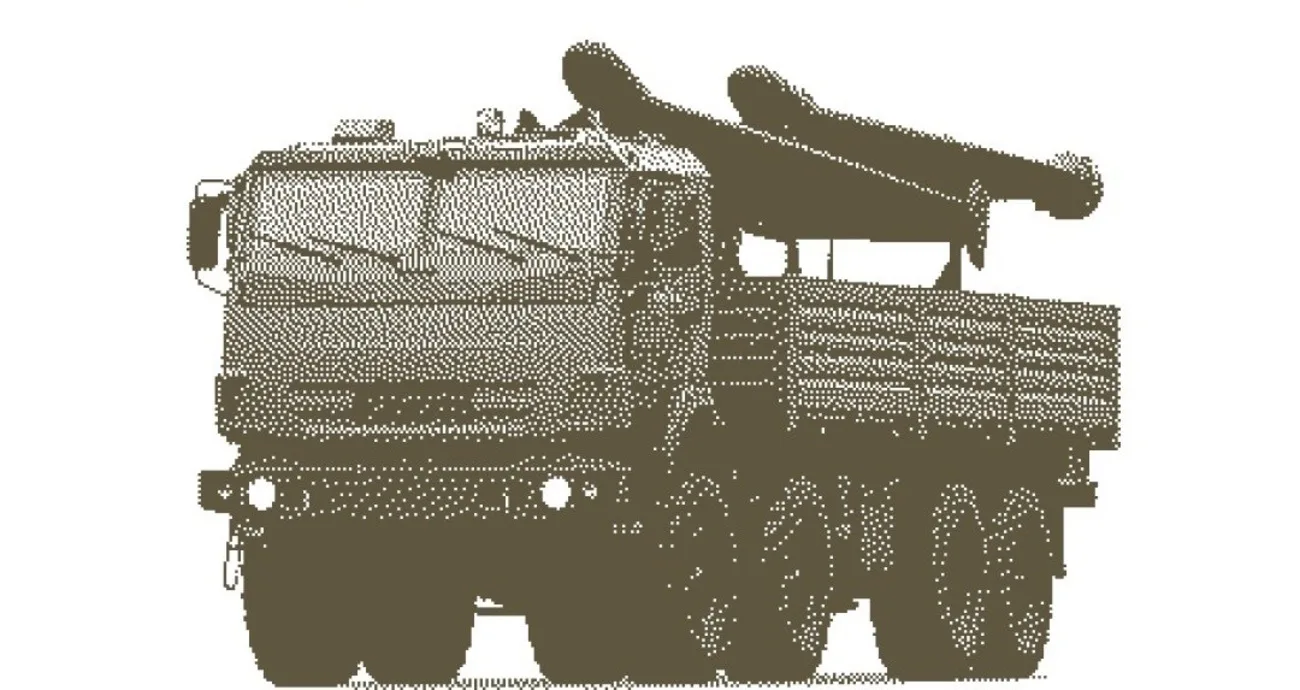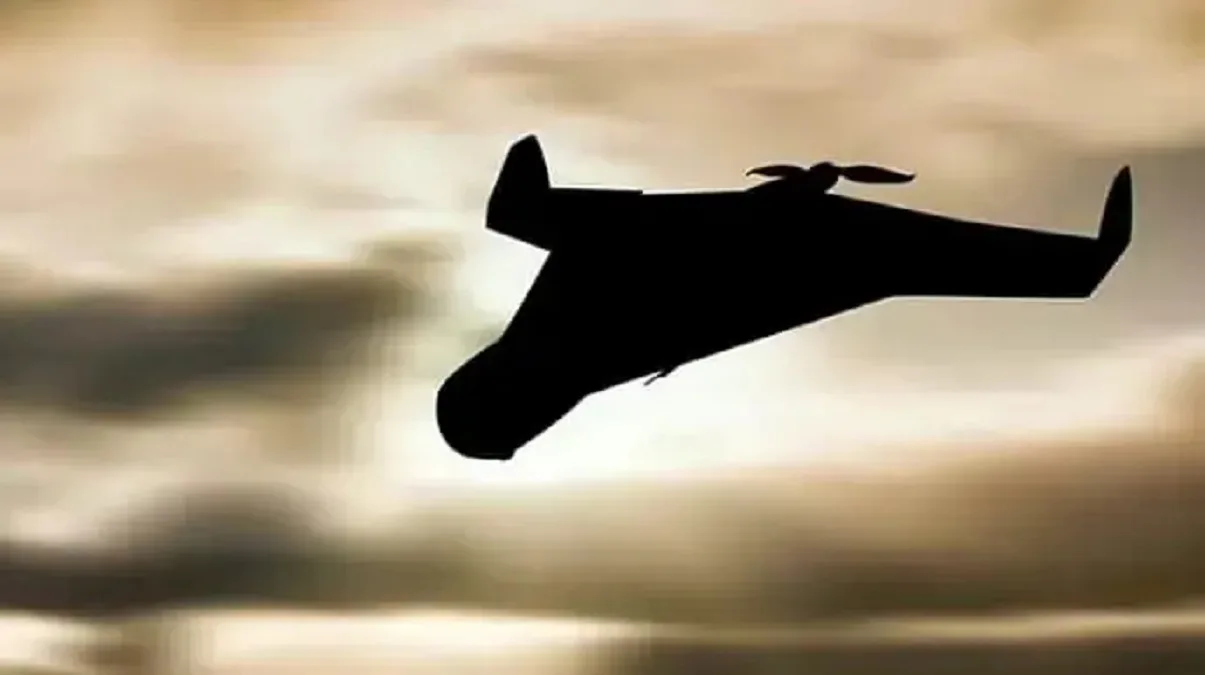
The attack began on the evening of July 1 and continued until morning: the city was first attacked by strike drones, followed by a wave of ballistic and hypersonic missiles. According to Timur Tkachenko, head of the Kyiv City Military Administration, at least 24 ballistic and hypersonic missiles were launched at the capital in approximately 20 minutes. Air raid alerts in Kyiv lasted for hours.
What is known about casualties and destruction
The figures changed throughout the morning: at 6:00 a.m., Tkachenko reported three deaths; at 7:00 a.m., nine deaths; after 8:00 a.m., Interior Minister Ihor Klymenko confirmed 11 deaths and over 30 wounded. According to updated KMVA data, the number of casualties reached 56 people, including two children, with some missing.
"The enemy is once again deliberately striking residential neighborhoods and killing civilians. We have very serious destruction and a significant number of victims, including children."
— Timur Tkachenko, Head of the Kyiv City Military Administration
Damage was recorded at over 30 locations across seven districts of the capital. The State Emergency Service documented large-scale fires in residential high-rises, private homes, and warehouse facilities. Among the affected objects are residential buildings near the Nyvky metro station in the Shevchenko district.
Tactical context: why ballistics are more dangerous than Shahed
The combined approach — drones distract air defense, then ballistics follow — represents a deliberate overload of the interception system. Ballistic missiles reach their targets in minutes, leaving minimal time for evacuation and reloading launchers. Meanwhile, according to Wikipedia, the attack on the night of July 2-3 set a new record for the number of long-range drones launched by Russia since the full-scale invasion began — the previous record stood for only five days.
- Weapons used: unmanned aerial vehicles (including decoys), cruise missiles, ballistic missiles, hypersonic missiles
- Coverage: seven Kyiv districts, over 30 confirmed strike locations
- Casualties: 11 killed, 56 injured (as of 8:15 a.m. on July 2), with some missing — figures may increase as rubble is cleared
- Rescue operations: extraction of people from rubble was ongoing at multiple sites simultaneously
If Russia maintains this frequency of record strikes — the next record for drone quantity after July 2 was registered on July 8-9 — the question is not whether Kyiv's air defense can withstand a single night, but whether it has the resources to endure exhaustion through a prolonged series of attacks.