What happened
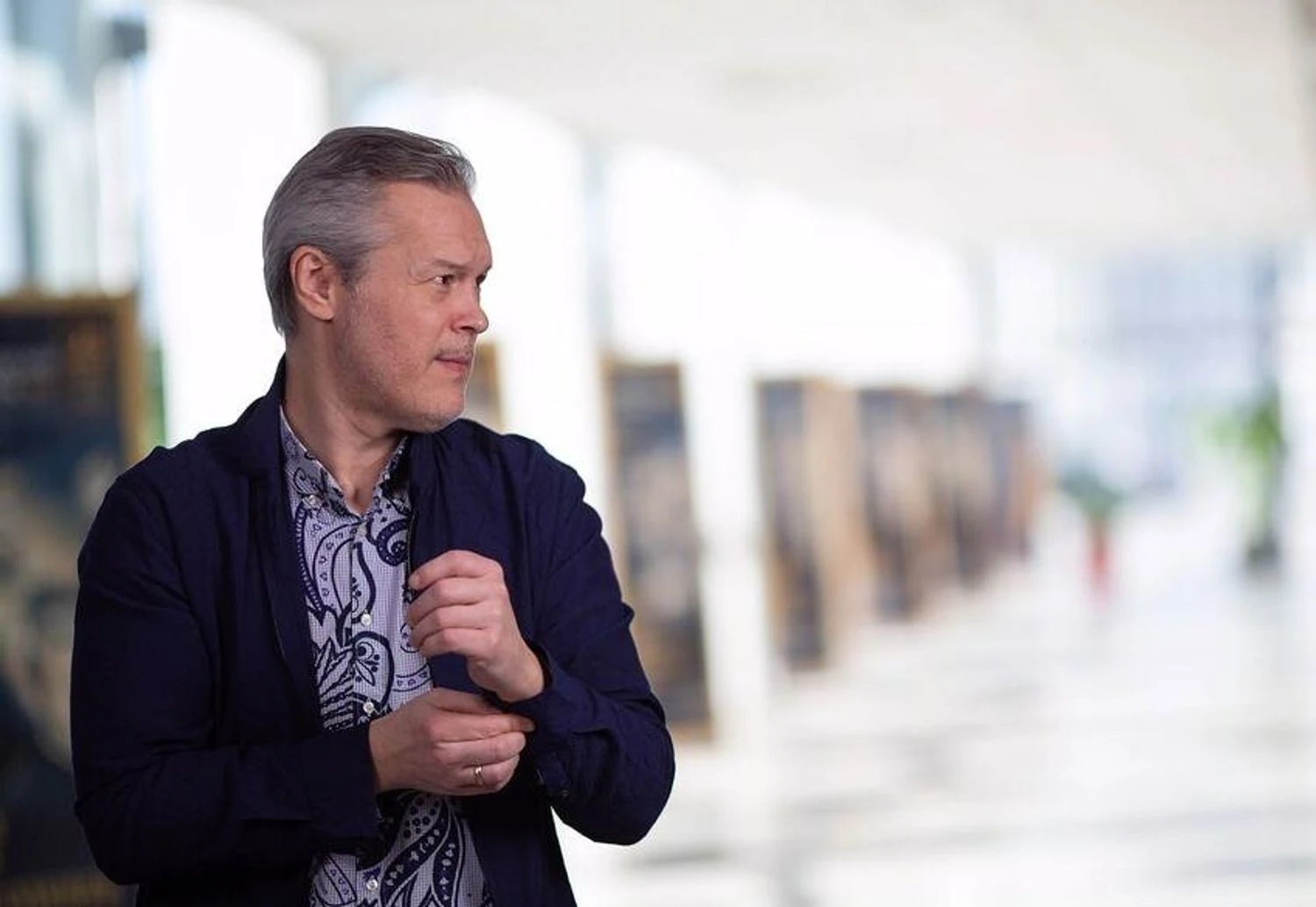
The Mannheim Philharmonic cancelled the performance by violinist Vadim Repin, who was to play Sergei Prokofiev’s Second Violin Concerto on 22 February. The cancellation was confirmed by BackstageClassical and reports from UNN.
Why it matters
The event takes place directly before the fourth anniversary of Russia’s large-scale invasion of Ukraine — and therefore has both symbolic and practical significance. For the Ukrainian community in Germany, performances by artists with close ties to Russian state projects are not neutral. This is seen as a matter of security and civic stance by part of the host community, not as an emotional reaction.
Position of the Ukrainian embassy and arguments
The Embassy of Ukraine in Germany sent an official letter to the Mannheim city administration and the concert organizers, pointing to Repin’s participation in state-funded cultural projects in Russia and to his awards and support after 2022. The performer is associated in the media with Russian state structures: in 2022 he was awarded the title “People’s Artist of the Russian Federation”, and is also known for performances at official concerts.
Mannheim’s position
"A few days ago we received a letter from the Embassy of Ukraine in Germany asking to cancel the Mannheim Philharmonic's concert featuring Vadim Repin. In that letter the concerns of the Ukrainian community in Germany were set out clearly and understandably. Since the Mannheim Philharmonic has for many years actively supported Ukrainians affected by the war, we took this request with the utmost seriousness and respect. After careful internal discussion we unanimously decided to accede to the wishes of our Ukrainian compatriots and cancel the concert. It was important for us to take into account the perspective of the Ukrainian community after this direct request."
— Mannheim Philharmonic, official statement (quoted by BackstageClassical)
International context
This decision is not isolated: sensitivity among European cultural institutions to artists’ ties with the Kremlin is growing. For example, the Teatro del Maggio Musicale in Florence cancelled performances by Russian ballerina Svetlana Zakharova and her husband — a move also reported by the media. European theatres and philharmonics are now balancing artistic programme autonomy with responsibility toward communities affected by the consequences of war.
What next?
This incident has become a litmus test: cultural institutions are expected not to issue declarations but to take measured decisions that consider the humanitarian and political context. For Ukraine, such cases are not only a question of reputation but part of a broader strategy to sustain international solidarity. The task for partners now is to turn sensitivity into systemic rules that will help avoid ambiguities in the future.
Sources: BackstageClassical, UNN, official statement of the Mannheim Philharmonic.







