In brief
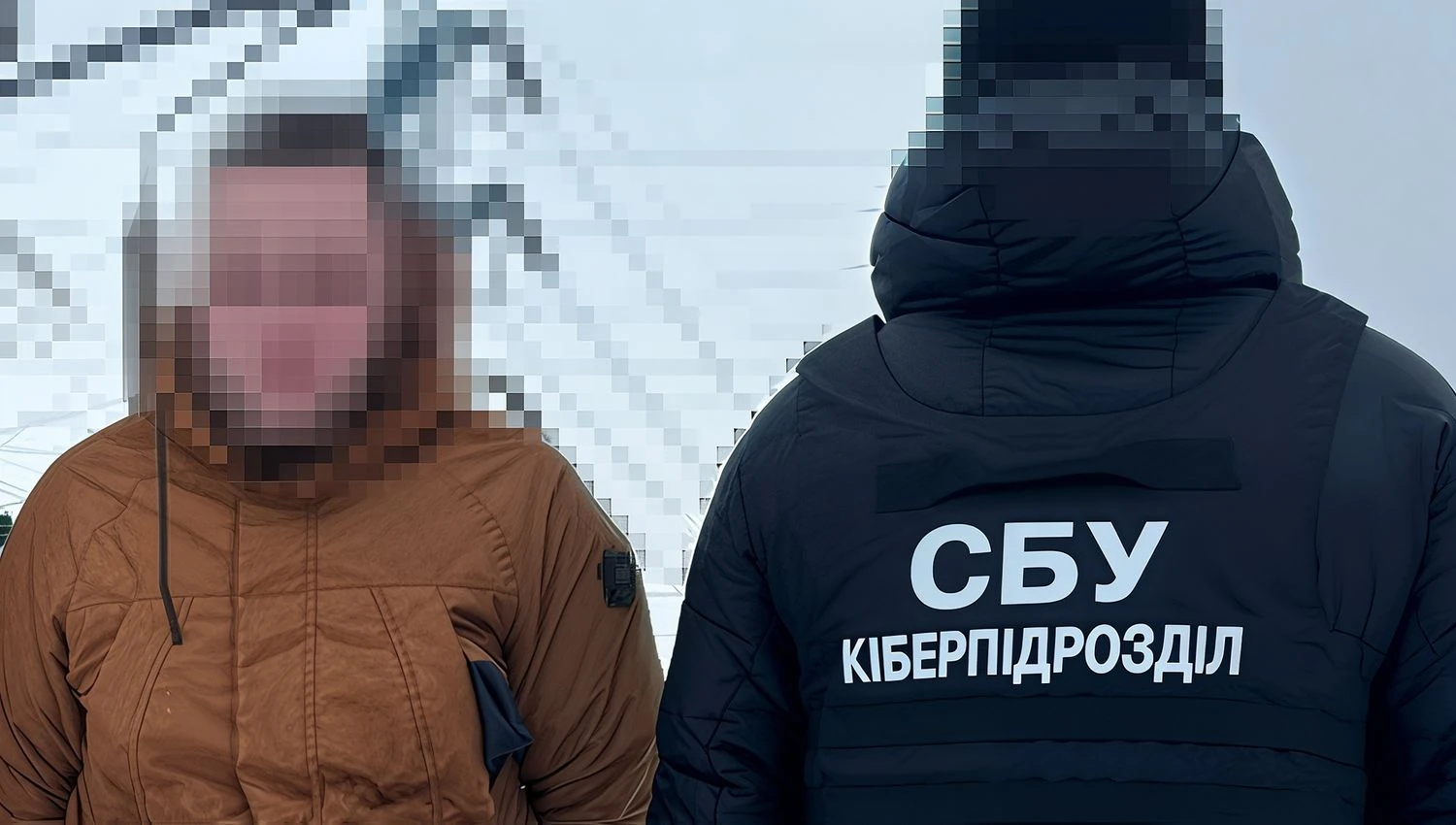
The Security Service of Ukraine detained an agent of Russian military intelligence in the Kyiv region who, on the orders of his handlers, was preparing new missile strikes on thermal power plants (TPPs) in the capital region. The operation took place during on‑site reconnaissance near one of the energy facilities — the detainee had a smartphone seized containing photographic evidence and messages.
Case details
According to the investigation, the suspect is a 26‑year‑old resident of the Fastiv district who had previously served a sentence for the murder of a minor. He came to the attention of Russian intelligence services through Telegram channels promising "easy money" and agreed, for the promise of a quick reward, to carry out tasks adjusting strikes on energy infrastructure.
According to law enforcement, the perpetrator was to covertly circle the perimeter of one of the TPPs, document the technical condition after a prior strike, and in real time transmit photos and assessments of the equipment’s condition to his handlers. Investigators found an anonymous chat with a Russian handler on his phone and a disappearing‑messages function.
"The detainee was to adjust aerial attacks on energy infrastructure with the aim of causing blackouts and disrupting heat supply to a large part of the region."
— Security Service of Ukraine
Why this matters
Energy infrastructure is a direct target for systematic attacks because hospitals, heating and water supplies, logistics and the city's critical infrastructure depend on it. Reconnaissance of TPPs' condition after prior strikes gave the enemy technical information to precisely plan subsequent missile strikes and, as a result, large‑scale outages.
The arrest made the operational transmission of such data impossible and reduced the risk of planned outages — this is not an emotional victory but a concrete tactical success in preventing damage to critical infrastructure.
Legal framework and consequences for the suspect
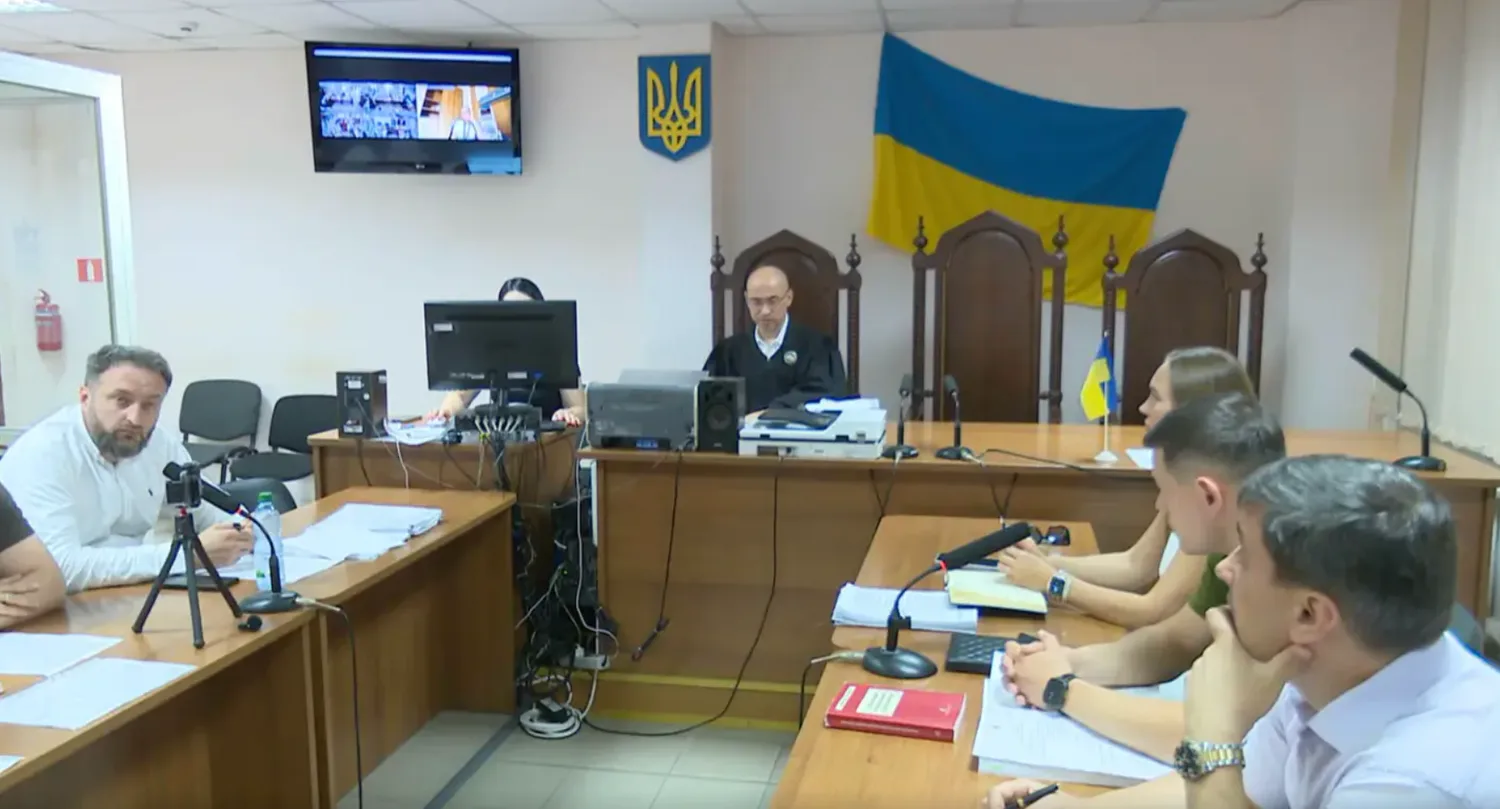
Investigators have charged the suspect under Part 2 of Article 111 of the Criminal Code of Ukraine (state treason committed under martial law). The detainee is being held in custody without the right to post bail; the penalty provides for life imprisonment with confiscation of property.
Context: recruitment methods and related cases
The scheme — recruitment via Telegram channels, promises of quick rewards, and the use of anonymous chats with disappearing messages — corresponds to established methods used by Russian intelligence services to recruit vulnerable people. This is a signal to security services and telecom operators: open communication platforms continue to serve as recruitment channels for sabotage.
In the context of the investigation, the SBU and the National Police also reported another incident: on February 16 in Odesa a car was blown up and its owner wounded — in that case the alleged perpetrator, a 33‑year‑old resident of Odesa, had also been recruited via Telegram and received instructions from a Russian handler.
What’s next
Next steps include court proceedings and work by special services to sever recruitment channels and strengthen protection of the energy system. For citizens the important message is clear: advertised "easy money" in messaging apps can be a trap that leads to serious criminal consequences and endangers the lives of hundreds of people.
An open question remains: are current measures sufficient to systematically neutralize such recruitment networks, and what can be done today to reduce the risk of similar attempts recurring?