By spring 2022, one enterprise — the state-owned "Artemsil" in Soledar — covered approximately 90% of Ukraine's salt needs and was considered the largest producer in Eastern Europe. After the city became the epicenter of military operations and the plant shut down, salt imports to Ukraine increased five-fold, while prices rose 8–9 times. Sea salt from Egypt and Turkey filled the shelves, but not all needs: it was not always suitable for preservation, and Ukrainians felt this in their daily lives.
Four years later, Chornomorsk, a port city near Odesa, provides the first systemic response to this gap. From mid-May 2026, the Chornomorsk Salt Plant began operating at full capacity — after several months of delays due to anomalous frosts, power outages, and problems with Turkish contractors.
"From mid-May, we started producing at the main line: food salt of various fractions, as well as in different packaging — bags of 25 kg, big bags, and the product can also go in bulk. It can be said that all the plant's capacities are now up and running."
Vitaliy Rudenko, CEO of Chornomorsk Salt Plant, for RBC-Ukraine
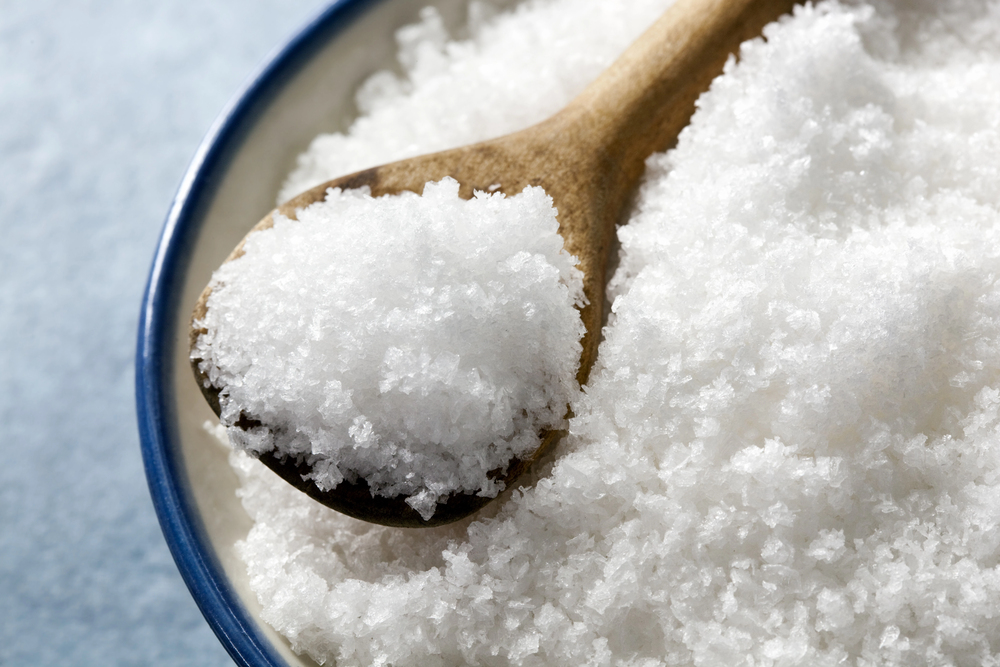
The plant is the first in Ukraine to process imported raw materials (mainly from Turkey and Egypt) into finished food salt on site. The technologies were developed together with specialists from the former "Artemsol" and Turkish company Salt Plus: several stages of deep purification, grinding, and a unique drying method. Capacity — 15,000 tons per month — theoretically covers about half of the domestic demand for food salt.
Import as raw material — temporarily
An important detail: now the plant processes imported salt rather than extracting its own. That means dependence on foreign suppliers remains — only the form changes: instead of finished products imported from abroad, raw materials are transported. This reduces costs for the end consumer but does not eliminate the risk of supply chain disruptions.
The strategic plan is different. The plant is located near the Kuyalnik Lagoon, where salinity has reached critical levels — threatening healing mud and the entire ecosystem. According to the plan, the enterprise will extract salt directly from the lagoon using basin precipitation method — the same way it's done in the USA, Spain, and Turkey. This approach reduces salinity while simultaneously providing raw materials without imports. According to estimates, Kuyalnik is capable of producing up to 200,000 tons of salt per year — which would cover the entire food segment of the country.
- Investment in the project — $2.8 million through the state program "5-7-9%"
- Construction started in 2024, launch was planned for January 2026 — the delay was 4–5 months
- The plant has already created about 50 jobs
- The Tereblianske deposit in Transcarpathia — the second player in recovery — resumed extraction after a corporate conflict and supplies technical salt
According to customs service data, in the first half of 2025, salt imports to Ukraine fell by almost 46% — but not because domestic production appeared, but due to declining consumption and expectations for domestic products. The price over these years has increased by 24%: from 29 to 36 hrn/kg and is unlikely to return to pre-war levels in the near future.
A real test for the Chornomorsk Salt Plant will come when the enterprise transitions from processing imported raw materials to its own extraction from Kuyalnik — if that happens, the structure of dependence will change fundamentally. If not, Ukraine will have a new processing link, but the same dependence on Turkish and Egyptian raw material suppliers.







