In May 2026, Ukraine registered 2,652 electric vehicles — 12% less than in April and 57% less than in May 2025. Data from the Ukravtoprom association shows that no month in 2026 has yet reached last year's figures.
The reason is not demand itself — it lies in a single line of the budget. Since January 1, 2026, a 20% VAT has been reintroduced on electric vehicles, which had been waived since 2018. The 2026 state budget law simply did not contain a provision to extend the benefit — parliament supported it, but the government rejected it. As a result, the customs clearance of an electric car became more expensive by approximately 20% of the vehicle's total cost.
"Demand for electric vehicles in Ukraine is lower than in 2025, which is due to the cancellation of benefits during customs clearance"
Ukravtoprom, May 2026
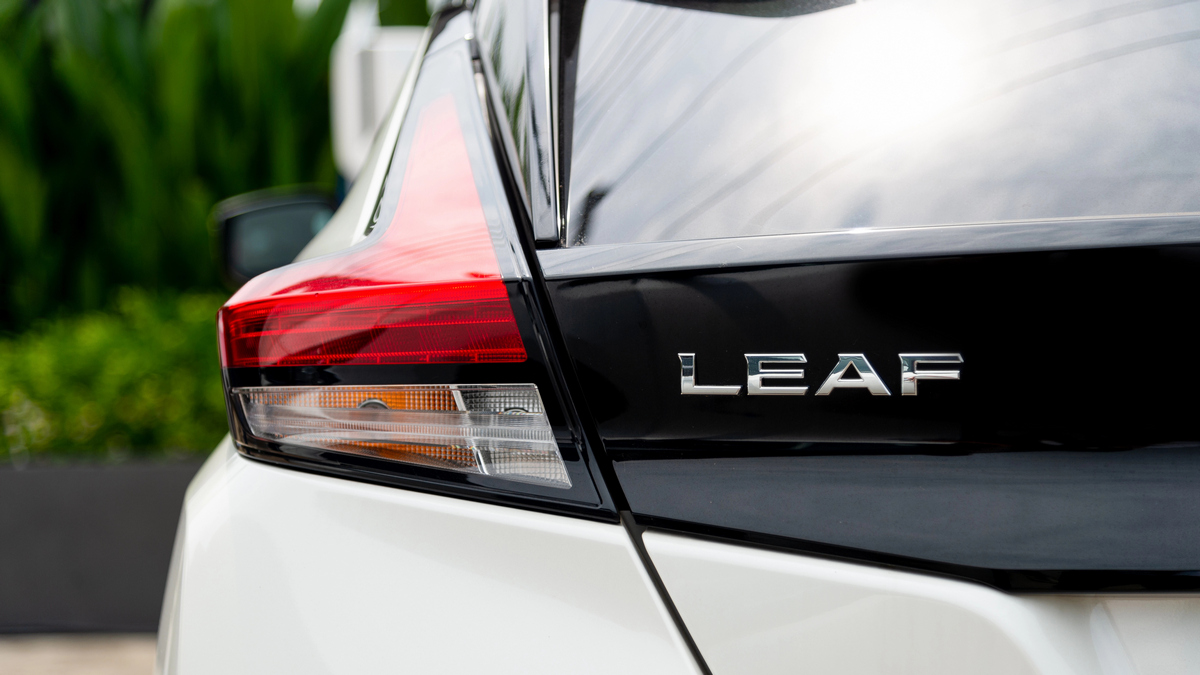
Over four months of 2026, 8,500 new and used electric vehicles were registered — mostly Chinese novelties and used Tesla and Nissan models. Among new vehicles, BYD dominates: the Leopard 3 model tops the rating with 312 units. In other words, the market has not disappeared — it has redirected toward cheaper new Chinese cars and used imports, where the VAT impact is less noticeable.
Eight years of incentives — and a sharp stop
The preferential importation of electric vehicles without VAT worked from 2018 and became the main driver of market development. During this time, Ukraine joined the list of countries with the highest share of electric cars among new registrations in the region. The cancellation of the benefit ended this cycle without any transitional program or compensation mechanism — purchase subsidies, reduced excise tax, or preferential loans, as implemented in most EU countries.
Meanwhile, the cost of gasoline and diesel continues to rise, which theoretically should push buyers toward electric transport. In practice, it has only slowed the decline so far rather than reversing it.
What's next
The market is now sustained by two segments: affordable new Chinese models (where the post-VAT price is still competitive) and used imports from Europe, where the base cost is lower. The premium and mid-range segments are in deep decline.
- May 2026: 2,652 BEV — –12% vs. April, –57% vs. May 2025
- January–April 2026: 8,500 BEV total (new + used)
- New electric cars in 4 months: 1,859 units
- New sales leader: BYD Leopard 3 — 312 units
If by late summer the Verkhovna Rada does not restore at least partial benefits or does not introduce an alternative incentive — such as reduced excise tax for electric vehicles up to a certain cost — the annual market risks closing 2026 with results twice lower than 2025. There is a precedent: the market looked exactly like this before 2018, when benefits did not yet exist.