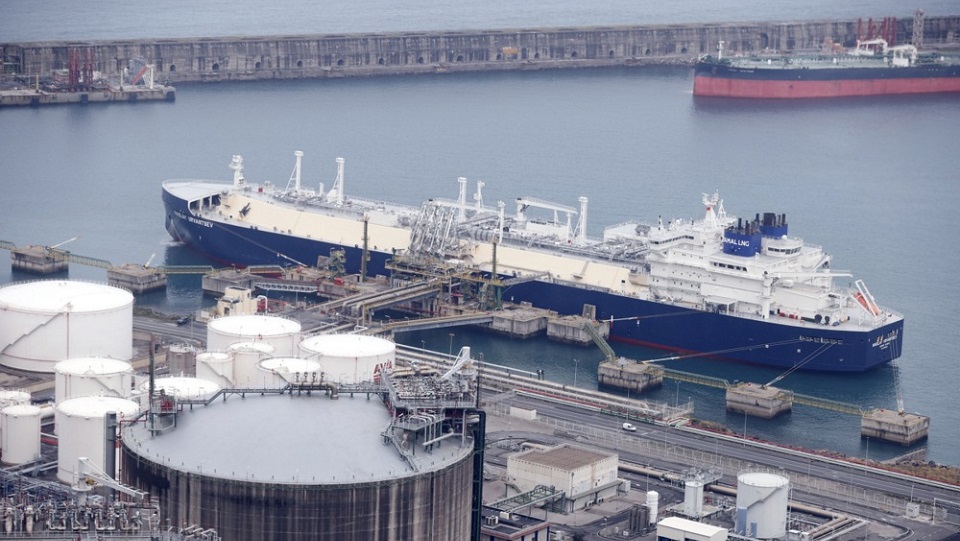
Of 270 shipments from Sabetta in 2025, 206 voyages—76%—were headed to Europe. The remaining 24% went to Asia. These figures from a March report by Norway's Centre for High North Logistics (CHNL) demonstrate that despite Moscow's loud declarations about a "pivot to the East," Yamal LNG remains critically dependent on buyers whom Russia officially considers enemies.
From January 1, 2027, the EU Council will completely ban imports of Russian LNG. Pipeline gas has been under embargo since autumn of that year. The transition period is limited, and a verification mechanism for gas country of origin is built into the regulation: violations threaten fines of €40 million or 3.5% of the company's annual global turnover.
Fleet Arithmetic That Doesn't Add Up
Yamal LNG's operational fleet consists of 14 Arc7 icebreaking tankers, 6 Arc4 vessels, and 5 ships without ice class. In summer, a voyage to Asia via the Northern Sea Route takes approximately 40 days. In winter, the NSR is inaccessible to Arc4 and conventional tankers, forcing vessels to sail through the Suez Canal or around Cape of Good Hope—a route that is twice as long.
Eikland Energy analyst Erik Eikland calculated that to maintain current export volumes of 18 million tons per year and redirect them to Asia from 2027, Novatek would need between 25 to 35 additional tankers just for the winter season. Even reorienting 30% of spot contracts this year requires at least ten additional vessels.
"The logistics problem will hit the project starting in 2027—unless an energy crisis in the Persian Gulf forces Europe to change course."
Maritime Executive, paraphrasing CHNL report conclusions
Why the Fleet Cannot Simply Be Expanded
Arc7 vessels are specialized ice-class ships that take years to build and can only be constructed at shipyards with appropriate expertise. Following sanctions, Novatek's access to South Korean and Japanese shipbuilders is effectively closed. The fifteenth Arc7—Christophe de Margerie—has already been redirected to Arctic LNG 2, where the situation is even worse: of the ten tankers deployed there, only one has a high ice class.
Alternatives—expanding transshipment capacity near Kildin Island and in Murmansk—partially compensate for the problem but do not solve it systemically: transshipment adds time and costs to each voyage.
What This Means for the Market
Analysts from the Oxford Institute for Energy Studies note that the price increase from eliminating Russian gas will be "relatively modest" and will primarily affect Central European countries. Meanwhile, several analysts forecast an LNG supply surplus on the global market after 2027—meaning Europe will likely find alternative volumes without a significant deficit.
For Russia, the picture is different: loss of 76% of the sales market without infrastructure for reorientation is not merely a logistics challenge but a structural problem for budget revenues, where energy exports remain a key item.
If by the end of 2026 Novatek does not sign long-term freight agreements with Asian carriers or arrange transshipment hubs outside the sanctions perimeter, a reduction in actual exports after January 2027 will become not a forecast but an accounting fact.







