When Iran closed the Strait of Hormuz, analysts began discussing the worst-case scenario for European aviation. The IEA warned that Europe's jet fuel reserves would last approximately six weeks. Instead, a few weeks later, EU Transport Commissioner Apostolos Tsitsikostas told Reuters that the European Union had managed to avoid a shortage thanks to a sharp increase in supplies from the United States and Nigeria.
How the gap was filled
The Middle East previously provided a significant portion of jet fuel imports to the EU through the Strait of Hormuz. After its closure, European logistics broke down: major Asian countries introduced export restrictions, and Europe was left with two working options — the United States and Nigeria. Both worked out. According to Reuters, citing data from analytics company Kpler, new supplies are already reaching Europe.
Tsitsikostas clarified: "As of today, there are no signs of mass flight cancellations" — while at the same time acknowledging that the market remains "tight." The EU is considering using emergency strategic reserves if the situation worsens.
The price of "no shortage"
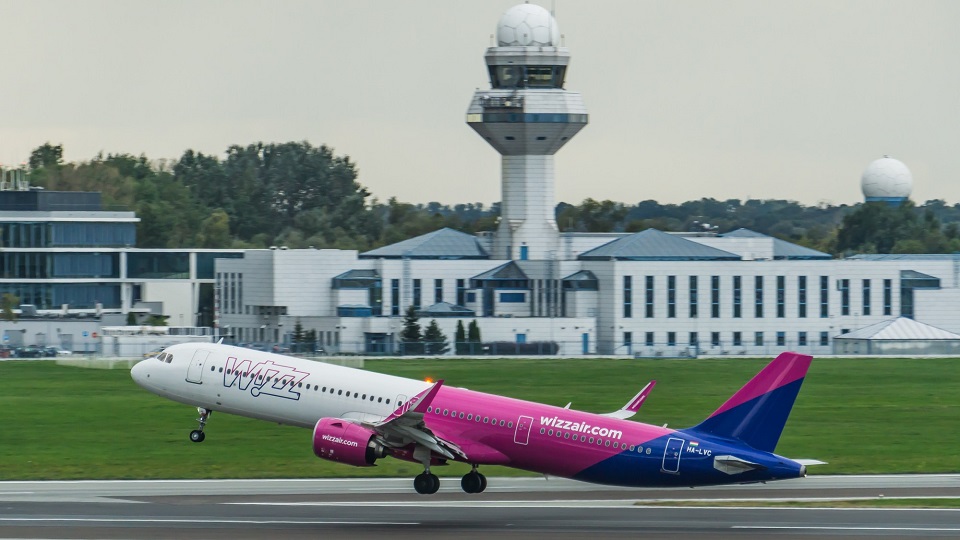
Formally, there is no shortage. But the price of jet fuel has already changed carrier behavior. Lufthansa Group cancelled over 20,000 flights through October — primarily unprofitable short-haul routes. According to the company's calculations, this will save over 40,000 metric tons of fuel. SAS cancelled 1,000 flights back in April. Ryanair and Wizz Air are also preparing capacity reductions for summer.
For passengers, this means not empty fuel shelves, but vanished routes and ticket surcharges. Spanish budget carrier Volotea has already added a fuel surcharge even to already purchased tickets.
"Whatever happens next in the Persian Gulf — some of these disruptions in global energy prices will remain forever."
Corneel Koster, Chief Executive of Virgin Atlantic, Financial Times
What the numbers show
Goldman Sachs in a recent analytical report calculated: in June 2026, jet fuel reserves in Europe could fall below the IEA critical threshold — 23 days of coverage. This does not mean fuel will run out in 23 days: supplies continue. But below this mark, regulators start talking about rationing. According to Goldman's forecast, in July reserves could drop to a 20-day minimum, in August — to 15 days. "The United Kingdom faces the greatest risk of fuel rationing, given the scale of its net imports," the report states.
- Global jet fuel exports fell 30% in April — to 1.3 million barrels per day versus 1.9 million a year ago.
- The volume of fuel on tankers fell 50% week-on-week compared to the same week in 2025.
- The aviation industry generates €851 billion in GDP for the EU economy and supports 14 million jobs.
IEA Director Fatih Birol called this the "greatest threat to energy security in history" on CNBC. The European Commission in response emphasizes that the situation is "under control" and that the emergency reserves mechanism is ready for activation.
The question is not whether there is fuel now — there is. The question is whether American and Nigerian supplies will maintain the pace through the end of August, if the Strait of Hormuz remains closed and Goldman Sachs proves right about the trajectory of reserves.







