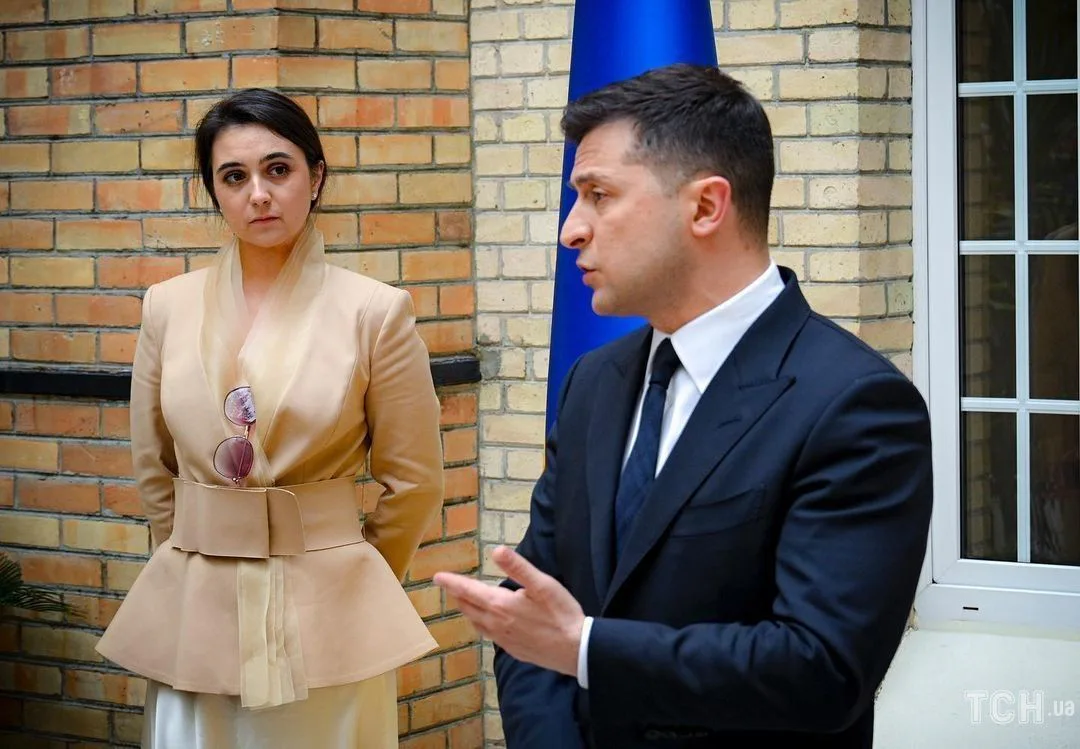
Prime Minister Sergii Koretskyi acknowledged what experts had been saying a year ago: no air defense system is capable of protecting every transformer and every substation in the country. At the Yalta European Strategy forum, he formulated this directly, without diplomatic reservations.
"It is impossible to protect everything fully, that is clear. However, we are substantially more prepared for these attacks than last winter," Koretskyi said.
The key word here is not "protection," but "preparedness." The logic has shifted from attempting to stop every missile to the question of what happens in a specific house five minutes after impact. This is why the term "decentralized life support systems" appears in the prime minister's speech — essentially, betting that each region, city, and even individual hospital can survive autonomously while repair crews restore the networks.
What Changed in a Year
Last winter was the most severe since the full-scale war began: temperatures dropping to -25°C coincided with massive strikes on energy facilities. In the fall of 2025, power outages returned after a summer break — Russia synchronized its attacks again with temperature drops. This is not a coincidence but a repeated tactic, and according to Koretskyi, conclusions have been drawn from it.
The readiness figures as of August 1 look like this:
- nearly 60% of residential buildings prepared for winter;
- over 62% of social infrastructure facilities;
- more than 60% of boiler houses.
Every second building and every third boiler house are still not ready as of early August. This is not cause for panic, but context: preparation is happening in parallel with attacks, not before them.
The Cost of Resilience
Resilience plans for all regions, except Kyiv, were approved by the National Security and Defense Council back on March 3; the capital had to be "worked through" with a separate vote by Kyiv City Council. Former Prime Minister Yulia Svyrydenko announced the cost of these plans across the country — approximately 278 billion hryvnias. This sum is comparable to the annual defense budget of an average European country, and it is being spent not on tanks, but on generators, autonomous boiler houses, and backup water sources.
The practical question for every Ukrainian this winter is not "will there be electricity," but "how long will it take to restore my substation after it is hit" — and it is on reducing this time, not on absolute protection, that state strategy now focuses.