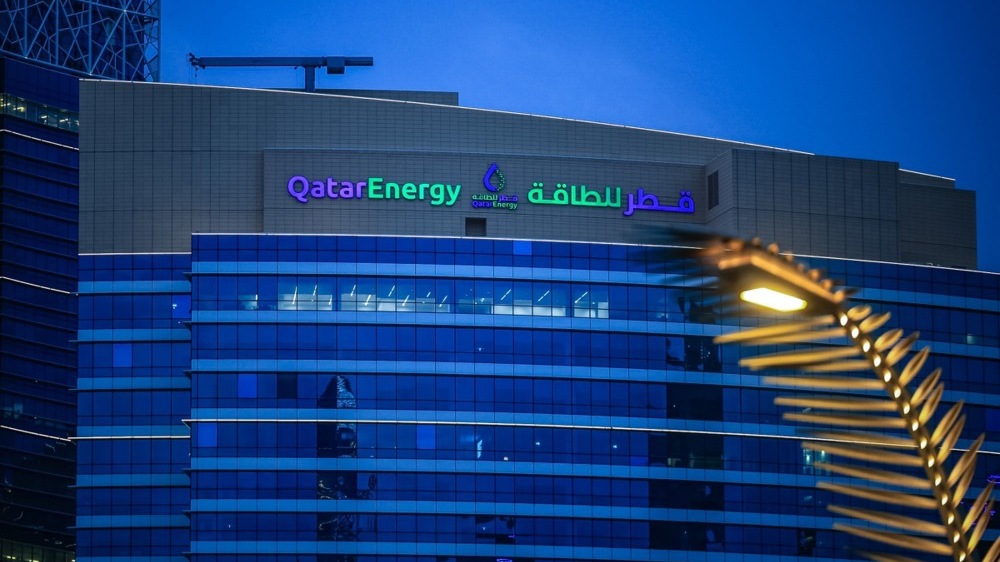
At least nine LNG tankers anchored near the Ras Laffan port disappeared from maritime tracking radars on May 11. According to Bloomberg, Qatar instructed vessels in the waters of its main export terminal to disable automatic identification systems (AIS) — transponders that broadcast position, course, and cargo in real time.
The official reason is security. But context matters more than wording.
Port Under Attack
Ras Laffan is not just a terminal. It is the world's largest LNG hub, which before the conflict began supplied approximately 20% of global liquefied gas trade. As Al Jazeera reports, in March 2026, following Iranian airstrikes on Ras Laffan and Messaieed, QatarEnergy announced a complete shutdown of LNG production. European gas futures surged by nearly 50%, Asian futures by 39%.
"The threat to supply security is here and now."
Simone Tagliapietra, energy analyst, Bloomberg
According to gCaptain, following the strike on Ras Laffan, the Strait of Hormuz effectively stopped for LNG traffic: departing tankers were returning due to security threats. Recovery is occurring gradually — Reuters recorded only the second Qatari LNG shipment through Hormuz on May 11, and only thanks to agreements with Iran and Pakistan.
What "Disabled Transponder" Means
AIS signal is the foundation of civil maritime control. It allows coast guards, insurers, and markets to see in real time where a vessel is located, what it is carrying, and where it is heading. When the transponder is disabled, the vessel becomes "dark" — technically invisible to civilian tracking systems.
- Legitimate reason: protection against missile or drone guidance, which may use AIS signal as a reference point.
- Side effect: markets lose information about the actual state of the fleet and volumes of gas ready for shipment.
- Precedent: according to analysts, following the outbreak of the conflict, the number of vessels transmitting AIS signals in the Persian Gulf fell from 1065 to 261 in 14 days.
Scale of Vulnerability
As noted by the IEA, 93% of Qatari LNG is transported through the Strait of Hormuz. There is no alternative route. According to Oxford Economics' assessment, Qatar's GDP faced a sharp downward revision of forecasts, and the expansion of the North Field — from plans to increase capacity from 77 to 142 million tons per year by 2030 — now faces a review of timelines and security assumptions.
For Europe, which receives 12 to 14% of LNG from Qatar, the "dark fleet" at Ras Laffan is not a technical measure, but an indicator: how many vessels are actually ready for shipment and when full traffic will resume — for now, nobody outside the direct participants knows.
If Qatar continues to conduct negotiations on individual shipments through Hormuz in a "each vessel — separate agreement" format, there is one question: will radio silence become a permanent norm for the entire fleet — and then the LNG market will lose one of its key tools for assessing real supplies.







